




Rats are smart little survival machines. They sniff, nibble, squeeze, and explore. If your home offers snacks, water, warmth, and hiding spots, they may think it is a five-star rat hotel. The good news is simple. Rats do hate certain smells and conditions. But smells alone are not magic. The best plan is to make your place smell bad to rats and live bad for rats.
TLDR: Rats dislike strong smells like peppermint, vinegar, citrus, garlic, chili, and some predator scents. They also hate clean, open, dry spaces with no food, no water, and no easy hiding places. Smells can help, but they work best with sealing holes and removing food. Think of it as making your home “boring and annoying” for rats.
Why Smells Matter to Rats
Rats have powerful noses. Their world is built around scent. They use smell to find food. They use it to follow paths. They use it to know where other rats have been.
So, strong smells can confuse them. Some smells may make an area seem unsafe. Others may cover the food odors they want to follow.
But there is a catch. Rats are brave when hungry. A bad smell may bother them, but it may not stop them if there is a pizza crust waiting nearby. So use smells as one part of a bigger plan.
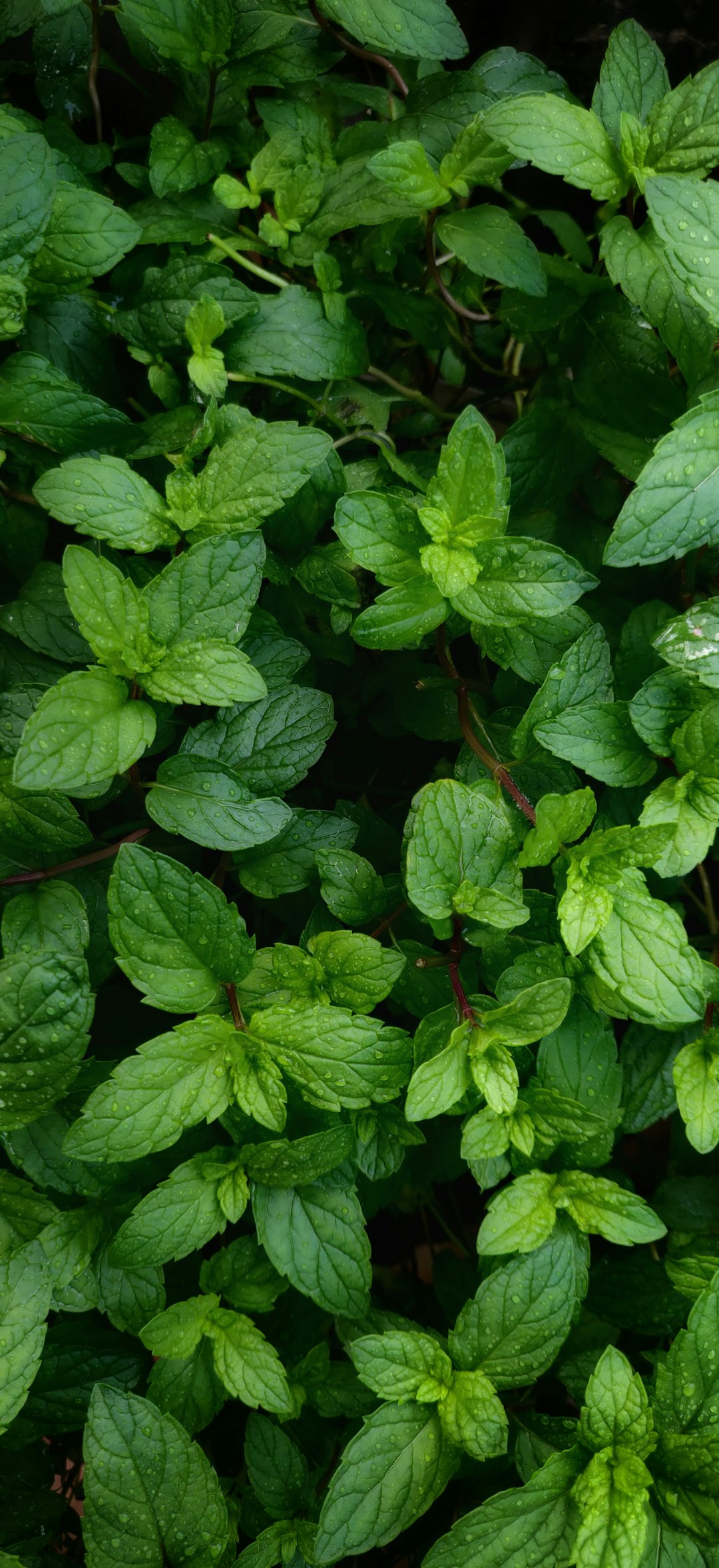
Smells Rats Tend to Hate
Here are some smells that many people use to make rats feel unwelcome.
- Peppermint oil: This is the famous one. It smells fresh to us, but very sharp to rats. Put a few drops on cotton balls and place them near entry points. Refresh every few days.
- Eucalyptus oil: Another strong, minty scent. Rats may avoid it because it is intense and nose-pinching.
- Citronella: Often used for mosquitoes, but rats may dislike it too. It has a sharp lemony smell.
- Vinegar: White vinegar has a sour bite. Wipe it along baseboards, under sinks, and near trash areas.
- Citrus peels: Lemon, orange, and grapefruit peels can smell unpleasant to rats. They are best for small indoor spots. Replace them before they get moldy.
- Garlic and onion: These strong food smells may annoy rats. But be careful. They can also stink up your house.
- Chili or cayenne pepper: Spicy smells can bother sensitive noses. Sprinkle lightly in dry areas where pets and kids cannot reach.
Important: Essential oils can be unsafe for cats, dogs, birds, and small pets. They can also bother babies or people with asthma. Use small amounts. Keep them out of reach. When in doubt, skip them.
What About Ammonia?
Ammonia has a strong smell. Some people use it because it may remind rats of predator urine. That sounds clever. But it can also be harsh and unhealthy.
If you use ammonia, be very careful. Use only a small amount. Keep the area ventilated. Never mix it with bleach. That can create dangerous gas. Honestly, for most homes, safer smells like peppermint or vinegar are better choices.
Do Rats Hate Predator Smells?
Yes, sometimes. Rats may dislike the smell of cats, dogs, snakes, owls, or ferrets. In nature, those smells can mean danger.
But do not sprinkle used cat litter around your home. That can spread germs and smell awful. It may also attract other pests. A cleaner option is to let a cat or dog spend time near problem areas, if it is safe. Still, pets are not a full rat control plan.
Rats can learn. If they smell a cat but never see one, they may stop caring. Rats are tiny scientists with whiskers.
Conditions Rats Hate Most
Now for the big stuff. Rats dislike bad smells, but they really hate places where they cannot live well. Make your home a rotten deal for rats.
- No food: Store dry goods in sealed containers. Clean crumbs. Do not leave pet food out overnight.
- No water: Fix leaks. Empty plant saucers. Do not leave water bowls outside at night.
- No hiding places: Remove clutter. Stack boxes neatly. Keep storage areas open and easy to inspect.
- No easy entry: Seal holes. Rats can squeeze through gaps about the size of a quarter. That is rude, but true.
- No quiet nesting spots: Move stored fabric, paper, and insulation away from walls. Rats love soft nesting material.
- No trash buffet: Use bins with tight lids. Wash sticky spills from the bin and floor.
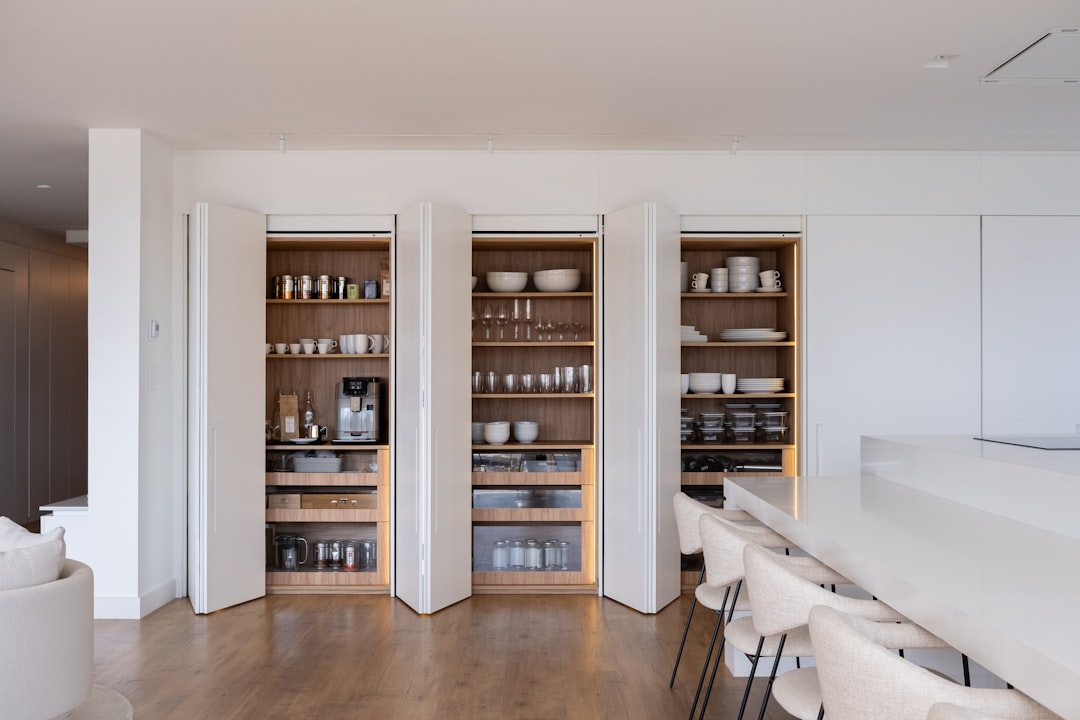
Rats Hate Bright, Open Spaces
Rats prefer edges. They like to run along walls, fences, pipes, and dark corners. Open spaces make them feel exposed. Bright light can also make them nervous.
So, trim plants away from walls. Keep grass short. Move firewood and junk piles away from the house. Add lighting near dark entry areas. This does not make rats vanish. It makes travel riskier for them.
Rats Hate Change
Rats are cautious. They notice new objects. This is called neophobia, which means fear of new things. Fancy word. Simple idea.
You can use this. Move objects around in storage areas. Clean often. Inspect corners. If rats feel that a place keeps changing, they may be less comfortable settling in.
But do not rely on this alone. A nervous rat is still a rat. A hungry nervous rat is a problem with feet.
What Smells Do Rats Ignore?
Rats are not silly. If a smell is weak, old, or only in one spot, they may ignore it. A peppermint cotton ball from three weeks ago is just sad mint dust.
Also, rats may walk around a smelly area. If there is an open hole nearby, they can use a different path. That is why sealing gaps matters so much.
Ultrasonic devices are also mixed. Some people say they help. Others see no change. Rats can get used to sounds. Sound should not be your main plan.
How to Use Smells the Smart Way
Here is a simple plan that works better than sprinkling random smells everywhere.
- Find clues: Look for droppings, grease marks, chewing, and scratching sounds.
- Clean first: Remove food smells. Wash surfaces. Take out trash.
- Seal holes: Use steel wool, metal mesh, caulk, or hardware cloth. Rats chew soft materials.
- Add scents: Place peppermint, vinegar, or citrus near possible routes.
- Refresh often: Strong smells fade fast. Replace or reapply every few days.
- Keep checking: If signs continue, call a pest professional.
Smells to Avoid
Some “rat repellent” ideas can be risky. Avoid mothballs. They contain chemicals that can harm people and pets. Do not use random poisons inside walls. A rat may die in a hidden space, and then you get a brand-new problem: mystery stink.
Do not use bleach mixed with anything. Do not spray essential oils heavily indoors. More smell does not mean more safety. It can mean headaches.
The Best Rat-Hating Combo
The best way to make rats hate your home is not one smell. It is a combo.
- Clean food areas.
- Seal every gap.
- Remove water.
- Clear clutter.
- Use strong scents as backup.
Think like a rat. Ask, “Can I eat here? Can I drink here? Can I hide here? Can I sneak in here?” If the answer is no, no, no, and no, the rat will not be impressed. And that is exactly what you want.
Rats hate sharp smells, bright open areas, dry clean spaces, and homes with no snacks. Make your place boring. Make it difficult. Make it smell a little too minty. Then rats are more likely to pack their tiny imaginary suitcases and move on.