



For a small team, search engine optimization is not about doing everything at once. It is about choosing the right priorities, building repeatable processes, and making every hour count. Organic traffic can become a reliable growth channel, but only when SEO work is focused, measured, and connected to real business outcomes.
TLDR: Small teams should focus on high-impact SEO activities: technical health, search intent, useful content, and consistent optimization. Instead of chasing every keyword, prioritize topics that match customer needs and can realistically rank. Build a simple workflow, measure what matters, and improve existing pages before creating endless new content. Sustainable organic growth comes from discipline, not volume.
Start With Clear SEO Priorities
Small teams often struggle because SEO feels endless. There are audits, keywords, backlinks, content calendars, analytics, page speed issues, and algorithm updates. The solution is not to work harder on everything; it is to decide what matters most right now.
Begin by identifying the pages and topics that can directly support business goals. For example, an ecommerce team may prioritize category pages, product guides, and comparison content. A software company may focus on solution pages, integration pages, and educational articles that address buying questions. A local service business may focus on service pages, location pages, and trust-building content.
A practical small-team SEO priority list should include:
- Fixing technical issues that prevent search engines from crawling, indexing, or understanding important pages.
- Improving existing pages that already receive impressions but have weak rankings or low click-through rates.
- Creating content for topics with clear search intent and business relevance.
- Building internal links so important pages receive more authority and context.
- Tracking performance with a small set of meaningful metrics.
This approach keeps the team from wasting time on low-value tasks and helps SEO become a practical operating system rather than a vague marketing activity.

Focus on Search Intent Before Search Volume
Keyword volume can be misleading, especially for small teams. A keyword with 20,000 monthly searches may look attractive, but if it is broad, competitive, and poorly aligned with your offer, it may never produce qualified traffic. A keyword with 150 searches per month may be far more valuable if it reflects a specific customer problem.
Search intent describes what a person is trying to accomplish when they search. They may want to learn, compare, buy, troubleshoot, or find a provider. Matching intent is one of the most important SEO skills because search engines reward pages that satisfy the user’s need.
Before creating or optimizing a page, ask:
- What problem is the searcher trying to solve?
- Are they looking for information, a product, a service, or a specific brand?
- What type of page already ranks: guides, product pages, lists, tools, or videos?
- What would make our page more helpful, credible, or actionable than the current results?
For a small team, this prevents wasted production. Instead of publishing generic articles, you create assets that answer real questions and fit the search results people actually see.
Improve Existing Content Before Publishing More
One of the fastest ways to grow organic traffic is to improve pages that already have some visibility. Many websites have content sitting on page two or three of search results, or pages with impressions but a poor click-through rate. These pages are often easier to improve than new pages are to rank.
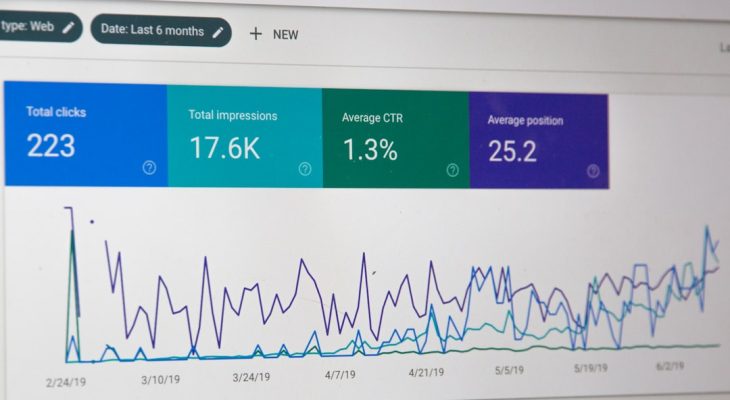
Use Google Search Console to find pages with impressions and average positions between 6 and 30. These are often strong candidates for refreshes. Review the keywords they appear for, compare the page to current top results, and identify gaps.
Effective content improvements include:
- Rewriting titles and meta descriptions to be clearer and more compelling.
- Adding missing sections that better address search intent.
- Updating outdated statistics, examples, product details, or recommendations.
- Improving headings so the page is easier to scan.
- Adding internal links from related pages.
- Strengthening expertise with original insights, process details, or examples.
Refreshing content is not simply changing dates. A serious update should make the page more useful, more accurate, and more competitive. For small teams, this is often the most efficient path to incremental organic growth.
Build a Lean Technical SEO Routine
Technical SEO does not need to be overwhelming, but it does need regular attention. Small problems can quietly reduce performance: broken links, duplicate pages, slow loading templates, indexation errors, missing canonical tags, or poorly structured navigation.
A small team should create a monthly technical SEO checklist. The goal is not to run a massive audit every week, but to catch issues before they become expensive.
Your monthly technical review can include:
- Checking crawl errors and indexing reports.
- Reviewing page speed for key templates.
- Testing mobile usability.
- Finding broken internal links.
- Confirming that important pages are indexable.
- Reviewing redirects after site changes.
- Ensuring XML sitemaps are clean and current.
Technical SEO is especially important when a site is growing. New content, new product pages, and design changes can introduce issues. A lightweight routine protects the site and gives content work a better chance to succeed.
Create Topic Clusters, Not Isolated Articles
Publishing one article at a time without a larger structure can limit results. Search engines and users both benefit when your site clearly demonstrates depth around a subject. Topic clusters help small teams organize content around important themes.
A topic cluster usually includes a main page, often called a pillar page, and several supporting pages that answer related questions. The pages link to one another in a logical way. This structure helps users navigate and helps search engines understand relationships between topics.
For example, a company offering accounting software might create a main page on “small business bookkeeping” and supporting pages about bookkeeping mistakes, monthly close checklists, cash flow reports, invoice tracking, and tax preparation. Each page serves a specific search intent, but together they build authority around a valuable topic.
To choose topic clusters, look for areas where:
- Your team has genuine expertise.
- Your customers ask repeated questions.
- The topic connects naturally to your products or services.
- There are multiple related searches with useful intent.
This approach is more strategic than producing random blog posts. It also makes internal linking easier and strengthens the overall relevance of the site.
Use Internal Links as a Growth Lever
Internal linking is one of the most underused SEO tactics for small teams. It costs nothing, can be done gradually, and helps both users and search engines discover important pages.
When adding internal links, avoid doing it mechanically. Link from relevant pages to related resources using descriptive anchor text. If a blog post discusses a problem that your service page solves, link naturally to that service page. If a guide introduces a concept covered in greater detail elsewhere, link to the deeper resource.
Good internal linking should:
- Help users continue their journey.
- Support business-critical pages.
- Use clear, natural anchor text.
- Connect related pages within a topic cluster.
- Avoid excessive links that dilute attention.
A quarterly internal linking review can produce meaningful gains, especially for pages that are close to ranking on the first page.
Measure a Few Metrics Consistently
Small teams do not need complicated SEO dashboards with dozens of charts. They need a reliable view of whether their work is producing results. The most useful metrics connect visibility, engagement, and business impact.
Track these core SEO metrics:
- Organic clicks: Are more people arriving from search?
- Organic impressions: Is visibility expanding?
- Keyword positions: Are priority pages moving in the right direction?
- Click-through rate: Are titles and descriptions attracting attention?
- Conversions from organic traffic: Is SEO contributing to leads, sales, signups, or inquiries?
- Indexed pages: Are the right pages appearing in search?
Review performance monthly, but judge SEO over quarters. Search results fluctuate, and individual pages may take time to mature. What matters is whether the overall trend is improving and whether the team is learning from the data.

Build a Repeatable SEO Workflow
Consistency matters more than intensity. A small team that completes focused SEO work every week will usually outperform a team that does large, irregular pushes and then stops. Creating a repeatable workflow makes SEO less dependent on emergencies or individual motivation.
A simple weekly workflow might include one technical check, one content refresh, one new content brief, and one internal linking task. Every month, the team can review performance, update priorities, and decide which pages deserve the next round of work.
A lean SEO operating rhythm could look like this:
- Weekly: optimize one existing page and add internal links.
- Biweekly: publish one high-quality piece of content or improve a major landing page.
- Monthly: review Search Console data, technical health, and priority keyword movement.
- Quarterly: evaluate topic clusters, conversions, and strategic opportunities.
This rhythm keeps the workload realistic while ensuring steady progress.
Conclusion
Small-team SEO works best when it is selective, structured, and grounded in user needs. You do not need to publish constantly or compete for every broad keyword. You need to understand your audience, maintain a technically sound site, improve pages with potential, and build content around topics where your expertise is clear.
Organic traffic growth is rarely instant, but it is durable when built correctly. With disciplined execution and honest measurement, a small team can turn SEO into a meaningful channel for long-term growth.