


Visiting the Department of Motor Vehicles (DMV) is rarely anyone’s favorite errand. Between paperwork, appointments, and long lines, the last thing most people want is confusion about how to pay. One of the most common and practical questions drivers ask is simple: Does the DMV take credit cards? The answer can vary depending on your state, the transaction, and even the specific office you visit.
TLDR: Most DMV offices in the United States do accept credit cards, but policies vary by state and sometimes by location. While major cards like Visa, Mastercard, and Discover are commonly accepted, some offices charge a processing fee. Certain transactions—especially in-person services—may have different payment rules than online services. Always check your local DMV’s website before your visit to avoid surprises.
Understanding DMV Payment Policies
The DMV is not a single national agency with uniform rules. Instead, each state operates its own motor vehicle department under its own regulations and payment systems. That means payment methods differ from state to state.
In general, most state DMVs accept the following forms of payment:
- Credit cards (Visa, Mastercard, Discover, and sometimes American Express)
- Debit cards
- Cash (for in-person transactions)
- Checks or money orders
- Online electronic payments (for web-based transactions)
However, not every office accepts every form of payment, and some transactions—such as vehicle registration renewals, title transfers, or driver’s license applications—may have specific limitations.
Do Most DMVs Accept Credit Cards?
Yes, most DMVs now accept credit cards, especially for online services and at larger branch offices. Over the past decade, state agencies have modernized their systems to accommodate digital payments and improve convenience for residents.
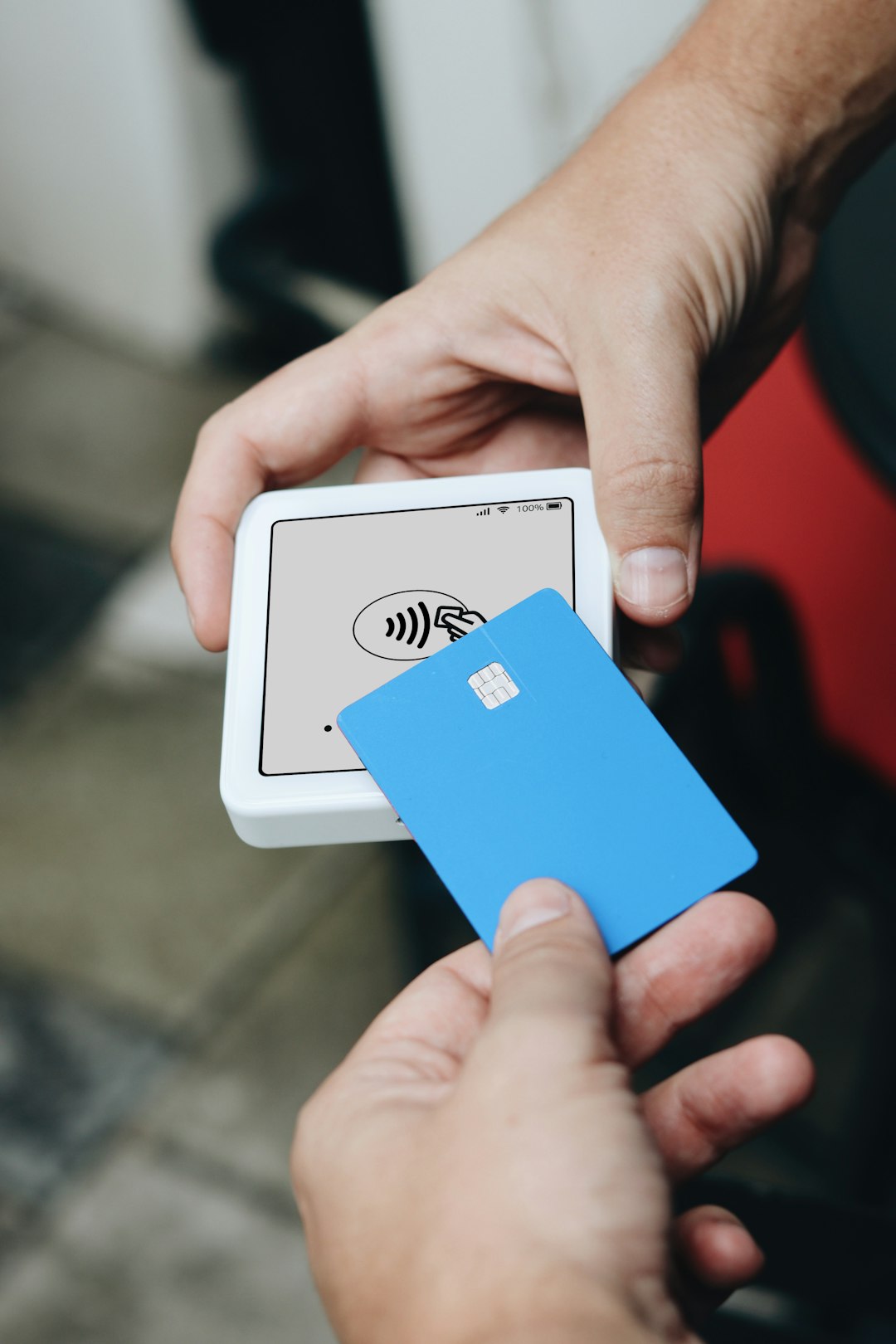
When using a credit card, you can typically expect the following:
- Major cards like Visa and Mastercard are widely accepted.
- Discover is frequently accepted, but not always.
- American Express is less universally accepted.
- A processing or convenience fee may apply.
The presence of a convenience fee often surprises customers. Because government agencies must pay transaction fees to credit card processors, many states pass that cost along to the customer. This fee typically ranges from 1.5% to 3% of the total transaction amount.
In-Person vs. Online Payments
It’s important to distinguish between in-person payments and online transactions. While most DMVs accept credit cards online, policies at physical branches can differ slightly.
Online DMV Services
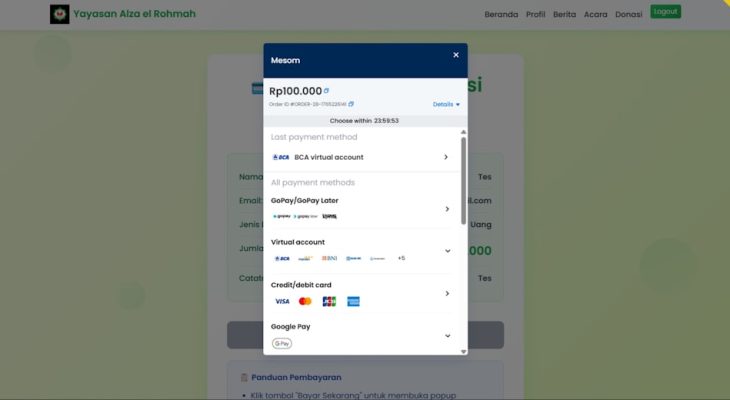
Online DMV portals commonly accept:
- Credit cards
- Debit cards
- Electronic checks (ACH payments)
Typical services that can be paid for online include:
- Vehicle registration renewals
- Driver’s license renewals
- Duplicate license requests
- Address updates
Online payments almost always involve a processing fee if a credit card is used. Many DMVs clearly state the fee amount before you finalize your payment.
In-Person DMV Visits
At physical DMV locations, payment policies can vary. Larger urban branches typically accept credit and debit cards without issue. However, smaller or rural branches may:
- Accept cash and checks but not all credit cards
- Have temporary card system outages
- Limit certain card networks
This is why it is strongly recommended to verify payment options through your state DMV’s official website or customer service line before your visit.
Common Fees You May Pay With a Credit Card
Many DMV transactions can be completed using a credit card. Some of the most common include:
- Driver’s license issuance or renewal
- Real ID application
- Vehicle registration renewal
- Title transfer fees
- License plate replacement
- Written and road test fees
For example, if your car registration renewal costs $150 and your state charges a 2.5% processing fee for credit card use, you would pay an additional $3.75. While small fees may not seem significant, they can add up—especially for higher-value transactions like title transfers or commercial vehicle registrations.
Why Some DMVs Charge Processing Fees
Credit card companies charge merchants a small percentage for every transaction. While private businesses may build this cost into their prices, public agencies often operate under stricter budgeting rules.
As a result, many DMVs:
- Outsource payment processing to third-party vendors
- Pass transaction fees directly to users
- Clearly disclose these convenience fees at checkout
This approach helps the agency maintain operational funding without increasing base service fees for all residents. From a public administration perspective, it is often viewed as a fair compromise.
When Credit Cards May Not Be Accepted
Although most DMVs accept credit cards, there are exceptions. Situations where you might encounter restrictions include:
- Certain judicial or court-related payments handled through the DMV
- Cash-only kiosks in limited service areas
- Temporary system outages
- Out-of-state title transfers requiring certified funds
For example, some states require a certified check or money order for large commercial vehicle transactions or bonded titles. In these cases, personal credit cards may not be permitted.
State-by-State Differences
Because each state operates independently, payment rules are not standardized across the country.
Image not found in postmetaFor instance:
- Many large states like California, Texas, and Florida widely accept credit cards both online and in person.
- Some states integrate third-party service providers and label the charge separately on your statement.
- In certain regions, American Express acceptance is limited compared to Visa and Mastercard.
Before visiting your local branch, check:
- The official state DMV website
- The specific branch’s payment policy page
- Frequently Asked Questions sections
- Posted notices about service fees
This step can save time, prevent embarrassment, and help you prepare the proper method of payment.
Is It Safe to Use a Credit Card at the DMV?
Yes, in general it is safe to use a credit card at the DMV or through its official online portal. State agencies use secure payment gateways and encryption standards consistent with government requirements.
That said, you should always:
- Ensure you are on the official government website (look for .gov domains)
- Avoid making payments on third-party sites that resemble official portals
- Retain your receipt and confirmation number
- Monitor your credit card statement for accuracy
Using a credit card can even provide added protection through fraud monitoring and dispute resolution protections offered by major card issuers.
Advantages of Paying the DMV With a Credit Card
Choosing to pay with a credit card may offer practical benefits:
- Convenience – No need to carry cash or write checks.
- Speed – Faster checkout process, particularly online.
- Reward points – Some cardholders earn travel or cash-back rewards.
- Purchase protection – Fraud safeguards from your credit issuer.
However, the trade-off is typically the convenience fee. If you prefer to avoid additional charges, a debit card or e-check may come with lower or no processing costs in some states.
Final Thoughts
So, does the DMV take credit cards? In most cases, yes. Credit card acceptance has become increasingly standard across state motor vehicle departments, particularly for online services and major branch offices. However, customers should expect the possibility of a processing fee and should verify card acceptance—especially for less common or high-value transactions.
The most reliable way to avoid inconvenience is preparation. Review your state DMV’s official website, confirm accepted payment methods, and understand any fees that may apply. With a bit of planning, your DMV visit can be smoother, faster, and free of avoidable payment complications.
When it comes to government services, clarity and preparedness matter. Knowing in advance whether your local DMV accepts credit cards ensures that your attention remains on completing your transaction—not scrambling to find an ATM.