




Fortnite’s locker has grown into one of the largest cosmetic collections in gaming, and the question “How many skins are in Fortnite?” is harder to answer than it looks. Epic Games adds new outfits constantly through the Item Shop, Battle Passes, Crew packs, collaborations, tournaments, bundles, and special events, so the number is always moving.
TLDR: Fortnite has well over 2,000 skins, usually called Outfits in the game’s cosmetic system. The exact number changes frequently because Epic adds new skins almost every week, and some database totals include unreleased, encrypted, or variant cosmetics. If you are asking for the practical live-game count, the safest answer is: Fortnite has roughly 2,000+ playable Outfit skins, with the total continuing to rise every season.
What Counts as a “Skin” in Fortnite?
In Fortnite, what most players call a skin is officially called an Outfit. This is the cosmetic item that changes your character’s appearance in Battle Royale, Zero Build, Creative, LEGO Fortnite, Festival, and other Fortnite experiences. A skin does not change your damage, health, hitbox advantage, or gameplay power; it is purely visual.
However, the count gets complicated because not every character appearance is counted the same way. For example, one skin may have multiple edit styles, such as different colors, helmets, masks, armor stages, reactive effects, or LEGO versions. Usually, these styles do not count as separate skins. They are attached to a single Outfit.
For a simple answer, Fortnite has over 2,000 Outfit skins. For a more detailed answer, you have to separate actual Outfits from styles, bundles, special versions, and unreleased cosmetics hidden in the files.
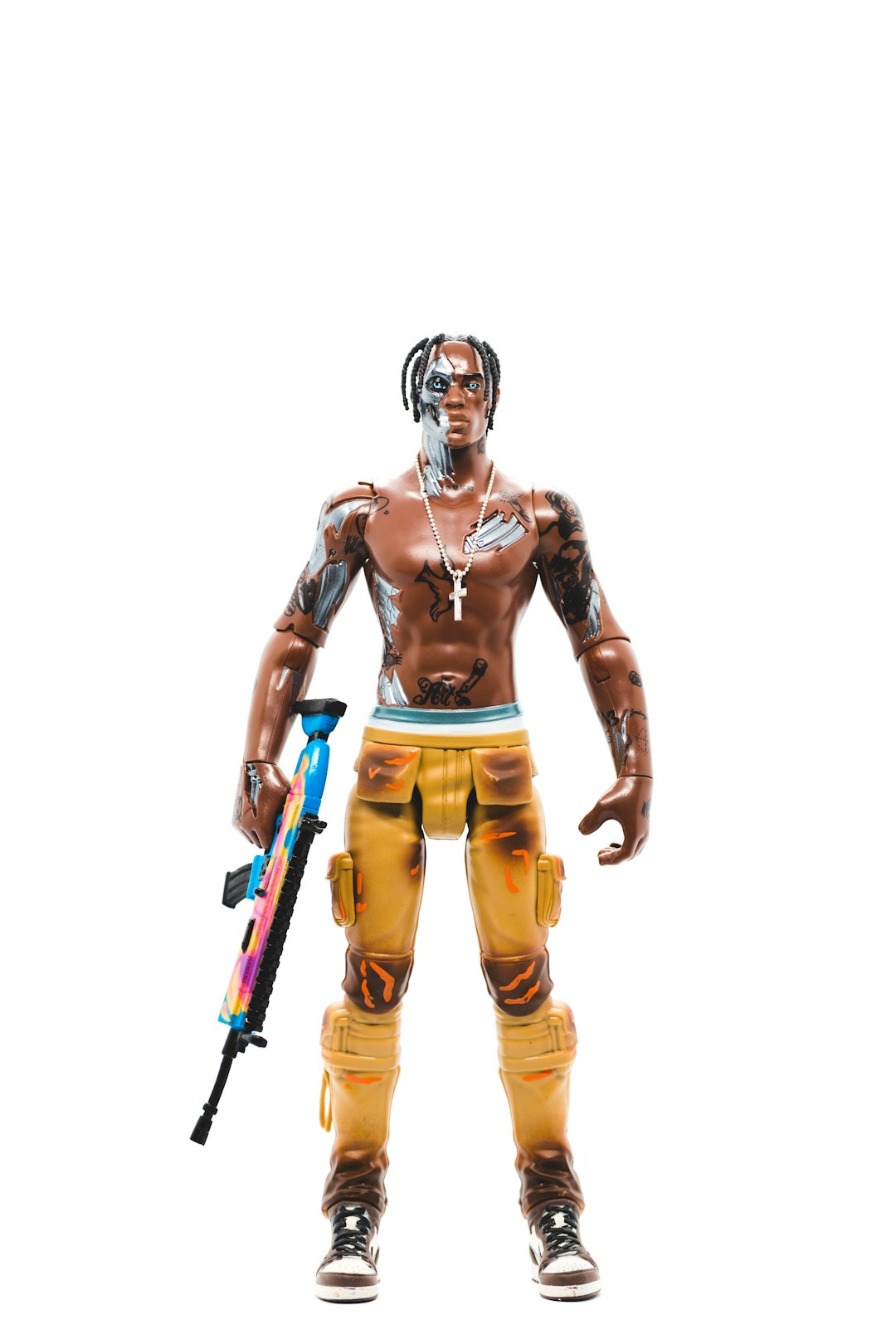
The Current Full Count: Over 2,000 Fortnite Skins
As of recent Fortnite seasons, the game has passed the 2,000-skin milestone. The exact total depends on the source and how it counts cosmetics, but most player-facing cosmetic databases place the number somewhere in the low two-thousands and climbing. Because new skins arrive nearly every update, a number that is accurate today can be outdated within days.
A good way to phrase the current count is:
- Playable Outfit skins: roughly 2,000+
- Including unreleased or encrypted cosmetics: often slightly higher
- Including edit styles as separate looks: the visual total becomes much larger
- Including all cosmetic types: back blings, pickaxes, gliders, wraps, emotes, and more push the number far beyond the skin count
So, if someone asks, “How many skins are in Fortnite in total?” the best accurate answer is: Fortnite has more than 2,000 skins, and the number grows every month.
Why the Number Changes So Often
Fortnite is not a traditional game with a fixed cosmetic catalog. It is a live-service platform. That means Epic Games updates it frequently with new seasons, mini-events, crossovers, and limited-time promotions. Every major update can add several new skins, and some weeks bring an entire wave of outfits at once.
New skins commonly arrive through:
- Item Shop rotations with original Fortnite characters and returning favorites
- Battle Passes that usually include multiple exclusive seasonal skins
- Fortnite Crew monthly subscription outfits
- Starter Packs and challenge packs
- Real-money bundles sold through platform stores
- Collaborations with movies, anime, musicians, sports stars, streamers, and other games
- Tournament rewards and ranked cosmetics
- Special event skins for holidays such as Fortnitemares and Winterfest
This constant release schedule is why Fortnite’s skin total has ballooned from a handful of early outfits into a massive character library.
Battle Pass Skins: A Major Part of the Total
The Battle Pass has contributed a huge number of Fortnite skins. Each season usually includes several main outfits, bonus styles, super styles, and sometimes secret or quest-based skins. Some of the most famous Fortnite characters began as Battle Pass rewards, including original icons such as Black Knight, Drift, Omega, Midas, and Peely.
Battle Pass skins are especially important because many of them are no longer obtainable after their season ends. This makes old Battle Pass outfits some of the most recognizable signs of account age. A player wearing a skin from Chapter 1 Season 2, for example, is showing off a cosmetic that newer players cannot simply buy from the Item Shop.
Over dozens of seasons, the Battle Pass alone has added hundreds of Outfits to Fortnite’s total skin count.
Item Shop Skins: The Biggest Source of Variety
The Item Shop is where Fortnite’s cosmetic count expands the fastest. It rotates daily and features everything from simple uncommon skins to elaborate legendary outfits with multiple styles, reactive effects, and bundled accessories. Many Item Shop skins return regularly, while others disappear for months or even years.
Item Shop skins include original Fortnite designs like Raven, Brite Bomber, Fishstick, Ruby, and Aura. It also includes a large share of the game’s collaboration characters. These shop cosmetics are a major reason Fortnite’s skin catalog feels so large: there is always something new, nostalgic, rare, or unexpected returning to the rotation.
Collaboration Skins Added Hundreds More
One of Fortnite’s biggest cosmetic strengths is its crossover universe. The game has featured skins from Marvel, DC, Star Wars, Dragon Ball, Naruto, My Hero Academia, Jujutsu Kaisen, Street Fighter, Resident Evil, John Wick, Teenage Mutant Ninja Turtles, and many more.
Fortnite also includes real-world celebrity and creator skins through the Icon Series. These have included musicians, athletes, content creators, and esports personalities. As a result, Fortnite’s skin count is not only large but culturally diverse. It is part superhero gallery, part anime crossover, part music festival, part sports arena, and part original cartoon universe.
Collaborations have likely added hundreds of skins to the total. They also help explain why Fortnite remains relevant across so many audiences. A player might log in for a new seasonal map, but another might come back simply because their favorite movie character or anime hero is now playable.
Do LEGO Styles Count as Separate Skins?
Not usually. After the launch of LEGO Fortnite, many existing skins received LEGO variants. These versions change how the character appears in LEGO experiences, but they are generally treated as alternate versions of the same Outfit rather than brand-new skins. For example, if a skin has both a normal Battle Royale appearance and a LEGO appearance, it is still usually counted as one Outfit.
This distinction matters because Fortnite now supports multiple cosmetic formats across different modes. A single skin can have:
- A standard Battle Royale model
- A LEGO minifigure style
- Multiple edit styles
- Reactive or transformation effects
- Festival-compatible appearances
If every visual variation were counted separately, the number of “looks” in Fortnite would be far higher than the number of actual skins.
Rare and Exclusive Skins Complicate the Count
Some Fortnite skins are technically part of the game’s history but are not available to most players. These include limited-time promotional skins, platform-exclusive bundles, old Battle Pass outfits, tournament rewards, and special event cosmetics. Examples often discussed by collectors include Renegade Raider, Aerial Assault Trooper, Galaxy, Honor Guard, Ikonik, and Double Helix.
These still count as Fortnite skins, even if they are no longer obtainable. That is one reason the total number of skins is different from the number of skins currently available in the Item Shop. The Item Shop may only show a small slice of the full catalog on any given day, while the complete Fortnite locker history includes years of discontinued and limited cosmetics.
How Many New Skins Does Fortnite Add Per Season?
The number varies, but a typical Fortnite season can add dozens of new skins when you include Battle Pass outfits, Item Shop releases, collaborations, Crew packs, and event cosmetics. A smaller season might add fewer, while a major crossover-heavy season can add a large wave of characters.
Here is a simplified breakdown of where a season’s new skins may come from:
| Source | Typical Contribution |
|---|---|
| Battle Pass | Several main outfits plus bonus styles |
| Item Shop | Many original and returning cosmetics |
| Collaborations | One character or entire themed sets |
| Fortnite Crew | One new monthly Outfit |
| Events | Holiday, tournament, or quest-based skins |
Because of this, Fortnite’s skin count does not grow slowly. It expands steadily throughout the year.
Image not found in postmetaWhat Is the Difference Between Skins and Cosmetics?
Another common mistake is mixing up skins with all cosmetics. Fortnite has many cosmetic categories, including Outfits, Back Blings, Pickaxes, Gliders, Contrails, Wraps, Emotes, Loading Screens, Music Packs, and Sprays. Skins are only one category.
If you count every cosmetic item in Fortnite, the total climbs far beyond the Outfit count. But when players ask how many skins are in Fortnite, they almost always mean how many character outfits exist.
So, What Is the Best Final Answer?
The best full-count answer is that Fortnite has over 2,000 skins, with the precise number changing as Epic Games updates the game. The live total is not permanently fixed, and different trackers may show slightly different numbers depending on whether they count unreleased, encrypted, promotional, or variant cosmetics.
If you want the cleanest answer, use this:
Fortnite currently has roughly 2,000+ Outfit skins, and the total continues to grow with every season, shop update, Crew pack, event, and collaboration.
That enormous catalog is part of what makes Fortnite unique. It is not just a battle royale anymore; it is a constantly expanding pop-culture wardrobe where banana agents, anime heroes, superheroes, musicians, monsters, astronauts, and original Fortnite legends can all stand next to each other in the same lobby. And by the time you finish reading the next patch notes, there may already be even more skins to count.