

Websites and apps are expected to work all the time. Day and night. No excuses. When they slow down or crash, users leave fast. That is where synthetic monitoring software comes in. It acts like a robot user that constantly checks if your system is alive, fast, and healthy.
TLDR: Synthetic monitoring software simulates real user actions to test uptime and performance. It runs checks 24/7 from different locations. It helps teams find problems before users notice them. This means faster fixes, happier customers, and less lost revenue.
What Is Synthetic Monitoring?
Synthetic monitoring is a way to test your website or app using automated scripts. These scripts pretend to be real users. They click buttons. They fill out forms. They load pages. They even complete purchases.
But here is the key point. These users are not real people. They are simulated.
This testing happens at set intervals. Every minute. Every five minutes. Or whatever schedule you choose.
It answers simple but important questions:
- Is the website online?
- How fast does it load?
- Does checkout work?
- Is login broken?
- Are APIs responding?
If anything fails, the system sends an alert. Fast.
Why Uptime Matters So Much
Uptime is the amount of time your system is available. Most companies aim for 99.9% uptime or higher.
That sounds great. But even 99.9% uptime means about 43 minutes of downtime per month.
Those 43 minutes can:
- Cost money
- Damage reputation
- Frustrate users
- Hurt search rankings
Synthetic monitoring helps reduce those minutes. It checks your system before customers complain.
Think of it like a smoke detector. It alerts you before the fire spreads.
How Synthetic Monitoring Works
The process is simple. Powerful. And automated.
- Create a script. Define steps like visiting a page or submitting a form.
- Select locations. Choose global checkpoints to simulate users worldwide.
- Set frequency. Decide how often tests run.
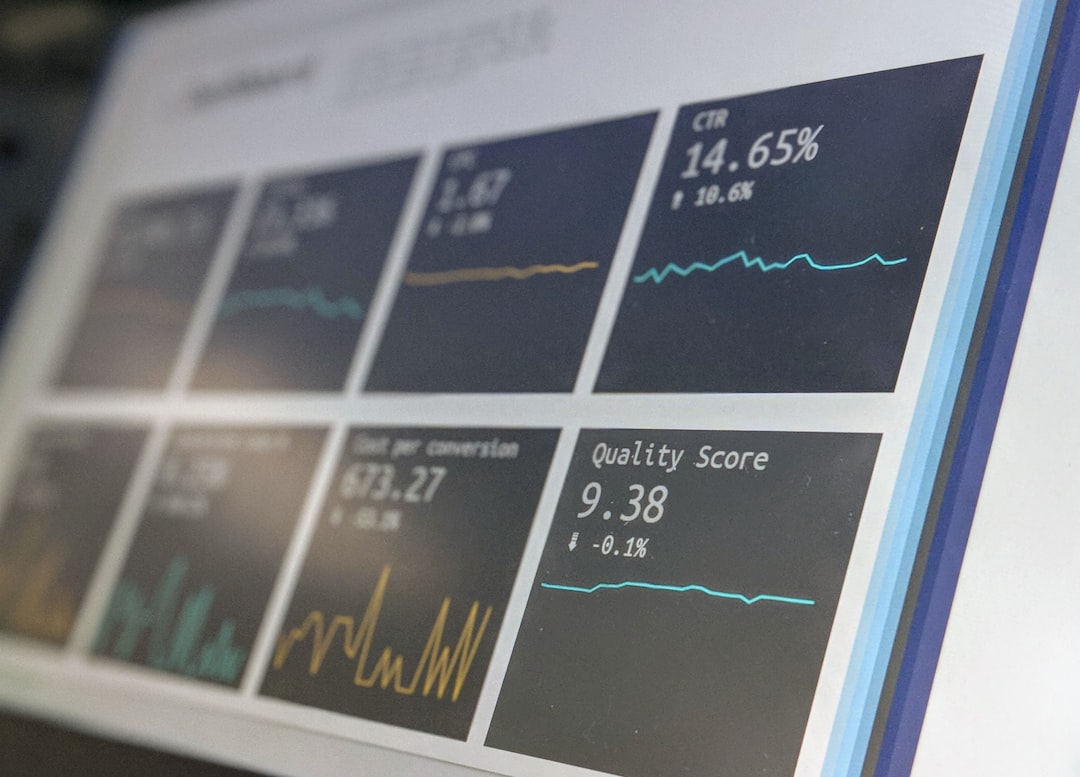
- Analyze results. View metrics in dashboards.
- Trigger alerts. Get notified if something breaks.
These tests can run from dozens of cities. This helps identify if a problem is global or local.
For example:
- If only Europe is slow, it could be a CDN issue.
- If only mobile tests fail, it could be responsive design.
- If checkout fails everywhere, it is urgent.
Synthetic vs. Real User Monitoring
Many people confuse synthetic monitoring with real user monitoring (RUM). They are different.
Synthetic monitoring is proactive. It simulates traffic even when no users are online.
Real user monitoring is reactive. It collects data from actual user sessions.
Here is a simple breakdown:
- Synthetic: Fake users. Controlled tests. 24/7.
- RUM: Real users. Live traffic. Real behavior.
The best strategy? Use both.
Synthetic monitoring finds problems early. RUM shows how real people experience your site.
Key Features of Synthetic Monitoring Software
Not all tools are equal. Good synthetic monitoring software includes:
1. Global Testing Locations
Tests should run from many countries. This reflects real-world conditions.
2. Browser-Based Testing
It should test in real browsers like Chrome or Firefox. Not just simple requests.
3. API Monitoring
Modern apps depend on APIs. These must be tested too.
4. Alerting System
Alerts through email, SMS, or chat tools. Instant awareness matters.
5. Detailed Reports
Reports should show:
- Load time
- Time to first byte
- DNS resolution
- Connection time
- Error rates
6. Screenshot Capture
When a test fails, screenshots help. You see exactly what broke.
Common Use Cases
Synthetic monitoring is used across industries. From startups to global enterprises.
E-commerce
Online stores test product pages and checkout flows. Every minute of downtime equals lost sales.
Banking and Finance
Banks monitor login processes and transaction APIs. Reliability is critical.
SaaS Platforms
Software platforms test dashboards, integrations, and user workflows.
Media and Streaming
Streaming services monitor buffering time and playback performance.
In each case, speed equals trust.
Benefits of Synthetic Monitoring
Let’s keep it simple.
- Early Detection: Problems are found before customers notice.
- Improved Performance: Teams understand slow areas.
- Reduced Downtime: Faster fixes.
- Better User Experience: Smooth and reliable systems.
- Confidence During Launches: Monitor new releases safely.
It also brings peace of mind. Teams sleep better knowing robots are watching.
Performance Metrics That Matter
Performance is more than just “fast” or “slow.”
Synthetic monitoring tracks specific numbers.
Page Load Time
Total time for the page to fully load.
Time to First Byte (TTFB)
How long the server takes to respond.
DNS Lookup Time
Time spent resolving the domain name.
SSL Handshake Time
Time required to establish secure connection.
Error Rate
How often requests fail.
Small increases in these numbers can signal bigger issues.
How Alerts Save the Day
Imagine this. It is 3 AM. Your payment gateway stops working.
Without synthetic monitoring, you might discover this at 9 AM. Too late.
With monitoring, an alert fires instantly.
The on-call engineer gets notified. Fix begins.
Problem solved before sunrise.
Modern alert systems reduce noise. They avoid false alarms. They allow smart thresholds.
This keeps teams focused on real problems.
Best Practices for Using Synthetic Monitoring
To get real value, follow these tips:
- Monitor critical paths. Focus on login, search, checkout.
- Test frequently. Every 1–5 minutes for key flows.
- Use multiple regions. Cover main user markets.
- Set realistic thresholds. Avoid constant alerts.
- Review reports weekly. Look for trends.
Monitoring is not “set it and forget it.”
It needs review and optimization.
Synthetic Monitoring in DevOps
Modern teams use DevOps practices. They deploy updates often. Sometimes daily.
This increases risk.
Synthetic monitoring acts as a safety net.
It integrates into CI/CD pipelines. It tests new releases automatically.
If something fails, deployment can roll back.
This protects users from broken features.
Cloud and Microservices Monitoring
Today’s applications are complex. They use microservices. Containers. Cloud servers.
Many moving parts.
If just one service slows down, the whole app suffers.
Synthetic monitoring tests complete user journeys. Not just individual servers.
It verifies that all parts work together smoothly.
This is critical in distributed systems.
Cost vs. Value
Some teams hesitate. They ask, “Is it worth the cost?”
Ask another question instead.
What is one hour of downtime worth?
For many businesses, the answer is thousands. Sometimes millions.
Synthetic monitoring software is small compared to that risk.
It is insurance for your digital business.
The Human Side of Monitoring
Behind every dashboard is a team.
Developers. Engineers. Product managers.
Synthetic monitoring reduces stress.
It replaces guesswork with data.
It turns panic into action.
When systems run smoothly, teams focus on innovation. Not firefighting.
The Future of Synthetic Monitoring
The technology keeps evolving.
Artificial intelligence is improving alerts. It detects unusual patterns.
More tools now simulate complex user behavior. Even voice and mobile gestures.
Monitoring is becoming smarter. Faster. More predictive.
The goal stays the same.
Catch problems early. Keep systems fast. Protect user experience.
Final Thoughts
In today’s digital world, uptime is not optional. Performance is not optional.
Users expect speed. They expect reliability.
Synthetic monitoring software acts like a tireless robot tester. It checks everything. All the time.
It finds issues before customers do. It gives teams data, clarity, and control.
If your website or app matters to your business, monitoring should matter too.
Because in the end, a fast and reliable experience is not just technical performance.
It is customer trust.