

The AirDog drone occupies a special place in consumer drone history because it was built around a focused idea: hands-free aerial filming for action sports. Rather than trying to be a general-purpose camera drone, AirDog was designed to follow an athlete, keep a GoPro pointed at the subject, and capture dynamic footage during skiing, surfing, biking, motocross, wakeboarding, and similar activities.
TLDR: AirDog is a folding, autonomous follow-me drone made primarily for action sports filming. Its standout feature is the AirLeash, a wearable controller that lets the drone track the subject without relying on a phone. It offers impressive hands-free filming for its era, but it lacks modern features such as obstacle avoidance, integrated 4K cameras, and strong app-based ecosystems. Today, it is best viewed as a niche legacy drone for enthusiasts rather than a mainstream recommendation.
Overview of the AirDog Drone
AirDog was originally launched as a sports-focused drone that could follow a subject automatically using a wearable tracking device. At a time when many drones required manual piloting, AirDog presented itself as a solution for athletes who wanted footage without hiring a camera operator. Its folding design, weather-conscious build, and GoPro support made it appealing to people who needed a rugged flying camera companion.
The drone was developed by Helico Aerospace Industries and gained attention through crowdfunding. Its main promise was simple: the athlete wears the AirLeash, selects a flight mode, and the drone follows along while keeping the camera aimed at the subject. This was a bold concept when autonomous flight was still relatively new in the consumer market.
Unlike many modern drones that include built-in cameras, AirDog was designed around action cameras, especially GoPro models. This allowed users to benefit from the compact size and image quality of GoPro cameras, although it also meant the final experience depended heavily on the camera model, gimbal setup, and mounting compatibility.
Image not found in postmetaDesign and Build Quality
The AirDog drone has a distinctive folding quadcopter body. Its arms fold inward for transport, making it more portable than many early consumer drones. This was especially useful for action sports users, who often carried equipment in backpacks, ski bags, or vehicle storage compartments.
The build is practical rather than elegant. AirDog looks like a tool built for outdoor use, with visible hinges, landing legs, and a camera mount beneath the frame. The body is relatively large compared with modern compact drones, but for its release period, the foldable structure was a major advantage.
Durability was one of its key selling points. The drone was marketed as capable of handling demanding outdoor conditions better than many average hobby drones. However, it should not be considered waterproof in the same way as a dedicated marine drone. It was better described as weather-resistant or built with action environments in mind. Careful handling around water, snow, and dust remained important.
AirLeash Tracking System
The AirLeash is the feature that most clearly separated AirDog from other drones of its time. It is a wearable controller that communicates with the drone and tells it where the subject is located. This allowed the drone to follow a person without requiring constant smartphone control.
The AirLeash could be worn on the wrist, attached to a helmet, or mounted to sports equipment depending on the activity. For sports like skiing and biking, this approach made sense because phones are not always convenient or reliable in fast-moving outdoor situations. The wearable controller also made the experience feel more purpose-built for athletes.
Through the AirLeash, the user could select flight modes, control basic positioning, and command the drone to follow from specific angles. This made AirDog less like a traditional remote-control aircraft and more like an autonomous filming assistant.
Flight Performance
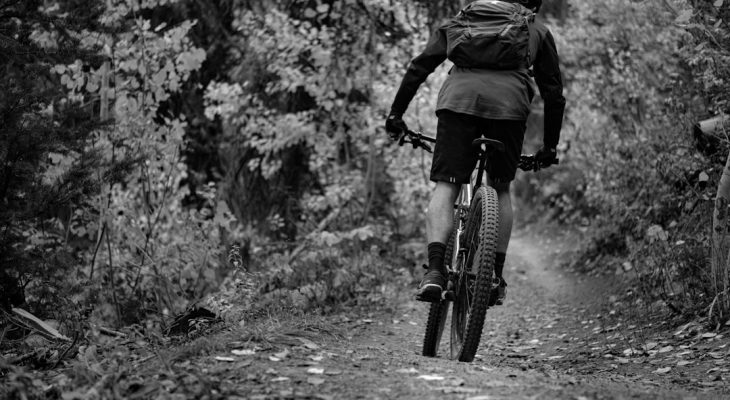
AirDog’s flight performance was impressive for its intended purpose, particularly during its original release period. It was capable of following moving subjects at moderate to high speeds, making it suitable for activities such as snowboarding, mountain biking, and motocross. Its top speed was commonly reported at around 40 mph, which gave it enough pace for many action sports scenarios.
Flight time was more limited. Depending on conditions, battery age, payload, wind, and camera setup, users could expect roughly 10 to 18 minutes of flight. This was typical for action drones of the era but short compared with some modern camera drones that can exceed 30 minutes.
The drone’s autonomous behavior was its biggest strength, but also a limitation by modern standards. AirDog could follow preconfigured paths and subject positions, yet it did not offer the same level of environmental awareness found in newer drones. In particular, the absence of advanced obstacle avoidance meant pilots still needed open space and careful planning.
Camera and Gimbal Support
AirDog was designed primarily for GoPro action cameras rather than an integrated camera system. This was both a benefit and a drawback. On the positive side, GoPro cameras were already popular with athletes and produced strong action footage. Users who already owned compatible GoPro models could integrate them into the drone workflow.
On the negative side, the setup was less seamless than modern drones with built-in cameras, live video transmission, and integrated stabilization systems. The exact camera compatibility depended on the AirDog version and gimbal configuration. Commonly supported cameras included GoPro HERO models from the HERO3, HERO3+, and HERO4 generation.
The gimbal helped keep footage stable and aimed at the subject. However, compared with modern 3-axis camera systems, the result could feel less refined. Still, for action footage captured in wide outdoor spaces, AirDog was capable of producing exciting aerial shots that were difficult to achieve manually.
Flight Modes and Autonomous Features
AirDog offered several autonomous modes intended for sports filming. These modes allowed the drone to follow the AirLeash from different angles or maintain a specific relationship to the subject.
- Follow Mode: The drone follows the subject while keeping the camera pointed toward the AirLeash.
- Hover and Aim: The drone can remain in position while tracking the subject with the camera.
- Line Mode: The drone can move along a set path while filming the subject.
- Circle or Orbit Style Shots: Some configurations allowed circular movement around the subject for cinematic footage.
- Return and Landing Functions: Automated return or landing behavior helped reduce the burden on the operator.
These features were forward-thinking at the time. However, the system required responsible setup. It worked best in wide, open areas without trees, power lines, buildings, crowds, or other obstacles. AirDog was never a drone that could safely weave through complex environments without user oversight.
AirDog Drone Specifications
| Drone Type | Foldable autonomous quadcopter |
| Primary Use | Action sports follow-me filming |
| Tracking System | Wearable AirLeash controller |
| Camera Support | Compatible GoPro action cameras, depending on model and gimbal |
| Estimated Flight Time | Approximately 10 to 18 minutes |
| Top Speed | About 40 mph |
| Design | Folding arms for easier transport |
| Control Style | Autonomous modes through AirLeash, with limited manual-style input |
| Gimbal | Stabilized GoPro mount, configuration varies by version |
| Obstacle Avoidance | No modern all-direction obstacle avoidance |
| Best Environment | Open outdoor areas for sports and movement |
Strengths of the AirDog Drone
The biggest strength of AirDog is its dedicated action-sports approach. It was not designed as a casual selfie drone or landscape photography platform. It was made for athletes who wanted the drone to act like an automatic camera operator.
- Hands-free operation: The AirLeash made it possible to capture footage while the subject focused on the sport.
- Foldable design: The drone was easier to carry than many fixed-body competitors.
- GoPro compatibility: Existing GoPro users could use familiar cameras and footage workflows.
- Sport-specific flight modes: Automated following and tracking modes suited high-energy activities.
- Innovative concept: AirDog helped popularize the idea of autonomous follow-me filming.
Weaknesses and Limitations
AirDog also has clear weaknesses, particularly when evaluated against modern drones. Its lack of advanced obstacle avoidance is the most important limitation. Since sports often occur near trees, slopes, jumps, trails, or water, the operator had to choose filming locations carefully.
Battery life is another drawback. Older batteries may perform poorly today, and replacement availability can be a concern. Since AirDog is no longer a mainstream current-generation product, support, parts, batteries, and repairs may be difficult to find.
The reliance on GoPro cameras can also be inconvenient. Modern drones often include integrated cameras with live view, automatic exposure control, subject recognition, and stabilized 4K or higher-quality video. AirDog’s camera experience feels more modular, but less polished.
Who Is AirDog Best For?
AirDog is best suited for drone collectors, action sports enthusiasts, and users who specifically appreciate its wearable tracking concept. It may still appeal to someone who wants a legacy follow-me drone and understands the limitations of older hardware.
It is less suitable for beginners who want a simple, modern flying camera. A current consumer drone will usually offer better camera quality, longer battery life, obstacle sensing, easier app control, and more reliable parts availability. For professional work, AirDog may be too limited unless the project specifically calls for its style of autonomous sports tracking.
Overall Review Verdict
The AirDog drone was an innovative and ambitious product that helped define the follow-me drone category. Its AirLeash system was especially clever because it addressed a real problem for action sports users: controlling a drone while actively participating in a sport is difficult. By shifting control to a wearable tracker, AirDog offered a practical and exciting filming method.
However, technology has moved forward. Modern drones now provide better cameras, safer flight systems, improved battery performance, stronger app integration, and more intelligent subject tracking. AirDog remains interesting, but its value today depends on expectations. As a piece of drone history and a specialized action-sports platform, it is impressive. As a practical everyday drone purchase, it is harder to recommend unless the buyer finds one in good condition with working batteries and accessories.
Final rating: AirDog deserves credit for innovation and action-sports usability, but its age and lack of modern safety features limit its current appeal.
FAQ
Is the AirDog drone still worth buying?
AirDog can be worth buying for collectors or enthusiasts interested in autonomous action-sports drones. For most general users, a newer drone is usually a better choice due to improved cameras, safety sensors, and support.
Does AirDog have obstacle avoidance?
No, AirDog does not have modern multi-direction obstacle avoidance. It should be flown in open areas with minimal hazards.
What camera does AirDog use?
AirDog was designed mainly for GoPro action cameras. Compatibility depends on the specific AirDog version and gimbal setup.
How long does the AirDog drone fly?
Typical flight time is approximately 10 to 18 minutes, depending on battery condition, weather, payload, and flying style.
What is the AirLeash?
The AirLeash is a wearable controller that allows the drone to track and follow the subject. It is one of AirDog’s most important features.
Is AirDog good for beginners?
AirDog is not the best choice for most beginners today. It requires careful setup, open flying space, and awareness of its limitations.
Can AirDog be used for professional filming?
It can be used for certain action-sports shots, but modern professional drones usually provide better image quality, stability, reliability, and safety features.