


Imagine your wallet is wearing a tiny superhero cape. That is the basic idea behind RFID blocking cloth. It is a special fabric that helps block sneaky radio signals. These signals can be used to read data from cards, badges, passports, and tags without touching them.
TLDR: RFID blocking cloth is fabric that stops or weakens radio waves. It works like a soft shield around cards, passports, or devices that use RFID or NFC. People use it in wallets, bags, passport holders, clothing, and pouches. It is simple, useful, and a little bit like giving your stuff a force field.
What Is RFID?
RFID stands for Radio Frequency Identification. That sounds big and fancy. But the idea is simple.
RFID uses radio waves to send small bits of information. A reader sends out a signal. A tiny chip answers. This chip may be inside a card, tag, passport, or badge.
You may use RFID every week. Maybe every day. It is inside many things, such as:
- Contactless credit and debit cards
- Transit cards
- Employee ID badges
- Hotel key cards
- Passports
- Inventory tags in stores
- Pet microchips
RFID is useful. It is fast. It lets you tap and go. No swiping. No plugging in. No drama.
But there is a small problem. If a card can be read by radio waves, someone may try to read it when you do not want them to. That is where RFID blocking cloth comes in.
What Is RFID Blocking Cloth?
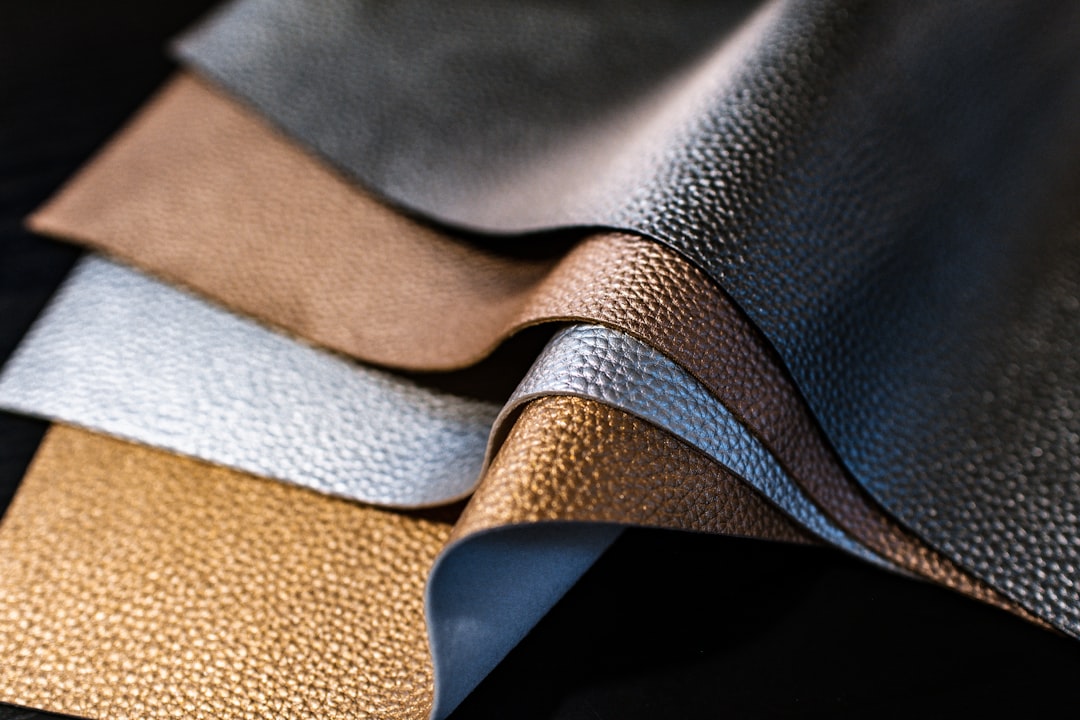
RFID blocking cloth is fabric made to block radio signals. It is not magic. It is science in a jacket.
The cloth usually contains metal. Common metals include copper, nickel, silver, or stainless steel. These metals are woven into the fabric or coated onto it.
The fabric may look normal. It may feel soft. It may bend and fold. But inside, it has a hidden talent. It can reduce or stop certain radio waves from passing through.
Think of it like a screen door for signals. Air can pass through a screen door. Bugs cannot. RFID blocking cloth is like a screen door that tells radio waves, “No entry, little buddy.”
How Does RFID Blocking Cloth Work?
RFID blocking cloth works by creating a barrier. This barrier can reflect, absorb, or scatter radio waves.
Here is the simple version.
- An RFID reader sends out radio waves.
- The waves try to reach the chip in your card or passport.
- The metal in the cloth gets in the way.
- The signal becomes weak or blocked.
- The chip cannot answer clearly.
When the chip cannot answer, the reader cannot get the data. So the cloth acts like a quiet room for your card.
This idea is similar to a Faraday cage. A Faraday cage is a container made with conductive material. It blocks electromagnetic fields. Big words. Simple trick.
If you wrap something in conductive material, signals may not get in or out. RFID blocking cloth is like a bendy, wearable Faraday cage.
What Kind of Signals Does It Block?
Not all RFID systems are the same. Some use low frequencies. Some use high frequencies. Some use ultra high frequencies.
Most contactless payment cards use 13.56 MHz. This is also common for NFC, which means Near Field Communication. Phones and payment terminals often use NFC.
Good RFID blocking cloth is usually designed to block these common signals. Some cloth can also block other frequencies. The exact performance depends on the material, weave, thickness, and design.
In plain English: not all blocking cloth is equal. Some is great. Some is just shiny fabric with big dreams.
Is RFID Skimming Real?
RFID skimming is when someone tries to read data from an RFID card without permission. It can happen in theory. It can happen in real life. But it is not always easy.
Modern payment cards often use encryption and one time codes. That makes them harder to abuse. So you do not need to panic if your card has a tap symbol.
Still, privacy matters. Security layers are good. If you can add a simple shield, why not?
RFID blocking cloth is not about fear. It is about control. You choose when your card talks. You choose when it stays quiet.
What Does RFID Blocking Cloth Look Like?
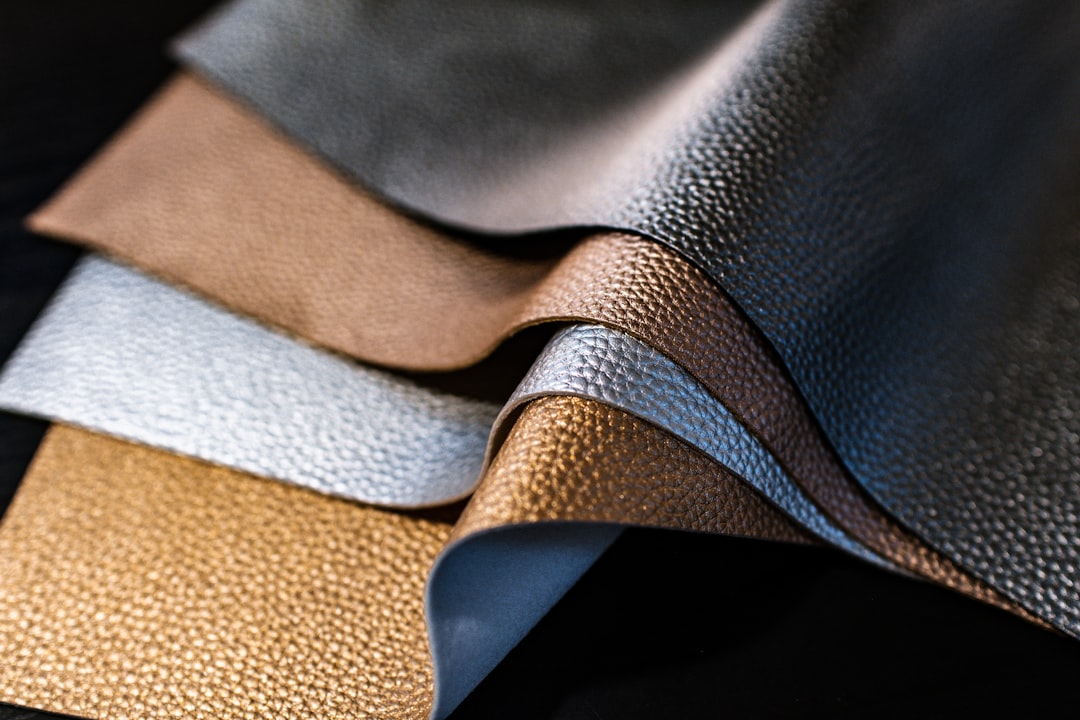
It depends. Some RFID blocking cloth looks like soft gray fabric. Some looks silver. Some looks black. Some looks like normal lining inside a wallet or bag.
You may see it as:
- A thin lining inside a wallet
- A shiny layer inside a passport holder
- A soft pouch for phones or key fobs
- A fabric panel inside a backpack
- A sew in material for DIY projects
It does not have to look like space armor. But honestly, space armor would be fun.
Practical Use: Wallets
The most common use is the RFID blocking wallet. These wallets have blocking fabric inside. The cloth surrounds the card area. This helps stop readers from scanning cards while the wallet is closed.
This is useful if you carry contactless cards. It is also useful if you travel in busy places. Airports, train stations, and city centers can feel like a human soup. A little extra protection is nice.
Just remember one thing. The card must be inside the protected area. If half the card is sticking out, the shield may not work well. Superhero capes only work if you wear them.
Practical Use: Passport Holders
Many modern passports have RFID chips. These are often called e passports. The chip stores identification data. It may include your name, birth date, passport number, and photo.
A passport holder with RFID blocking cloth can help protect that chip when the passport is not in use. This is great for travel.
Travel already has enough tiny stresses. Did you pack socks? Where is gate B12? Why is the sandwich at the airport so expensive? Your passport does not need to add to the chaos.
Practical Use: Bags and Backpacks
Some bags have RFID blocking pockets. These pockets are lined with special fabric. You can put cards, IDs, or passports inside.
This is handy if you do not want a special wallet. It is also good if you carry several items. A protected pocket can keep them together.
Look for pockets that close well. A zipper is good. A flap is good. A deep pocket is good. A tiny open sleeve at the top of a bag is less ideal.
Practical Use: Key Fob Pouches
RFID blocking cloth is not just for cards. It can also help with some car key fobs.
Many modern cars use keyless entry. The car senses the key nearby. Then it unlocks or starts. Very cool. Very convenient.
But thieves may use relay attacks. They try to boost the signal from your key fob. This can trick the car into thinking the key is close.
A blocking pouch can reduce this risk. Put the key inside when you are home or out and about. The pouch helps block the signal. Your key gets a little nap.
For best results, test it. Place the key in the pouch. Stand next to the car. Try to unlock it. If the car does not respond, the pouch is doing its job.
Practical Use: Phone Sleeves
Some phone pouches use signal blocking fabric. These may block RFID, NFC, WiFi, Bluetooth, GPS, and cellular signals. The exact result depends on the material and design.
These pouches are sometimes used for privacy. They can also help reduce distractions. Put your phone in the pouch, and suddenly it becomes a very expensive rectangle.
But be careful. If your phone cannot get a signal, you may miss calls or emergency alerts. Use this kind of pouch with common sense.
Practical Use: Clothing
Yes, RFID blocking clothing exists. Jackets, pants, and travel vests may have shielded pockets. These pockets are made for passports, cards, and phones.
This can be useful for travelers. It can also be useful for people who attend large events. Think conferences, festivals, and trade shows.
A shielded pocket is like a tiny safe in your jacket. It will not stop pickpockets by itself. But it can stop unwanted wireless reads. Add a zipper, and now we are talking.
Practical Use: DIY Projects
You can buy RFID blocking cloth by the yard or sheet. This is great for DIY fans. If you enjoy sewing, crafting, or tinkering, you can make your own shielded items.
Fun DIY projects include:
- Card sleeves
- Wallet liners
- Passport covers
- Travel pouches
- Key fob bags
- Backpack pockets
- Desk storage sleeves
When sewing with RFID blocking cloth, try not to leave big gaps. Signals love gaps. They sneak in like cats through open doors.
Use overlapping seams if possible. Make sure the item closes fully. A flap or zipper can help.
How to Test RFID Blocking Cloth
Testing can be simple. Use a contactless card and a payment terminal, if safe and allowed. Or use an NFC reading app on a phone.
Here is a simple test:
- Place the card inside the cloth pouch or pocket.
- Try to scan it with an NFC phone app.
- If the app cannot read it, the cloth is likely blocking the signal.
- Try different angles.
- Try with the closure open and closed.
Testing matters because design matters. A good fabric can fail if the pouch has gaps. A wallet can fail if cards sit too close to the edge.
What to Look for When Buying
When shopping for RFID blocking cloth or products, look for clear details. Vague claims are not enough.
Helpful things to check include:
- Frequency range: Does it block 13.56 MHz?
- Material: Is it copper, nickel, silver, or stainless steel?
- Coverage: Does it surround the item fully?
- Durability: Can it handle bending and daily use?
- Wash care: Can it be washed, wiped, or cleaned?
- Testing: Does the seller mention lab tests or standards?
Also think about comfort. If the cloth is for clothing, it should feel good. If it is for a wallet, it should not be too bulky. If it is for a key pouch, it should close tightly.
Common Myths
Let us pop a few myths like bubble wrap.
- Myth: All metal looking fabric blocks RFID.
Truth: Not always. It needs the right conductive material and design. - Myth: RFID blocking cloth ruins cards.
Truth: It does not damage normal cards. It only blocks signals. - Myth: One tiny patch protects a whole bag.
Truth: The protected item must be inside a shielded area. - Myth: RFID blocking means total digital invisibility.
Truth: It only blocks certain wireless signals.
Care and Handling
RFID blocking cloth can wear out if treated badly. Metal fibers can break. Coatings can rub off. Seams can open.
To help it last, follow these tips:
- Do not scrub it harshly.
- Do not fold it sharply again and again in the same spot.
- Follow washing instructions.
- Keep closures clean and working.
- Check for holes or worn areas.
If the fabric is inside a wallet or pouch, inspect it sometimes. If it is torn, it may not block as well.
Is RFID Blocking Cloth Worth It?
For many people, yes. It is simple. It is passive. It does not need batteries. It does not need an app. It just sits there and does its quiet little job.
It is especially useful if you travel, carry contactless cards, use an RFID passport, or own a keyless car. It can also be useful if you just like extra privacy.
Is it a complete security solution? No. You still need common sense. Watch your belongings. Use strong passwords. Protect your phone. Check bank statements. Do not leave your passport on a café table while you debate muffin flavors.
But as one layer of protection, RFID blocking cloth is smart and easy.
Final Thoughts
RFID blocking cloth is a clever mix of fabric and metal. It turns soft material into a signal shield. It can protect cards, passports, key fobs, phones, and pockets from unwanted wireless reads.
The best part is how simple it is. No charging. No buttons. No blinking lights. Just fabric doing science.
So the next time you tap your card, unlock your car, or pack your passport, remember the tiny radio waves buzzing around. Then remember that a thin layer of special cloth can tell them, “Not today.”
That is RFID blocking cloth. Small idea. Big usefulness. Very cool cape.