



For mid-sized businesses, spend visibility is no longer a finance “nice to have.” As vendor counts grow, remote purchasing expands, and margins tighten, leaders need a reliable view of who is spending, what is being purchased, under which contract, and whether the spend supports business priorities. The best spend visibility solutions help finance, procurement, and operations teams replace fragmented spreadsheets with structured, timely, and actionable insight.
TLDR: The best spend visibility solutions for mid-sized businesses combine data consolidation, supplier categorization, policy controls, analytics, and integration with accounting or ERP systems. For example, a company with $75 million in annual revenue may discover that 18% of software spend is duplicated across departments, creating a six-figure savings opportunity. Strong options include procurement suites, expense management platforms, accounts payable automation tools, and specialist spend analytics systems. The right choice depends on transaction volume, procurement maturity, and whether the business needs visibility only or also approval workflows and payment controls.
Why Spend Visibility Matters for Mid-Sized Businesses
Mid-sized companies often sit in an uncomfortable middle ground. They have outgrown basic bookkeeping and manual approval processes, but may not yet have the budget or internal resources for a complex enterprise procurement transformation. This is exactly where spend visibility becomes valuable.
Without a unified view of spending, finance teams may struggle with:
- Uncontrolled supplier growth, where different departments buy from overlapping vendors.
- Maverick spend, meaning purchases made outside approved channels or policies.
- Poor contract utilization, where negotiated pricing exists but employees purchase elsewhere.
- Delayed month-end reporting due to disconnected card, invoice, and expense data.
- Limited negotiating power because spend is not categorized accurately.
A well-chosen solution turns raw transactions into practical intelligence. It helps answer questions such as: Which suppliers are critical? Which categories are growing fastest? Are employees following purchasing policies? Where can the company consolidate vendors or renegotiate terms?
What to Look for in a Spend Visibility Solution
The strongest platforms are not simply reporting tools. They collect, cleanse, classify, and present spending data in a way that supports better decisions. For mid-sized businesses, the following capabilities are especially important:
- Data integration: The platform should connect with accounting systems, ERP software, corporate cards, expense tools, purchase orders, and accounts payable workflows.
- Automated categorization: Spend should be classified by category, supplier, department, location, and cost center with minimal manual cleanup.
- Real-time or near real-time reporting: Finance leaders should not need to wait until month-end to identify problems.
- Supplier normalization: The system should recognize that “Microsoft,” “MSFT,” and “Microsoft 365” may refer to the same supplier relationship.
- Policy and approval visibility: Ideally, the tool shows whether purchases followed budget rules, approval limits, and preferred supplier policies.
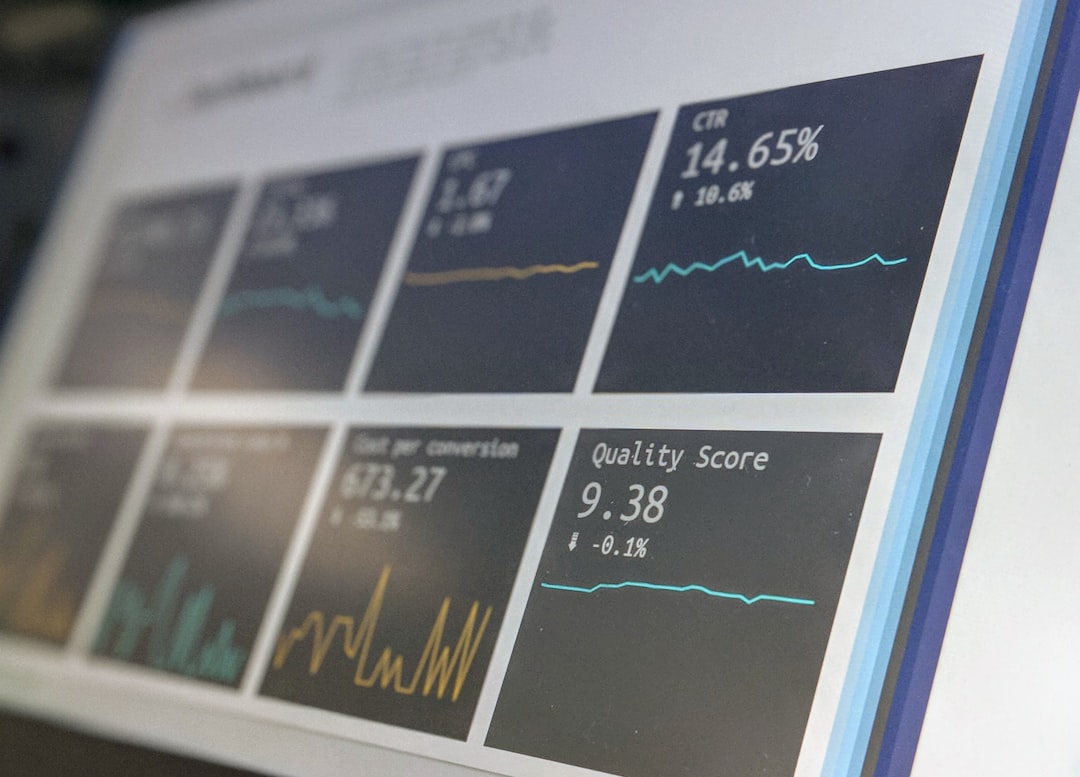
- Usable dashboards: Mid-sized teams need clear visuals, not overly technical reporting environments that require constant IT support.
Best Types of Spend Visibility Solutions
1. Procurement Suite Platforms
Procurement platforms are usually the best fit for companies that want visibility plus control over purchasing workflows. These systems often include requisitions, purchase orders, supplier management, approval routing, contracts, and analytics.
Best for: Businesses with formal procurement processes, multiple departments buying regularly, and a need to standardize purchasing behavior.
Strengths: Procurement suites provide a broad view of spend before it becomes an invoice. This is important because visibility after payment is useful, but visibility before commitment gives the business more control. These platforms can also improve compliance with preferred supplier agreements.
Consideration: Implementation can be more involved than lighter tools. Mid-sized companies should confirm that the platform can be configured without excessive consulting costs.
2. Expense and Corporate Card Management Tools
Expense platforms and corporate card systems are strong choices for businesses where employee-driven spending is a major concern. They typically track travel, subscriptions, meals, software purchases, and departmental card usage.
Best for: Companies with distributed teams, frequent employee purchases, or a need to control card-based spending.
Strengths: These solutions often provide quick visibility into spend as it happens. Some allow finance teams to set card limits, merchant restrictions, approval rules, and receipt requirements. They can also reduce the time employees spend preparing expense reports.
Consideration: They may not provide full visibility into invoice-based supplier spend unless integrated with accounts payable or ERP systems.

3. Accounts Payable Automation Platforms
Accounts payable automation tools improve visibility into invoice processing, supplier payments, and approval status. They are particularly useful when a company has many recurring vendor invoices or struggles with manual AP workflows.
Best for: Businesses seeking better control over invoice approvals, payment timing, and supplier records.
Strengths: AP automation platforms can reveal bottlenecks, duplicate invoices, missing purchase orders, and payment risks. They also create a cleaner audit trail, which is important for financial controls and compliance.
Consideration: AP visibility is often retrospective. These systems show what has been invoiced, but they may not fully control purchase decisions before the supplier is engaged.
4. Specialist Spend Analytics Platforms
Spend analytics solutions focus on consolidating and analyzing data from multiple systems. They are often used by companies that already have procurement, accounting, and payment tools but lack one consistent spend picture.
Best for: Mid-sized businesses with multiple entities, fragmented data sources, or complex supplier and category structures.
Strengths: These platforms are designed to cleanse messy data, normalize suppliers, classify categories, and uncover savings opportunities. They are especially helpful before renegotiating contracts or launching procurement improvement programs.
Consideration: Analytics tools identify opportunities, but they may not enforce purchasing behavior unless connected to workflow or payment systems.
Recommended Evaluation Criteria
Before choosing a solution, mid-sized businesses should define what “visibility” means in practical terms. A finance team may want budget tracking, while procurement may want category analytics, and executives may want margin impact. The best selection process starts with measurable objectives.
- Map current data sources: Identify where spend data currently lives, including ERP, accounting software, cards, invoices, purchase orders, and spreadsheets.
- Define key use cases: Examples include reducing software duplication, improving approval compliance, consolidating suppliers, or tracking department budgets.
- Assess integration requirements: Confirm whether native integrations exist for your existing finance stack.
- Review data quality capabilities: Supplier normalization and spend categorization are essential for trustworthy reporting.
- Check scalability: The solution should support growth in users, suppliers, entities, and transaction volume.
- Estimate total cost: Include license fees, implementation, support, training, and internal administration time.
A Practical Use Case
Consider a mid-sized professional services firm with 420 employees, annual revenue of $95 million, and offices in four regions. Its finance team receives invoices through email, employees use corporate cards for software and travel, and department heads maintain separate budget spreadsheets. After implementing a spend visibility platform connected to accounting, cards, and AP workflows, the firm identifies that 12% of supplier records are duplicates and 22 software vendors have overlapping functionality.
Within six months, the business consolidates three project management tools into one approved vendor, reduces unused software licenses by 28%, and improves invoice approval time from 11 days to 5 days. The value is not only cost reduction; leadership gains confidence that spending decisions are visible, explainable, and aligned with policy.

Common Mistakes to Avoid
Even strong software can fail if the implementation is poorly planned. Mid-sized businesses should avoid these common errors:
- Choosing dashboards without data governance: Attractive charts are not useful if supplier names and categories are inaccurate.
- Ignoring user adoption: If employees find purchasing workflows too difficult, they may work around the system.
- Overbuying enterprise complexity: A large, highly customized suite may burden a lean finance team.
- Focusing only on historical reporting: True spend visibility should help prevent poor spend, not merely explain it afterward.
- Failing to assign ownership: Someone must be responsible for maintaining categories, supplier data, and reporting standards.
Final Recommendation
The best spend visibility solution for a mid-sized business is the one that matches its operating reality. If purchasing discipline is the main issue, a procurement suite may be the right foundation. If card spend and employee purchases are the main risk, an expense and corporate card platform may deliver faster results. If invoice processing is slow and opaque, accounts payable automation should be prioritized. If data is scattered across systems, a specialist analytics platform may offer the clearest strategic view.
For most mid-sized companies, the strongest approach is to start with the highest-value pain point, integrate the most important data sources, and build toward a single trusted view of spend. When implemented carefully, spend visibility solutions improve financial control, strengthen supplier negotiations, reduce waste, and give leadership the evidence needed to make better business decisions.