


Audience growth in 2026 will reward organizations that combine clear positioning, consistent content, community participation, and smart distribution. The fastest-growing brands, creators, and businesses will not depend on a single platform or trend; instead, they will build systems that attract attention, convert interest into trust, and keep people engaged over time.
TLDR: Rapid audience growth in 2026 will come from focused messaging, short-form video, community-led engagement, and data-driven content planning. Successful teams will repurpose content across platforms, collaborate with aligned partners, and use AI to speed up production without losing authenticity. The strongest growth strategy will be one that combines visibility, trust, and retention rather than chasing reach alone.
1. Define a Sharp Audience Position
Growth begins with clarity. A brand that tries to speak to everyone often becomes forgettable, while one that speaks directly to a specific audience becomes easier to follow, recommend, and trust. In 2026, successful audience builders will define who they serve, what problem they solve, and why their perspective is different.
This positioning should appear across bios, landing pages, video hooks, email introductions, and community descriptions. A clear message helps algorithms understand the audience and helps humans decide whether to stay.
2. Build Around Short-Form Video
Short-form video will remain one of the strongest discovery tools in 2026. Platforms continue to prioritize quick, engaging, personality-driven content because it keeps users active. Brands and creators that use short videos to educate, entertain, or demonstrate value can reach new audiences faster than through static posts alone.
Effective short videos usually include a strong opening, one clear idea, captions, and a call to action. The goal is not only to go viral, but to create repeatable formats that train viewers to return.

3. Repurpose Content Across Multiple Channels
Rapid growth depends on distribution. A single podcast, webinar, report, or long-form article can become dozens of assets: clips, quotes, carousels, newsletters, infographics, and short posts. This approach allows teams to appear consistently without constantly starting from scratch.
Repurposing also helps different audience segments engage in their preferred format. Some people watch videos, others read emails, and others prefer quick social posts. A strong strategy meets them where they already spend time.
4. Use AI to Increase Output, Not Replace Voice
AI will be a major advantage for content teams in 2026, especially for research, outlines, topic clustering, editing, and performance analysis. However, audiences will become more skilled at recognizing generic content. The best results will come from combining AI efficiency with human judgment, original stories, and expert insight.
AI can help identify trends, draft variations, summarize interviews, and test headline ideas. Still, the brand’s unique point of view should remain visible in every piece of content.
5. Create Community, Not Just Followers
Follower counts can rise quickly, but communities create lasting growth. A community gives people a reason to interact with the brand and with one another. In 2026, strong communities may exist in private groups, comment sections, newsletters, events, live streams, or membership spaces.
Community growth requires participation. Teams should ask questions, respond to comments, highlight members, and create rituals such as weekly discussions or monthly live sessions. People stay where they feel seen.
6. Collaborate With Aligned Creators and Brands
Collaboration remains one of the fastest ways to access a relevant audience. Guest content, co-hosted events, joint newsletters, interviews, and product partnerships can introduce a brand to people who already trust a related voice.
The most effective collaborations are not random. They are based on audience overlap, shared values, and complementary expertise. A smaller partner with a highly engaged audience can often produce better growth than a large but disconnected account.
7. Prioritize Searchable Content
Search behavior is changing, but people still look for answers. In 2026, searchable content will include traditional search engines, social platforms, video platforms, and AI-powered results. Brands that publish useful, well-structured content around specific questions will continue to attract long-term traffic.
Strong searchable content includes clear headings, direct answers, examples, comparisons, and updated information. It should solve real problems, not simply target keywords.
8. Turn Email Into a Growth Engine
Email is often more stable than rented social media attention. When a brand builds an email list, it gains a direct channel for nurturing relationships, launching products, sharing insights, and driving repeat engagement.
In 2026, effective email growth will depend on valuable lead magnets, strong welcome sequences, and consistent editorial quality. A subscriber should quickly understand what they will receive and why it is worth opening.

9. Make Data a Weekly Habit
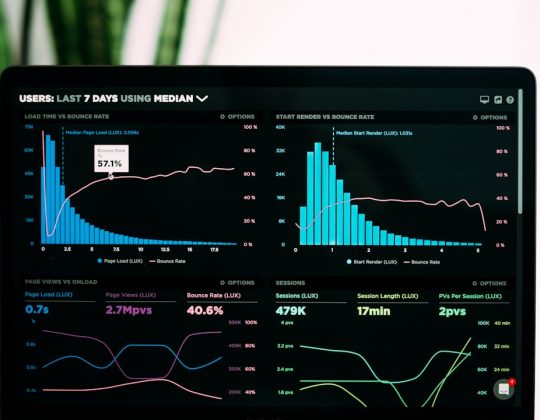
Rapid growth is rarely accidental. Teams that review performance weekly can identify what is working and scale it before momentum fades. Useful metrics include watch time, saves, shares, comments, click-through rates, subscriber growth, retention, and conversion rates.
The key is to avoid vanity metrics alone. A post with fewer views but higher saves or email signups may be more valuable than a viral post that attracts the wrong audience.
10. Develop Repeatable Content Series
Content series help audiences know what to expect. A recurring format, such as weekly expert breakdowns, customer stories, myth-busting posts, trend reports, or live Q&A sessions, makes content production easier and improves audience recognition.
Repeatable formats also help algorithms categorize content. When people engage with a series consistently, platforms receive clearer signals about who should see future posts.
11. Strengthen Social Proof
People follow what others already find valuable. Testimonials, case studies, user-generated content, reviews, media mentions, and audience milestones can all increase credibility. In 2026, social proof will be especially important because audiences will be more cautious about exaggerated claims.
The most persuasive proof is specific. Instead of vague praise, strong social proof shows the problem, the process, and the result. It allows potential followers or customers to imagine a similar outcome.
12. Focus on Retention as Much as Reach
Audience growth is not only about attracting new people; it is also about keeping them. A brand that gains followers but loses attention quickly will struggle to build real momentum. Retention depends on consistency, relevance, quality, and trust.
Teams should create pathways for deeper engagement, such as newsletters, communities, events, guides, and exclusive content. The goal is to move people from casual awareness to active participation.
Image not found in postmetaPutting the Strategies Together
The strongest audience growth plans in 2026 will combine several of these strategies into one system. For example, a business might publish a weekly long-form article, turn it into short videos, send the key lessons through email, discuss the topic in a community, and collaborate with an expert for added reach.
This system creates multiple discovery points and multiple trust-building moments. It also reduces dependence on any one platform. If social reach drops, email and search can still carry momentum. If search behavior changes, community and partnerships can continue driving attention.
Ultimately, rapid audience growth comes from being easy to discover, easy to understand, and valuable enough to follow. The brands that win in 2026 will not simply post more; they will build smarter growth loops that turn attention into relationships.
FAQ
What is the fastest way to grow an audience in 2026?
The fastest approach is usually a combination of short-form video, collaborations, consistent posting, and a clear niche. However, sustainable growth also requires email capture, community engagement, and valuable content that keeps people returning.
How often should a brand publish content?
There is no universal number, but consistency matters more than intensity. Many teams perform well with several short-form posts per week, one larger content asset, and regular email or community updates.
Is AI content good for audience growth?
AI can support audience growth when it improves research, speed, editing, and idea generation. It becomes less effective when it produces generic content without original examples, expertise, or a distinct voice.
Which metric matters most for audience growth?
No single metric tells the full story. Shares, saves, comments, email signups, watch time, and retention are often more useful than impressions alone because they show deeper interest.
Should brands focus on one platform or many?
Most brands should focus first on one or two primary platforms, then repurpose content across others. This creates depth without ignoring the benefits of broader distribution.