



In today’s competitive digital landscape, capturing and converting website visitors requires more than static banners and generic calls to action. High-performing websites rely on intelligent, behavior-driven popup tools to engage users at precisely the right moment. Popup builder platforms like OptinMonster have become essential for businesses looking to grow email lists, reduce cart abandonment, and increase conversions without damaging the user experience.
TLDR: Popup builder tools such as OptinMonster allow businesses to create highly targeted, behavior-based campaigns that convert visitors into subscribers and customers. With advanced targeting, A/B testing, and deep analytics, these platforms significantly outperform basic popup plugins. When implemented strategically, they enhance user experience rather than disrupt it. Choosing the right tool depends on integrations, customization capabilities, and scalability.
Why Modern Websites Need Advanced Popup Builders
Popups have evolved. What was once considered intrusive marketing is now a sophisticated engagement strategy powered by behavioral data, timing logic, and personalization. The difference lies in how popups are deployed.
Tools like OptinMonster enable businesses to display messages based on:
- Exit intent behavior
- Scroll depth
- Time on page
- Geolocation
- Device type
- Referral source
This level of targeting ensures visitors see relevant offers instead of disruptive interruptions. When used correctly, popups enhance the user journey by presenting value at the most impactful moments.
Core Features of Tools Like OptinMonster
To understand the appeal of platforms like OptinMonster, it is essential to examine the features that set them apart from basic popup plugins.
1. Drag-and-Drop Builder
Modern popup builders provide intuitive, visual editors that allow marketers and business owners to design campaigns without coding knowledge. Customization includes:
- Fonts and color schemes
- Images and video embeds
- Countdown timers
- Multi-step forms
- Gamified elements like spin wheels
This flexibility enables brands to maintain consistent visual identity while creating conversion-optimized offers.
2. Behavioral Targeting and Personalization
What differentiates premium popup tools from free alternatives is intelligent targeting. Behavioral automation allows campaigns to trigger based on real-time visitor actions.
For example:
- An ecommerce store can trigger a discount popup when a user shows exit intent with items in their cart.
- A content publisher can display a subscription offer after a reader scrolls 75% through an article.
- A SaaS company can show demo invitations to returning visitors.
This precision dramatically increases conversion rates compared to static, sitewide popups.
3. A/B Testing and Optimization
Effective conversion strategies rely on data. Tools like OptinMonster include built-in A/B split testing that allows marketers to test:
- Headlines
- Button text
- Images
- Offers and incentives
- Display timing
Small variations often result in measurable performance improvements. Continuous experimentation ensures sustainable growth rather than guesswork.
4. Analytics and Conversion Tracking
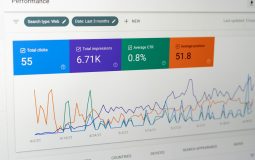
Comprehensive reporting dashboards provide insights into impressions, conversions, and conversion rates. Advanced tools integrate with analytics platforms and CRM systems, enabling deeper analysis of campaign ROI.

Use Cases Across Industries
Popup builder tools are not limited to a single business model. Their versatility allows them to deliver measurable impact across industries.
Ecommerce
Online stores use popups to:
- Reduce cart abandonment
- Promote limited-time discounts
- Upsell related products
- Capture email leads for remarketing
Exit-intent offers alone can recover a significant percentage of abandoning visitors when paired with compelling incentives.
SaaS and Technology
Software companies deploy popups to:
- Encourage free trial signups
- Promote live demos
- Download gated content
- Segment users based on interests
Behavioral targeting is particularly effective in subscription-based businesses where nurturing is critical.
Media and Publishing
Content-driven websites leverage popups to grow email newsletters and paid memberships. Scroll-triggered forms often convert better than immediate popups, as readers have already shown engagement.
Service-Based Businesses
Consultants, agencies, and local services use popups to:
- Offer free consultations
- Provide downloadable guides
- Schedule appointments
- Promote seasonal offers
Key Advantages of Using Established Tools
While basic popup plugins exist, professional-grade platforms offer substantial advantages.
1. Performance Optimization
Reputable tools are designed with performance in mind. Lightweight scripts, caching compatibility, and content delivery optimization ensure that popups do not slow down the site—a critical factor for SEO and user experience.
2. Compliance and Privacy Features
GDPR and other privacy regulations require careful handling of user data. Advanced popup builders include compliance tools such as:
- Consent checkboxes
- Cookie-based targeting controls
- Data management integrations
3. Integration Capabilities
Seamless integration is a hallmark of serious popup platforms. They typically connect with:
- Email marketing services
- CRM platforms
- Ecommerce systems
- Webinar platforms
- Marketing automation software
This allows businesses to feed collected leads directly into automated workflows without manual intervention.

Best Practices for High-Converting Popups
Technology alone does not guarantee results. Execution matters significantly.
Focus on Value
Visitors must perceive immediate value. Discounts, exclusive access, guides, or early access offers consistently outperform generic “Subscribe to our newsletter” prompts.
Optimize Timing
Avoid triggering popups instantly upon page load. Delayed triggers or engagement-based triggers preserve user experience and improve conversion rates.
Limit Campaign Overload
Displaying too many popups can damage brand trust. Establish frequency rules and ensure returning users are not overwhelmed.
Craft Clear Messaging
Use concise headlines and a single, focused call to action. Clarity converts better than complexity.
Continuously Test and Refine
Conversion rate optimization is an ongoing process. Regularly reviewing data and conducting split tests ensures campaigns remain effective as user behavior evolves.
Choosing the Right Popup Builder
When evaluating popup builder tools like OptinMonster and comparable platforms, decision-makers should consider:
- Ease of use: Can non-technical teams manage campaigns?
- Targeting flexibility: Does it support advanced triggers?
- Customization depth: Are templates fully editable?
- Integration ecosystem: Does it connect with essential tools?
- Scalability: Will it support increasing traffic and complexity?
- Support and documentation: Is professional assistance available?
Businesses anticipating growth should prioritize scalability and robust analytics over initial cost savings.
The Strategic Role of Popups in Conversion Optimization
Popups should not be viewed as isolated marketing tactics. They are part of a broader conversion rate optimization strategy that includes landing pages, email marketing, retargeting, and content marketing.
When integrated properly, popup campaigns:
- Increase lead acquisition volume
- Boost revenue per visitor
- Improve customer segmentation
- Enhance remarketing effectiveness
The result is a more predictable and scalable growth framework.
Final Thoughts
Popup builder tools like OptinMonster have transformed how businesses convert website traffic into measurable outcomes. Through intelligent targeting, personalization, testing, and integration, these platforms elevate popups from intrusive interruptions to strategic growth assets.
Organizations that approach popup deployment strategically—prioritizing user experience and data-driven refinement—consistently unlock higher engagement and conversion rates. In an environment where attention is scarce and competition is intense, implementing a robust popup builder is no longer optional; it is a fundamental component of serious digital marketing infrastructure.