



Leading projects successfully requires more than technical knowledge or authority. It demands discipline, structured thinking, and the confidence to guide teams through uncertainty. Professionals trained as Green Belts in process improvement methodologies have long demonstrated these qualities in measurable ways. Their approach to leadership is grounded in data, clarity, and accountability, making their lessons highly relevant for anyone responsible for delivering results in complex environments.
TLDR: Green Belts lead with confidence by relying on data, structured methods, and disciplined communication. Their approach reduces uncertainty, aligns teams around measurable goals, and keeps projects focused on real outcomes. By applying principles such as clear problem definition, stakeholder engagement, and continuous improvement, leaders can increase project success rates. Confidence in leadership grows from preparation, not personality.
While the title “Green Belt” originates from process improvement disciplines like Lean and Six Sigma, the principles embedded in the training extend far beyond manufacturing floors or operational departments. They offer a blueprint for modern project leadership—one founded on logic, transparency, and sustainable performance.
The Foundation: Clarity Before Action
One of the most important lessons Green Belts embody is the discipline of defining the problem before attempting to solve it. Many projects fail not because teams lack effort, but because they pursue solutions to poorly framed issues. Confident leaders avoid this trap by slowing down at the start.
Green Belts rely heavily on structured problem definition techniques, such as:
- Clearly articulated project charters
- Defined scope boundaries
- Stakeholder identification
- Quantifiable objectives
This structured beginning creates alignment and reduces ambiguity. When stakeholders agree on what success looks like, leadership becomes less about persuasion and more about execution. Confidence grows naturally from clarity.

Leaders who skip this stage often find themselves defending shifting goals and managing unnecessary conflict. In contrast, Green Belts understand that detailed planning at the outset minimizes downstream turbulence. Their confidence comes not from assuming control, but from establishing a reliable framework.
Data Over Assumptions
Another defining characteristic of Green Belt leadership is a refusal to rely solely on anecdotal evidence. In high-pressure environments, it is tempting to make fast decisions based on intuition. While experience matters, confidence built purely on instinct can falter under scrutiny.
Green Belts are trained to:
- Gather relevant data before forming conclusions
- Validate assumptions using measurable evidence
- Distinguish between symptoms and root causes
This evidence-based mindset strengthens credibility. When a leader presents conclusions backed by reliable data, resistance decreases. Decisions appear rational rather than personal. Teams are far more willing to commit when they understand the “why” supported by facts.
Confident project leadership does not mean having all the answers; it means having a reliable method for finding them. The use of root cause analysis, process mapping, and basic statistical tools keeps discussions objective and focused on performance rather than personalities.
The Power of Structured Methodologies
Green Belts are known for working within frameworks such as DMAIC (Define, Measure, Analyze, Improve, Control). While not every project requires formal terminology, the underlying logic is universally applicable.
A structured cycle provides several leadership advantages:
- Predictability in execution
- Clear milestones for tracking progress
- Reduced emotional decision-making
- Accountability at each stage
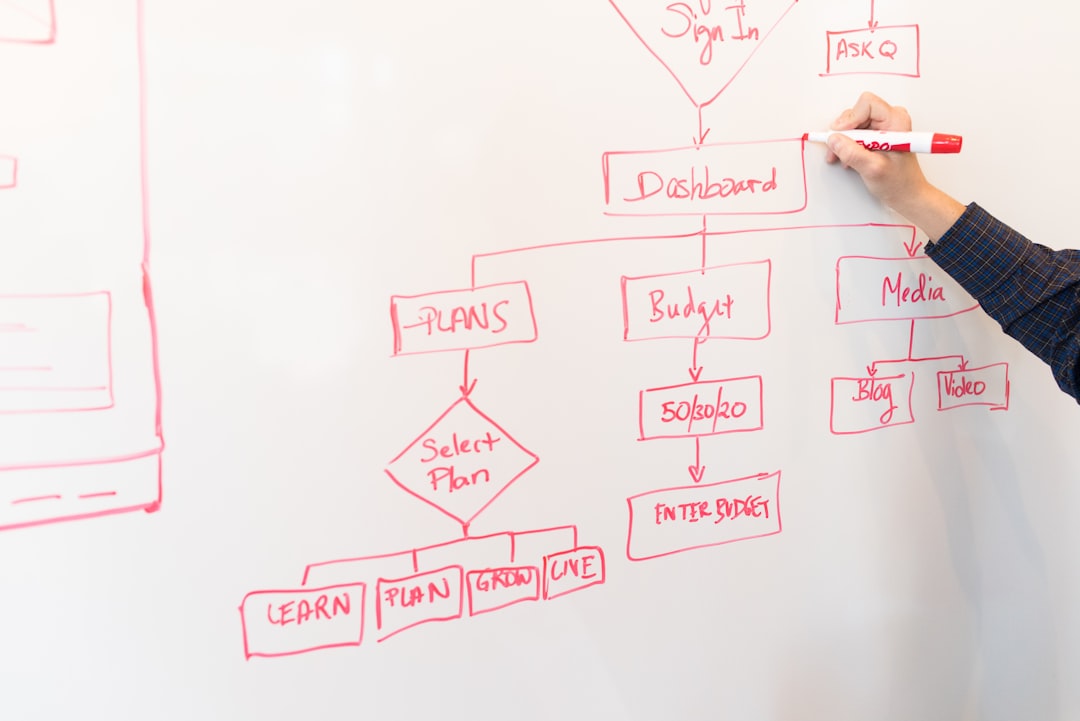
When teams understand the roadmap, they experience less anxiety about uncertainty. A leader who consistently follows a proven structure communicates stability. This stability is often mistaken for charisma—but in reality, it is preparation and discipline.
Project confidence increases when leaders can say, “We are in the analysis phase,” or “We are piloting improvements before full rollout.” These distinctions reassure stakeholders that decisions are deliberate, not impulsive.
Engaging Stakeholders With Intent
Even the most technically sound project can fail without stakeholder buy-in. Green Belts learn early that improvement initiatives live or die based on engagement. Leadership, therefore, becomes an exercise in influence supported by transparency.
Effective stakeholder management includes:
- Early involvement in defining project goals
- Regular communication of measurable progress
- Clear articulation of benefits and trade-offs
- Active listening to concerns and feedback
Confident leaders do not avoid dissenting opinions. Instead, they invite scrutiny because they trust their preparation. They use data and structured analysis to address doubts constructively. This approach transforms potential conflict into productive dialogue.
By contrast, leaders who rely on authority alone often encounter resistance. The Green Belt model emphasizes that influence rooted in facts and shared objectives is stronger than influence rooted in hierarchy.
Managing Risk Without Paralysis
Risk is inherent in every project. Budget constraints, shifting market conditions, and internal resource limitations create constant pressure. Green Belts approach risk management systematically rather than reactively.
Key practices include:
- Identifying potential failure points early
- Prioritizing risks based on impact and likelihood
- Testing solutions on a small scale before full implementation

This measured approach prevents overreaction. Instead of fearing risk, confident project leaders anticipate and prepare for it. They understand that risk cannot be eliminated, only managed intelligently.
By piloting changes and implementing control mechanisms, Green Belts ensure that improvements are sustainable. Leaders who practice this discipline create environments where experimentation is controlled and learning is continuous.
Focus on Measurable Results
Confidence in leadership is reinforced when results are visible. Green Belts define success in quantifiable terms—reduced defects, shorter lead times, cost savings, or improved customer satisfaction scores.
This metrics-driven approach offers three important leadership benefits:
- Objective evaluation of progress
- Justification for resource allocation
- Recognition of team contributions
Celebrating measurable wins strengthens morale and reinforces accountability. Teams gain confidence when they see clear evidence that their efforts produce meaningful outcomes. Leaders, in turn, build credibility by demonstrating tangible impact.
Emotional Discipline Under Pressure
While methodology is critical, the human dimension cannot be ignored. Projects inevitably face setbacks—missed deadlines, data inconsistencies, unexpected resistance. Green Belts are trained to respond with analytical calm rather than blame.
This emotional discipline stems from trust in the process. When a leader knows there is a structured way to investigate setbacks, panic is replaced with curiosity. Questions become:
- What does the data suggest?
- Where did variance occur?
- What corrective action aligns with our objectives?
By modeling composure, leaders stabilize their teams. Confidence becomes contagious. Rather than escalating tension, challenges are reframed as opportunities for refinement.
Building a Culture of Continuous Improvement
Perhaps the most enduring lesson from Green Belts is that project leadership does not conclude at implementation. Sustainable success requires ongoing monitoring and adjustment.
Control mechanisms such as performance dashboards, documented standard operating procedures, and regular review meetings ensure gains are maintained. More importantly, they signal that improvement is not a one-time event but an organizational habit.
Leaders who adopt this mindset move beyond managing individual projects. They cultivate cultures where questioning inefficiency is encouraged and experimentation is normalized. Over time, this builds organizational resilience.
Translating Green Belt Lessons to Any Leadership Role
Whether in healthcare, technology, finance, or public service, the principles demonstrated by Green Belts remain relevant. To lead projects with confidence, consider applying the following distilled practices:
- Define problems precisely before proposing solutions.
- Use data to inform decisions and reduce bias.
- Follow structured methodologies to guide execution.
- Engage stakeholders transparently and consistently.
- Measure results and enforce accountability.
- Maintain composure through disciplined analysis.
None of these behaviors depend on personality type. They require commitment, preparation, and consistency. The confidence associated with effective leaders is rarely spontaneous. It is built on reliable systems that support informed action.
Conclusion
Leading projects with confidence is not about projecting certainty in every moment. It is about creating conditions where uncertainty is addressed methodically and collaboratively. Green Belts exemplify this approach by combining analytical rigor with disciplined communication and stakeholder engagement.
Their lessons demonstrate that trustworthy leadership arises from clarity, data-driven insight, and structured execution. When leaders adopt these principles, they transform projects from risky undertakings into controlled opportunities for improvement. In doing so, they inspire confidence not through charisma, but through competence.
In an environment where complexity continues to increase, such competence is not optional—it is essential.