




Modern software development depends on collaboration, and collaboration depends on clarity, accountability, and structured communication. As teams scale across departments, time zones, and even continents, managing code contributions becomes increasingly complex. Code review platforms have emerged as essential infrastructure for organizations that want to maintain high-quality software while enabling rapid, distributed development. These platforms do far more than simply display changes in code—they orchestrate workflows, enforce standards, and preserve institutional knowledge.
TLDR: Code review platforms are critical tools for managing collaborative software development at scale. They streamline feedback, enforce coding standards, improve code quality, and provide transparency across teams. By integrating with version control and CI/CD systems, they reduce risk while accelerating delivery. Organizations that invest in structured code review processes consistently produce more secure, maintainable, and reliable software.
At their core, code review platforms provide a structured environment where developers can examine, discuss, and refine changes before those changes are merged into a primary branch. This process is not merely technical—it is procedural and cultural. A mature review culture fosters accountability, shared ownership, and continuous improvement across engineering teams.
The Strategic Importance of Code Review
Code review is often associated with catching bugs, but its benefits are significantly broader. A well-managed review process provides:
- Quality assurance: Identifies logic errors, edge cases, and performance concerns early.
- Security validation: Detects vulnerabilities before deployment.
- Knowledge sharing: Spreads architectural understanding across the team.
- Consistency: Enforces coding standards and style guides.
- Risk mitigation: Prevents defective code from reaching production environments.
Without a dedicated platform, these objectives become difficult to manage at scale. Informal reviews via messaging tools or ad hoc screen sharing create fragmented conversations, no permanent record of decisions, and inconsistent approval processes. Code review platforms centralize these interactions and formalize them into repeatable workflows.
Core Features of Modern Code Review Platforms
While features vary by vendor and deployment model, most professional-grade platforms share common capabilities designed to streamline collaboration.
1. Pull Request or Merge Request Management
Pull requests (PRs) or merge requests are the backbone of collaborative development. Developers submit code changes in structured units, allowing reviewers to examine differences line by line, add comments, and request changes.
Effective pull request systems offer:
- Side-by-side diff views
- Inline commenting
- Status indicators
- Approval workflows
- Integration with issue tracking systems
This structured approach ensures transparency and traceability. Every change is documented, reviewed, and archived.
2. Workflow Automation
Automation reduces manual overhead and enforces governance. Platforms commonly integrate with:
- Continuous Integration (CI) systems
- Automated testing frameworks
- Static code analysis tools
- Security scanners
Before code can be merged, automated checks validate formatting rules, test coverage thresholds, and vulnerability scans. This removes the burden of routine verification from human reviewers, allowing them to focus on logic and design.
3. Role-Based Permissions
Larger organizations require granular access control. Code review platforms allow administrators to define permissions based on role, such as:
- Contributor
- Reviewer
- Maintainer
- Administrator
This ensures compliance with internal governance policies and regulatory requirements while maintaining development velocity.
4. Audit Trails and Historical Tracking
Every discussion, revision, and approval is logged. Historical transparency is particularly valuable when:
- Investigating production defects
- Reviewing architectural decisions
- Conducting compliance audits
- Onboarding new engineers
The ability to trace the origin of a change—who authored it, who approved it, and what feedback was considered—creates a durable record of decision-making.
Enhancing Distributed Team Collaboration
Remote and hybrid work environments have made asynchronous collaboration the norm. Code review platforms provide a structured alternative to real-time meetings, allowing contributors to review and respond across time zones.
Rather than relying on informal explanations, reviewers can point directly to specific lines of code and provide contextual feedback. This reduces ambiguity and ensures that technical reasoning is preserved in writing.

Key collaboration benefits include:
- Asynchronous feedback cycles
- Reduced meeting overhead
- Transparent discussion threads
- Documented architectural rationale
Distributed teams often report improved clarity when adopting structured platforms compared to informal communication channels.
Maintaining Code Quality and Standards
Consistency in naming conventions, file structure, and documentation style becomes difficult as teams grow. Code review platforms enable the systematic enforcement of:
- Formatting standards
- Naming conventions
- Documentation requirements
- Dependency management policies
By combining automated linters with manual inspection, teams strike a balance between mechanical enforcement and human judgment. This dual-layer review process produces cleaner, more maintainable codebases.
Beyond syntax and structure, reviewers assess architectural alignment. Are changes consistent with established design patterns? Do they introduce unnecessary coupling? Do they degrade performance? A robust review culture addresses these questions before code reaches integration environments.
Security and Compliance Considerations
Security vulnerabilities frequently originate from oversight rather than ignorance. Code review platforms reduce such risk through layered verification processes. Automated scanning tools identify common weaknesses, while human reviewers evaluate contextual business logic for potential abuse cases.
Industries subject to regulatory frameworks—such as healthcare, finance, or government—benefit particularly from documented review processes. Audit-ready trails demonstrate adherence to standards and provide defensible evidence of internal controls.
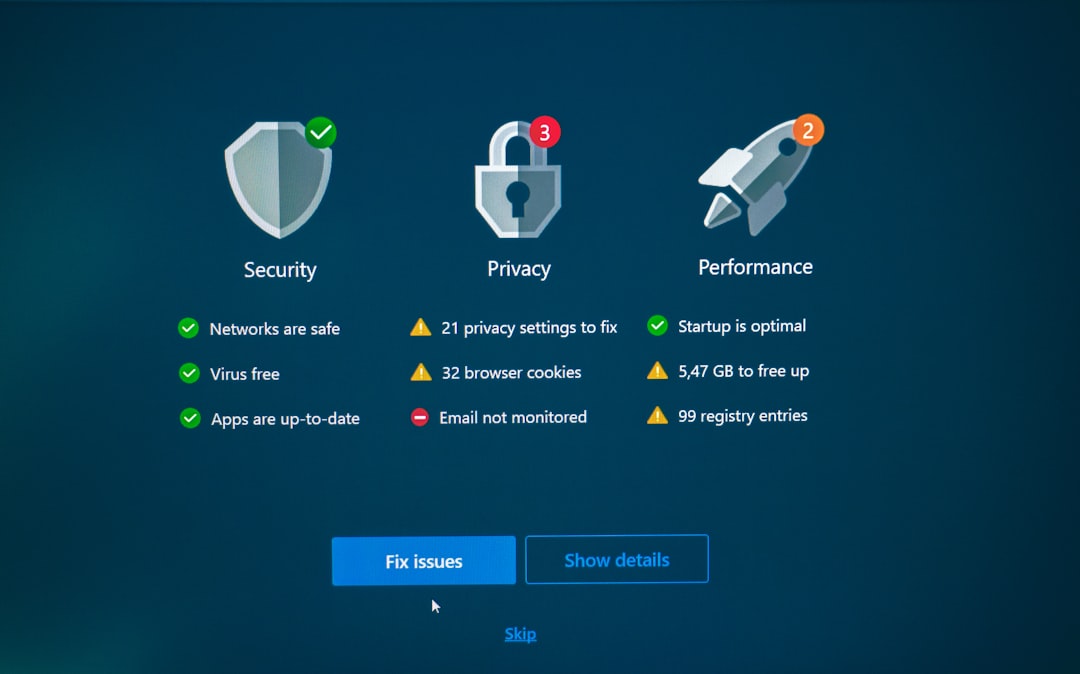
When combined with branch protection rules, required approvals, and deployment gating, review platforms form an integral part of a secure development lifecycle.
Scaling Across Large Organizations
Enterprise-level engineering teams may include hundreds or thousands of contributors. In such environments, unmanaged collaboration leads to:
- Duplicated efforts
- Conflicting changes
- Inconsistent architectural decisions
- Reduced accountability
Code review platforms introduce structure and uniformity across repositories and departments. Standardized review templates, shared guidelines, and centralized dashboards allow leadership to monitor review throughput and identify bottlenecks.
Metrics commonly tracked include:
- Average review time
- Number of comments per pull request
- Time to merge
- Frequency of post-merge defects
Data-driven insights enable continuous process improvement without compromising development speed.
Balancing Speed with Thoroughness
A common concern is that code review slows development. In reality, disciplined review reduces downstream delays. Catching defects early prevents costly rework, emergency patches, and production outages.
Best practices for maintaining balance include:
- Keeping pull requests small and focused
- Establishing clear turnaround expectations
- Using automation to eliminate trivial feedback
- Encouraging constructive, concise commentary
When properly implemented, review platforms accelerate delivery by minimizing uncertainty and avoiding instability in shared branches.
Cultivating a Healthy Review Culture
Technology alone does not guarantee effective collaboration. Organizations must foster a culture where feedback is professional, objective, and improvement-oriented. Review comments should focus on code, not individuals. Constructive suggestions encourage learning and mentorship rather than defensiveness.
Leadership plays a crucial role in reinforcing expectations. Review processes should be documented, standardized, and consistently applied, regardless of seniority. When executives and senior engineers submit their own code to the same review channels, it reinforces shared accountability.
Encouraging mentorship through review also strengthens long-term team capability. Junior developers learn idiomatic patterns, performance considerations, and architectural principles directly from experienced peers.
Integration with the Broader Development Ecosystem
Code review platforms deliver maximum value when integrated into the broader development lifecycle. This typically includes:
- Version control repositories
- Project management systems
- Continuous integration pipelines
- Deployment automation tools
- Monitoring and observability platforms
This interconnected environment creates a seamless feedback loop from code submission to production monitoring. If an issue arises post-deployment, teams can quickly trace it back to the original change request and discussion.
Conclusion
Code review platforms have evolved into foundational components of professional software development environments. They transform informal code inspection into a disciplined, transparent, and auditable process that supports quality, security, and scalability.
In an era where organizations depend on software reliability to maintain competitive advantage, unmanaged collaboration is no longer viable. By implementing robust code review platforms and cultivating a thoughtful review culture, businesses strengthen technical resilience while empowering teams to innovate with confidence. The investment in structured code collaboration pays dividends in stability, security, and sustained engineering excellence.