


Khan Academy Kids is the safest first pick for most families, while Pok Pok is best for calm open-ended play, and Toca Boca Jr is best for playful drawing and character-based creativity. If your child is under 8, these three apps cover very different needs. Khan Academy says its kids app is free, has no ads, and has no subscriptions [source: Khan Academy], which gives it a strong trust advantage right away.
TLDR: Choose Khan Academy Kids if you want reading, math, stories, and drawing in one free app. Pick Pok Pok if your child is 2 to 6 and needs quiet play without scores or noisy rewards. Pick Toca Boca Jr if your child loves silly characters, pretend play, and making visual scenes; for example, a 5-year-old with 20 minutes after dinner may spend 70% of that time creating in Toca Boca Jr, while Khan Academy Kids gives more structured learning during the same session.
Best overall: Khan Academy Kids
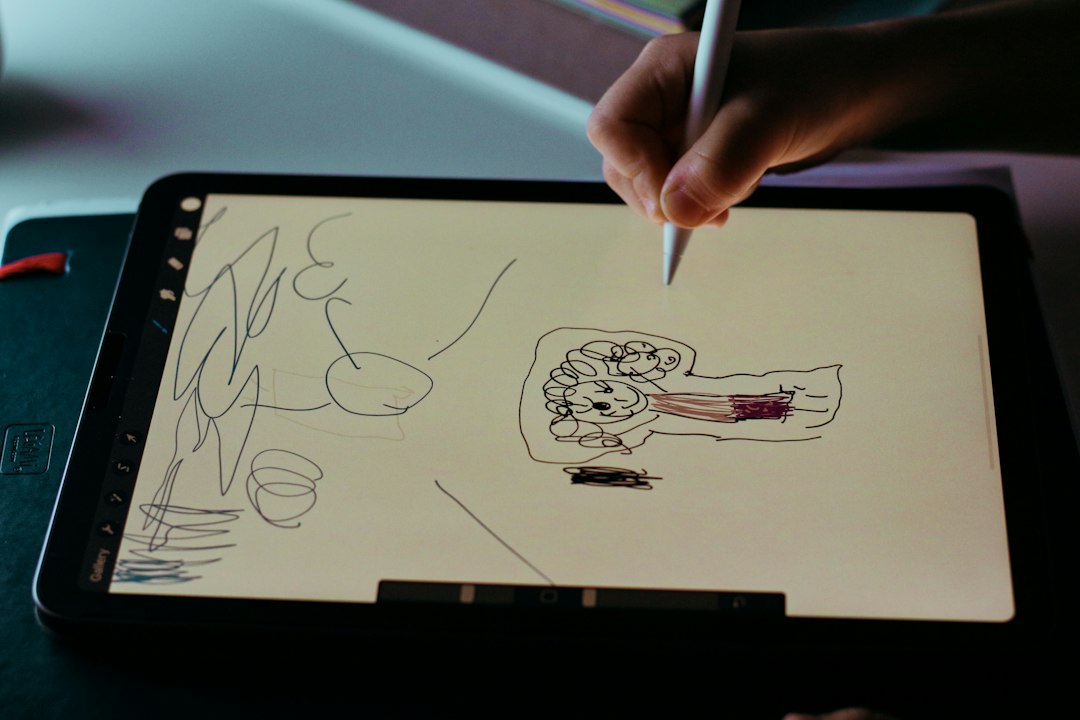
Khan Academy Kids is the most practical choice for parents who want learning without payment pressure. It covers early reading, math, logic, stories, songs, and simple drawing tasks. The app feels organized. A child can open it and start quickly, without a parent answering five setup questions every time.
The best part is the mix of guided lessons and creative activities. Kids can trace letters, listen to books, count objects, and color. It does not feel like a worksheet app, which helps. Some children reject anything that smells like homework. This app softens that problem with friendly characters and short tasks.
The catch is that the drawing tools are basic. If your child wants to build worlds, design clothes, or make weird little scenes, Khan Academy Kids may feel limited after a while. It teaches well. It entertains well enough. But it is not the strongest art app of the three.
- Best for: ages 2 to 8, especially preschool and early primary school.
- Strength: free learning with no ads or subscriptions.
- Weak spot: less creative freedom than Pok Pok or Toca Boca Jr.
Best for calm creativity: Pok Pok
Pok Pok feels very different from most kids’ apps. There are no flashing prizes every ten seconds. There are no loud “great job!” pop-ups after every tap. That is rare, and honestly, it is refreshing.
Pok Pok works more like a digital toy shelf. Children explore rooms, objects, sounds, and small systems. They can sort, move, tap, test, and invent their own little stories. It is not a strict drawing app, but it builds the same skills that matter for art: observation, patience, planning, and imagination.
This app is especially good for kids who get overstimulated by fast games. A 4-year-old can spend 15 minutes arranging food, caring for pretend animals, or playing with shapes. There is no pressure to win. That makes it a good fit before bed or during quiet time.
The downside is cost. Pok Pok usually requires a subscription after a trial. It also may confuse parents who expect obvious lessons. You will not always see a clear “today my child learned the number 6” moment. The learning is softer. Still useful, but less easy to measure.
- Best for: ages 2 to 6.
- Strength: peaceful open play and strong creative thinking.
- Weak spot: less direct academic content.
Best for playful drawing: Toca Boca Jr
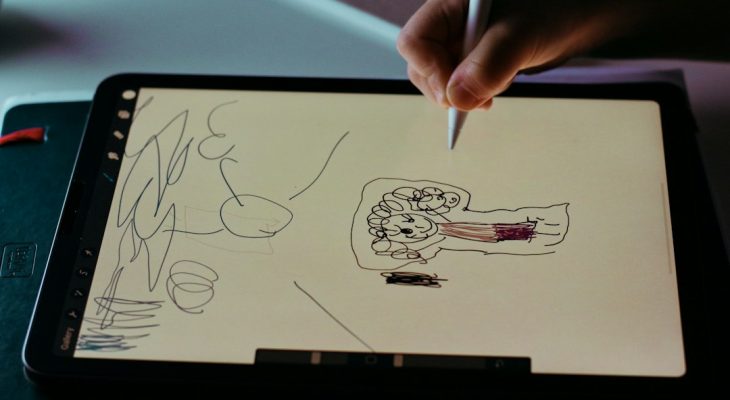
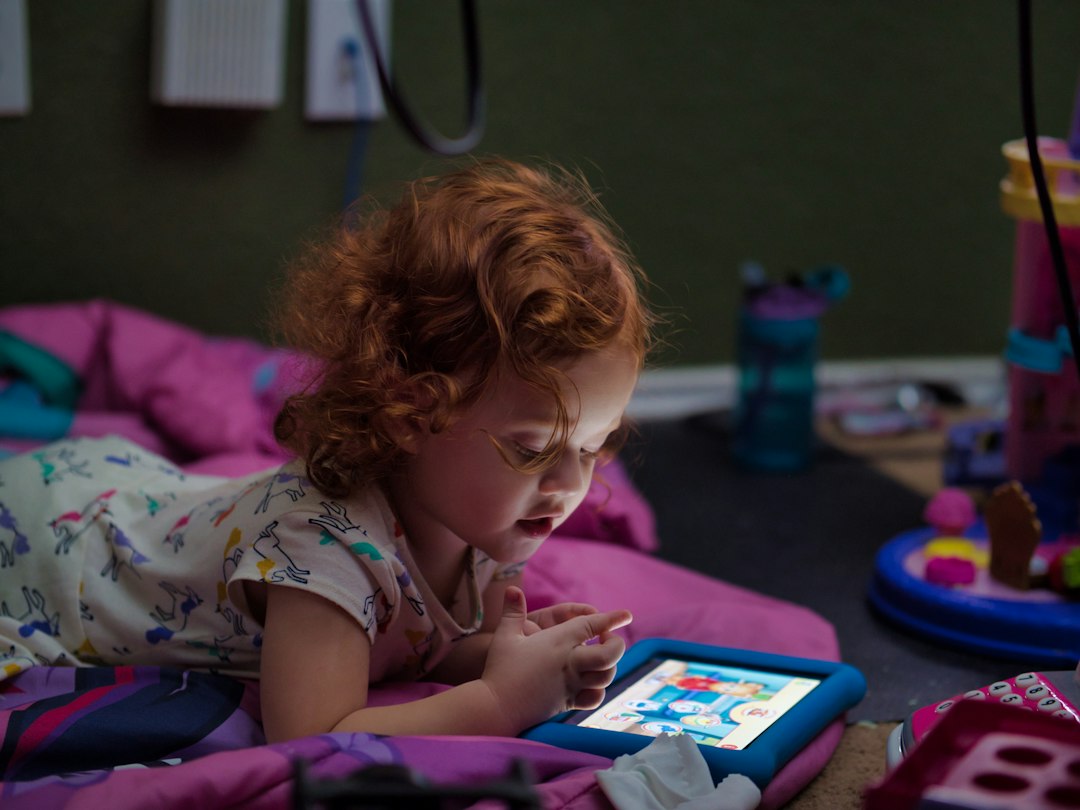
Toca Boca Jr is the most playful choice here. It leans into humor, free play, odd characters, and hands-on creation. Kids can dress characters, style hair, build scenes, cook strange meals, and experiment with visual ideas. It is not trying to feel like school. That is the point.
For drawing and creative play, Toca Boca Jr has a strong pull. Children can make choices quickly and see funny results. That instant response keeps them engaged. It also helps shy kids express ideas without needing perfect fine motor skills.
It drives me crazy that some kids’ creative apps hide the best parts behind paywalls after the child is already excited. Toca Boca Jr can fall into that paid-app problem, depending on your plan and region. Parents should check the subscription terms before handing over the tablet. Nobody wants a meltdown after a child finds out the activity they liked is locked.
Toca Boca Jr is weaker for structured learning. It may build imagination, storytelling, and cause-and-effect thinking. But it will not replace a phonics or early math app. Use it as a creative tool, not as your main learning plan.
- Best for: ages 3 to 7.
- Strength: funny, expressive, visual play.
- Weak spot: less educational structure and possible subscription limits.
Side-by-side verdict
| App | Best use | Main concern |
|---|---|---|
| Khan Academy Kids | Reading, math, stories, basic drawing | Creative tools are simple |
| Pok Pok | Calm exploration and open-ended play | Learning is less obvious |
| Toca Boca Jr | Drawing, characters, pretend play | Costs and locks may annoy families |
Which one should you install first?
If you want one app only, start with Khan Academy Kids. It gives the best balance of trust, learning, and price. It is also low risk, since it is free.
If your child already gets letters and numbers elsewhere, add Pok Pok for quiet creative play. It is a strong screen-time choice for parents who hate noisy reward loops. If your child loves making characters, scenes, and silly stories, add Toca Boca Jr. It gives kids more room to be weird, which is often where real creativity starts.
The smartest setup is simple: Khan Academy Kids for learning, Pok Pok for calm play, and Toca Boca Jr for expressive art. Rotate them by mood. Use Khan Academy Kids in the morning, Pok Pok during quiet time, and Toca Boca Jr when your child wants to create something funny. That mix gives kids structure without draining the fun out of the tablet.