

Free automatic online voting bots are a bad answer to a real problem: they distort results, break trust, and can violate platform rules or law. Legitimate polling and survey platforms solve the same need in a safer way. They help collect opinions, count votes, and block repeat submissions without faking support.
TLDR: An “automatic online voting bot free” tool usually means fake votes, weak data, and a high risk of bans or damaged credibility. A proper survey or polling platform gives verified responses, audit trails, and cleaner reports. For example, a school club choosing an event theme might receive 420 votes, but if 38% come from repeat devices or suspicious traffic, the result becomes useless. A legitimate platform can flag that pattern before the club books the wrong venue.
What People Usually Mean by an Automatic Online Voting Bot
The phrase automatic online voting bot free often refers to software that submits votes without real human participation. It may be used to push a contestant ahead, inflate a public poll, or create the appearance of popularity. That sounds tempting to some users because it promises quick wins with no cost.
The catch is that the “free” part usually costs something else. It can cost trust, data quality, access to an account, or the reputation of a brand, creator, student group, or campaign. Public polls are already fragile. A bot makes them worse.
Many of these tools also come with security risks. Some ask for logins. Some trigger malware warnings. Others simply do not work. Reviewers often say it drives them crazy that a tool takes 12 extra seconds per attempt, fails half the time, and still leaves obvious voting patterns behind. That is not automation. That is messy fraud with a timer.
Online Voting Automation Is Not Always Bad
Automation itself is not the enemy. Bad intent is the problem. Legitimate automation can help poll owners manage surveys, clean responses, send reminders, and export reports. It can also detect abuse.
For example, a survey platform may automate:
- Invitation emails to approved participants.
- Reminder messages for people who have not replied.
- Duplicate response checks based on safe signals.
- Vote closing times for contests and elections.
- Report generation for charts, summaries, and exports.
- Fraud alerts when unusual spikes appear.
This type of automation supports fairness. It does not pretend that fake people exist. It saves staff time while keeping the result closer to reality.
Bots vs Legitimate Polling Platforms
The difference is simple. A bot tries to create votes. A legitimate platform tries to collect real opinions.
| Feature | Voting Bot | Legitimate Platform |
|---|---|---|
| Goal | Inflate or manipulate outcomes | Gather valid responses |
| Identity Control | Usually weak or hidden | Can use email, access codes, or member lists |
| Data Quality | Poor and biased | Cleaner and easier to audit |
| Risk | Bans, disputes, legal issues | Lower risk when configured well |
| Use Case | Manipulation | Research, feedback, contests, internal votes |
That split matters. A creator may think a bot can help win a fan poll. A company may think it can make a product look popular. In both cases, the win is weak. If the result gets challenged, every future vote from that group becomes suspect.
Why Fake Voting Damages More Than One Poll
Fake voting does not only harm the current result. It trains audiences to distrust the process. When voters suspect fraud, they stop participating. Sponsors may pull out. Organizers may cancel results. Communities may argue for weeks over what should have been a simple decision.
For businesses, bad polling can produce expensive mistakes. If 10,000 fake votes make one packaging design appear popular, a company may invest in the wrong product launch. If a nonprofit uses inflated survey responses, it may send funds to the wrong program. The harm becomes practical and financial.

What Legitimate Platforms Do Better
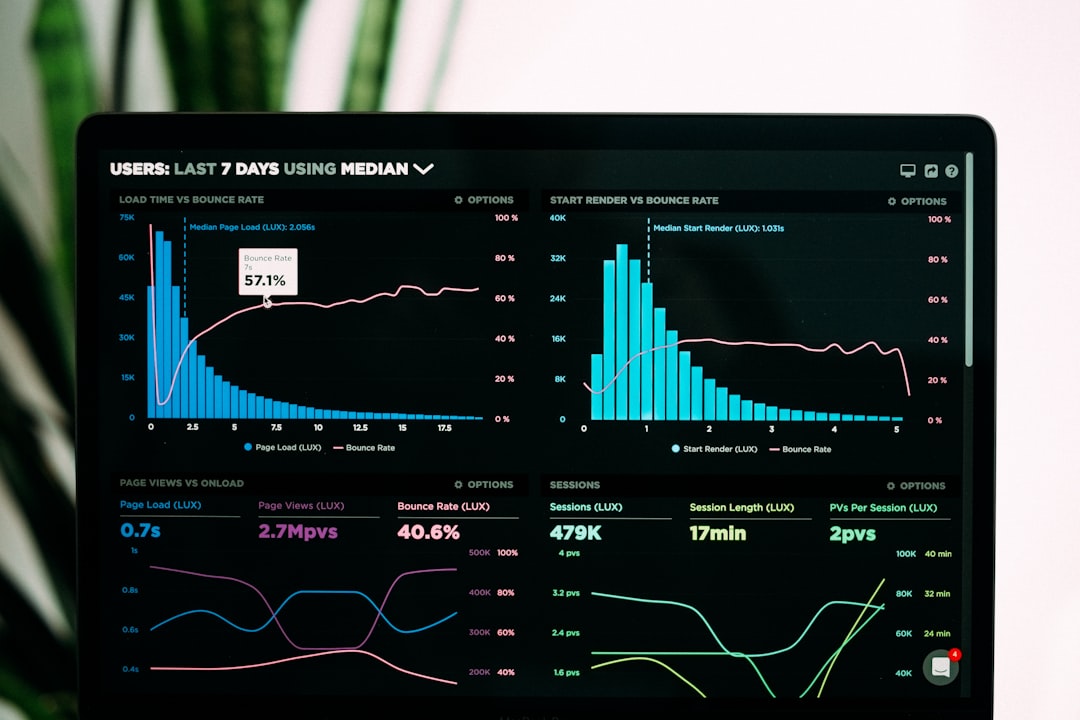
Good polling and survey tools are built around rules. They allow organizers to define who may vote, how often, and when the poll closes. They also create records that help explain the final count.
Common features include:
- Single use links: each participant gets one private voting link.
- Access codes: only invited voters can enter.
- Anonymous mode: identities are protected while duplicate votes are still reduced.
- Randomized answer order: options rotate to reduce position bias.
- Audit logs: administrators can review timing and activity patterns.
- Response limits: polls can close after a set date or sample size.
- Export tools: teams can review data in spreadsheets or reports.
These features do not make every poll perfect. No public internet vote is flawless. Still, they create a fairer process than a free bot ever will.
When Free Polling Tools Are Enough
Free polling tools can work well for low risk cases. A teacher asking students to pick a movie, a team choosing a lunch spot, or a small community rating meeting times may not need advanced controls. A basic form or poll can be fine.
Higher risk votes need stronger controls. Awards, contests, grant choices, school elections, product research, and employee decisions all need better settings. If the outcome has money, status, grades, or public attention attached to it, simple open voting is asking for trouble.
Honestly, it feels like many tools hide key controls behind vague settings. Organizers may need to spend 20 minutes checking whether anonymous voting also allows duplicate submissions. That small setup task is still better than cleaning up a ruined poll later.
How Organizations Should Choose a Voting or Survey System
A smart selection starts with the purpose of the vote. A popularity poll needs different controls from an employee survey. A research survey needs clean sampling. A contest needs anti abuse checks and clear rules.
Organizations should review these points before launching:
- Who is allowed to vote? Open public voting is easier to abuse.
- Is anonymity required? Anonymous does not have to mean uncontrolled.
- What happens if fraud is detected? Rules should be written before launch.
- Can results be audited? A final count without records may not be enough.
- What data is collected? Privacy rules and retention periods matter.
- Can participants access the poll easily? Security should not block real voters.
The Safer Path
The best alternative to a free voting bot is not more aggressive automation. It is better poll design. Clear rules, verified access, fraud checks, and honest reporting protect the result.
Public polls can still be fun. Surveys can still be fast. Online voting can still be simple. The key is to count real people, not scripts. When the goal is truth, legitimate platforms beat bots every time.
FAQ
What is an automatic online voting bot?
It is software that submits votes automatically, often without real human participation. In most public poll contexts, it is used to manipulate results.
Are free online voting bots legal?
Legality depends on the location, platform rules, and use case. Even when no criminal law applies, bots may violate terms of service, contest rules, or contract terms.
Can automation be used ethically in online voting?
Yes. Ethical automation sends reminders, manages voter lists, closes polls on time, detects abuse, and creates reports. It should not create fake votes.
What is the best alternative to a voting bot?
A legitimate polling or survey platform is the better choice. It can provide access controls, duplicate checks, audit logs, and cleaner data.
Are free polling platforms safe for serious votes?
They can be safe for casual polls. Serious votes should use stronger controls, clear rules, and a platform that supports verification and review.
How can poll owners reduce fake votes?
They can use single use links, access codes, closing dates, fraud monitoring, rate controls, and written rules for suspicious activity.