




Finding small, dark insects in a kitchen, bathroom, or break room can be unsettling, especially when they move quickly and disappear into narrow cracks. In many indoor infestations, these insects are not “baby bugs” of an unknown species, but German cockroach nymphs—the immature stage of one of the most common and persistent indoor cockroaches. Correct identification matters because nymphs indicate active breeding, not just an occasional adult entering from outside.
TLDR: German cockroach nymphs are small, wingless, fast-moving roaches that are usually dark brown to nearly black, often with a lighter tan marking on the back. They are commonly found near food, water, warmth, and tight hiding places such as cabinet hinges, appliance motors, and sink areas. Seeing nymphs strongly suggests an established infestation that is reproducing indoors. Identification should be followed by inspection, sanitation, exclusion, and targeted control, preferably with professional guidance for moderate or heavy activity.
What German Cockroach Nymphs Look Like
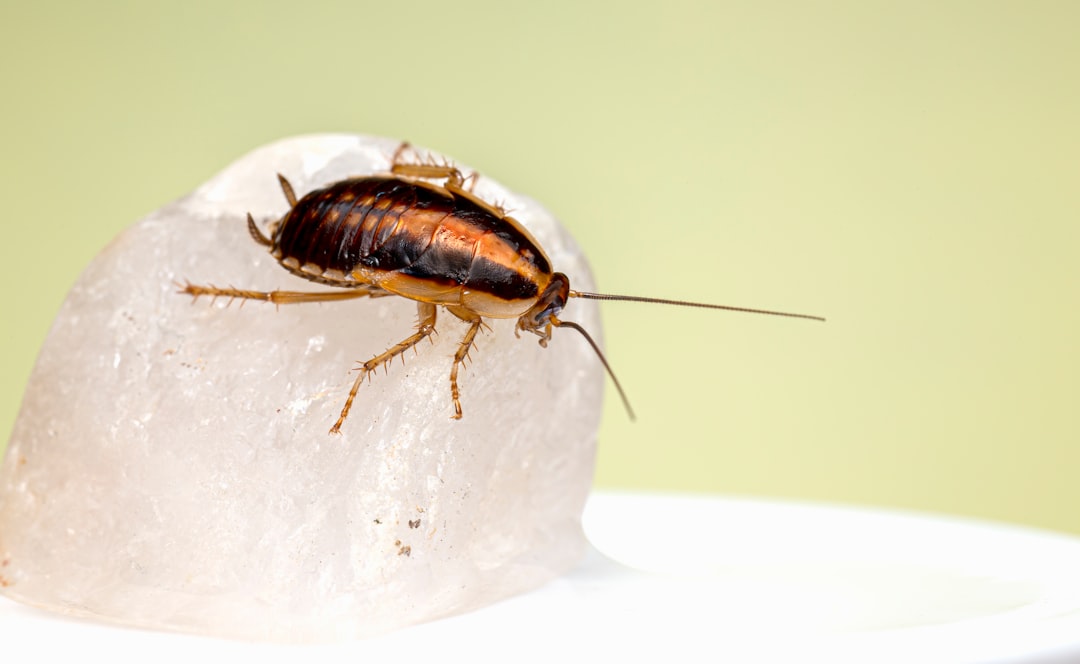
German cockroach nymphs are the immature form of Blattella germanica. Unlike adults, they do not have fully developed wings, and their bodies appear more compact and oval. Their exact appearance changes as they grow, but several features are reliable for identification.
- Size: Newly hatched nymphs are tiny, about 3 mm long. Older nymphs may reach roughly 10 to 12 mm before becoming adults.
- Color: Young nymphs are usually very dark brown to almost black. As they mature, they may show more brown coloration.
- Markings: Many German cockroach nymphs have a lighter tan or yellowish patch or stripe running along the middle of the back.
- Shape: The body is flattened, oval, and built for slipping into narrow cracks.
- Wings: Nymphs are wingless. Wing pads may become slightly visible in later stages, but they cannot fly.
- Movement: They run quickly and tend to scatter when exposed to light.

How Nymphs Differ from Adult German Cockroaches
Adult German cockroaches are generally light brown or tan and have two dark, lengthwise stripes behind the head on the pronotum. They also have fully formed wings, although they rarely fly. Nymphs, by contrast, are darker, smaller, and lack functional wings. The lighter marking on a nymph’s back can sometimes be mistaken for the adult’s twin stripes, but the overall body color and lack of wings are important clues.
A useful comparison is this: adults look more tan and elongated, while nymphs look darker, smaller, and more compact. If you are seeing several sizes of roaches at once—tiny dark nymphs, larger nymphs, and tan adults—that is a strong sign of an active, multi-stage infestation.
Life Cycle and Why Nymphs Are Important
German cockroaches develop through three main stages: egg, nymph, and adult. The female carries a capsule-like egg case, called an ootheca, until shortly before the eggs hatch. One egg case may contain dozens of offspring. After hatching, nymphs molt several times before reaching adulthood.
Under favorable indoor conditions—warm temperatures, food, moisture, and shelter—development can be rapid. This is one reason German cockroach problems can expand quickly. Nymphs are not merely a cosmetic concern; they are evidence that cockroaches are reproducing nearby. A single adult seen near a doorway may be accidental, but multiple nymphs found indoors usually point to a resident population.
Where German Cockroach Nymphs Are Commonly Found
German cockroach nymphs prefer tight, protected areas close to food and water. Because they are small and flattened, they can hide in spaces that are easy to overlook during casual cleaning.
- Kitchens: Under sinks, behind refrigerators, around dishwashers, near stoves, inside cabinet corners, and behind baseboards.
- Bathrooms: Around plumbing penetrations, vanity cabinets, pipe chases, and wall voids near moisture.
- Appliances: Inside or behind microwaves, coffee makers, refrigerator motors, vending machines, and countertop equipment.
- Commercial spaces: Break rooms, food preparation areas, storage rooms, and janitorial closets.
- Hidden gaps: Cracks around cabinets, loose trim, drawer tracks, wall outlets, and door frames.

Nymphs are most often seen at night. If they are visible during the day, especially in open areas, it may indicate crowding, disturbance, or a larger infestation. However, even a few nymphs should be taken seriously.
Distinguishing German Cockroach Nymphs from Similar Insects
Several insects may be confused with German cockroach nymphs, especially when seen briefly. Careful observation helps avoid misidentification.
- Brown-banded cockroach nymphs: These may also be small and brown, but they are often found in warmer, drier rooms and may show banded patterns across the body.
- Oriental cockroach nymphs: These tend to be darker and more robust. They are often associated with damp basements, drains, and lower-level areas.
- American cockroach nymphs: These grow much larger than German cockroach nymphs and are commonly linked with sewers, boiler rooms, and larger voids.
- Beetles: Small beetles are often harder-shelled and slower, with a more rounded or domed body shape.
- Bed bugs: Bed bugs are flatter, broader, and do not have the same quick, darting movement. They are usually associated with sleeping areas rather than kitchens.
If possible, capture a specimen on clear tape or in a small sealed container. A pest management professional, extension service, or trained inspector can often confirm the species quickly from a sample or clear photograph.
Signs That Support Identification
German cockroach nymphs rarely appear alone. Other evidence can help confirm that the insects are part of a German cockroach infestation.
- Droppings: Small dark specks resembling black pepper or coffee grounds, often found in drawers, cabinet corners, and along walls.
- Smear marks: Dark, irregular stains in humid areas or along repeated travel paths.
- Egg cases: Brown, capsule-shaped oothecae may be found near harborages, though females often carry them until hatching.
- Molted skins: As nymphs grow, they shed their outer covering, leaving pale or brownish cast skins behind.
- Odor: Heavy infestations may produce a musty or oily smell.
What to Do After Finding Nymphs
Identification is only the first step. Because nymphs signal reproduction, control should focus on the entire population and its hiding places. Spraying visible insects alone is usually insufficient and may scatter cockroaches deeper into walls or cabinets.
- Inspect carefully: Use a flashlight to check cracks, hinges, appliance backs, plumbing gaps, and warm electrical areas.
- Reduce food access: Store food in sealed containers, clean grease film, empty crumbs from drawers, and avoid leaving pet food out overnight.
- Control moisture: Repair leaks, dry sink areas, and remove standing water.
- Seal harborages: Caulk cracks around cabinets, pipes, and baseboards where practical.
- Use monitoring traps: Sticky traps placed near suspected harborages can show activity levels and movement patterns.
- Consider professional treatment: Baits, insect growth regulators, and targeted applications are often more effective and safer than broad surface spraying when used correctly.
When to Seek Professional Help
Professional assistance is strongly recommended if you see nymphs repeatedly, find roaches in multiple rooms, notice daytime activity, or manage a food service, healthcare, childcare, or multi-unit property. German cockroaches can spread between apartments or connected spaces, and incomplete treatment may allow the population to rebound.
A trustworthy inspection should identify the species, locate harborages, evaluate sanitation and structural conditions, and use monitoring to measure progress. Because nymphs represent the next generation of the infestation, eliminating them requires a systematic approach rather than a one-time reaction.
In summary, German cockroach nymphs are small, dark, wingless, and usually found close to food, water, and warmth. Their presence is a serious warning sign of indoor breeding. Prompt identification, careful inspection, and targeted control give the best chance of stopping the infestation before it becomes more widespread.