


A strong visual identity helps a tradesperson look professional before a quote is even requested. For builders, electricians, plumbers, landscapers, roofers, painters, mechanics, carpenters, and other contractors, a logo is more than decoration; it is a practical business asset that appears on vehicles, uniforms, invoices, signage, websites, and social media profiles. In competitive local markets, a well-designed tradie logo can make a business easier to recognise, easier to trust, and easier to remember.
TLDR: A tradie logo should be clear, professional, memorable, and suitable for real-world use on vans, workwear, tools, and digital platforms. The best logos for trades and contractors usually have simple shapes, strong typography, practical colours, and industry-relevant cues without becoming cluttered. A good logo helps create trust, improve brand recognition, and position a trade business as reliable and experienced. Investing in thoughtful branding can support long-term growth and stronger customer confidence.
Why Logo Design Matters for Trades and Contractors
Trades and contracting businesses often rely on local reputation, word of mouth, repeat customers, and visible presence in the community. A logo plays a central role in that visibility. When a homeowner sees the same mark on a van, a job site sign, a business card, and a website, the business begins to feel established and trustworthy.
For many customers, hiring a contractor involves uncertainty. They may be inviting someone into their home, approving a significant repair, or committing to a renovation project. A polished tradie logo suggests that the business takes itself seriously. It can communicate reliability, skill, care, and professional standards before any conversation begins.
A weak or generic logo, on the other hand, may make a capable tradesperson appear less experienced than they really are. Poor typography, low-resolution artwork, confusing symbols, or inconsistent colours can reduce confidence. In trades where trust is essential, visual presentation has a direct impact on perception.
The Core Qualities of an Effective Tradie Logo
An effective logo for a trade business does not need to be complicated. In fact, the most successful designs are often simple, bold, and highly legible. A contractor’s logo must work in busy environments, from the side of a moving vehicle to the chest of an embroidered work shirt.
- Clarity: The business name and symbol should be easy to read and understand at a glance.
- Relevance: The design should feel connected to the trade or service category without relying on clichés.
- Scalability: The logo should look good on a small invoice header and a large vehicle wrap.
- Durability: The style should remain useful for years rather than following a short-lived trend.
- Memorability: A distinctive shape, colour, or type treatment can help customers recognise the brand again.
For contractors, practicality is especially important. A delicate logo with fine lines may look attractive on a screen but fail when stitched onto a uniform or printed on a dark toolbox. A strong tradie logo is designed for the environments in which it will actually appear.
Understanding the Trade Business Before Designing
Before a logo is created, the business itself should be understood. A logo for a high-end residential builder may need to feel refined, architectural, and premium. A logo for an emergency plumber may need to feel fast, dependable, and direct. A logo for a landscaping contractor may benefit from natural colours and organic shapes, while a logo for an electrician may use sharper geometry and energetic colour accents.
Important brand questions include:
- What specific trade or service does the business provide?
- Does the company serve residential, commercial, industrial, or government clients?
- Is the brand personality rugged, premium, friendly, technical, traditional, or modern?
- What geographic area does the business operate in?
- What makes the contractor different from local competitors?
These details help shape a logo that is not just attractive, but strategically useful. A family-owned carpentry business may want to emphasise craftsmanship and heritage, while a fast-growing electrical contractor may want a clean, modern identity that supports a larger team and fleet.
Choosing the Right Logo Style
Tradie logos can take many forms, but most fall into a few practical categories. Each style has benefits depending on the business name, industry, and brand personality.
Wordmark Logos
A wordmark focuses on the business name using custom or carefully selected typography. This approach works well when the name is distinctive or when the contractor wants a clean, professional identity. Wordmarks are often easy to apply across signage, websites, and uniforms.
Icon and Text Logos
This common format combines a symbol with the business name. The icon may reference a tool, roofline, bolt, pipe, hammer, leaf, house, gear, or abstract shape. This style is flexible because the icon can sometimes be used separately as a social media profile image, app icon, or cap embroidery.
Badge and Emblem Logos
Badges can work well for businesses that want a strong, established, or heritage-inspired appearance. They are popular in construction, mechanics, carpentry, and general contracting. However, the design must remain simple enough to be readable when reduced in size.
Monogram Logos
A monogram uses initials to create a compact mark. This may suit contractors with long business names or family names. A monogram can feel premium and structured, especially in architectural trades, custom building, and specialist services.
Colour Psychology in Tradie Branding
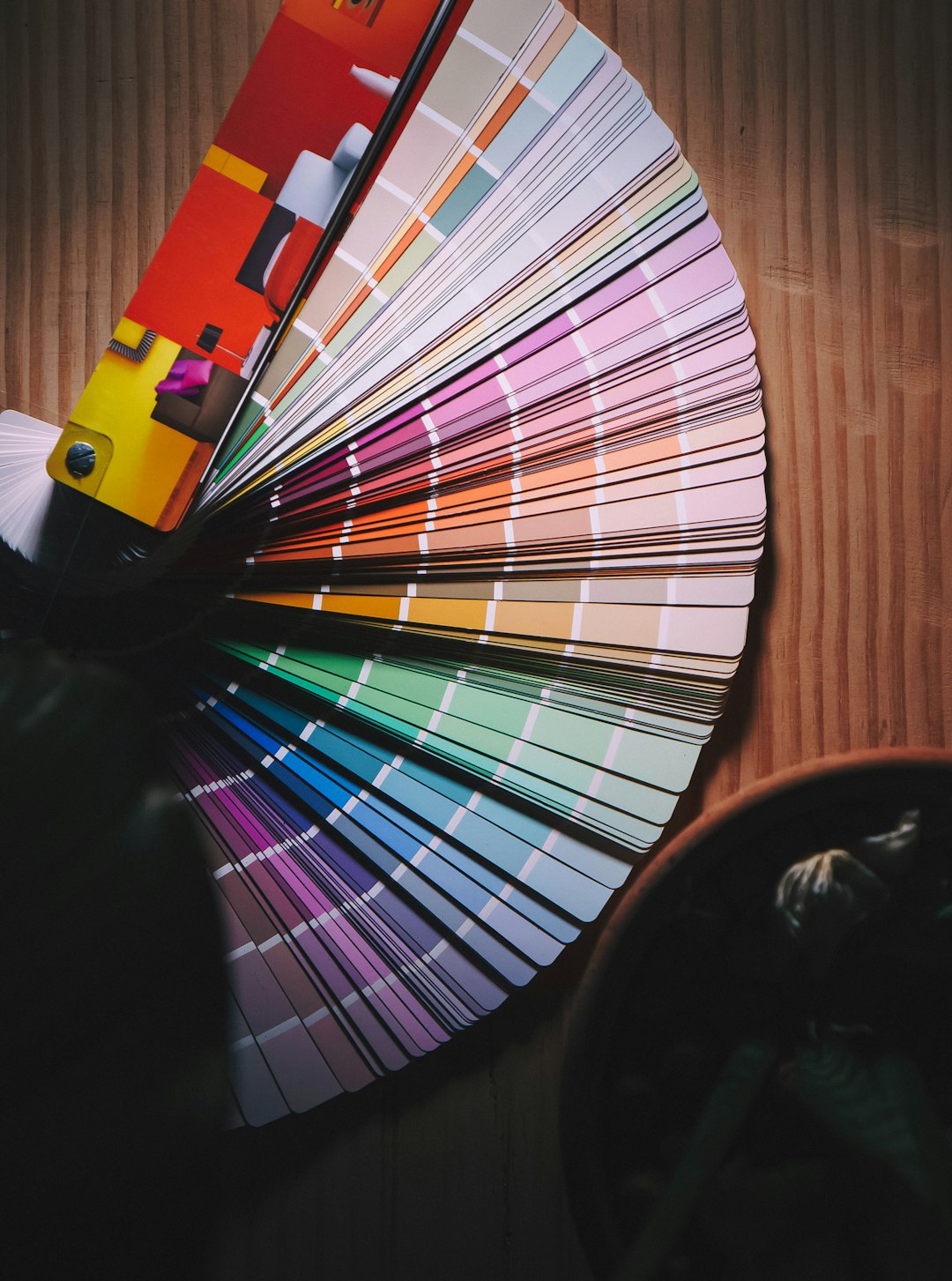
Colour is one of the fastest ways to create recognition. In trade branding, colours should be selected for visibility, meaning, and practicality. A logo that needs to stand out on a white van may use dark blue, black, red, orange, or green. A logo placed on dark uniforms may require a light or reversed version.
- Blue: Often associated with trust, stability, water, electrical services, and professionalism.
- Red: Communicates urgency, strength, action, and visibility.
- Orange: Feels energetic, practical, friendly, and construction-oriented.
- Green: Common for landscaping, sustainability, outdoor services, and eco-conscious trades.
- Black and charcoal: Suggest strength, precision, premium service, and durability.
- Yellow: Adds visibility, caution, warmth, and energy, especially when paired with dark tones.
Effective tradie logos usually limit the palette to two or three main colours. Too many colours can increase printing costs and make the design less consistent. A simple colour system also helps the brand appear more disciplined and professional.
Typography for Trade Logos
Typography has a major influence on how a trade business is perceived. Heavy sans serif fonts can suggest strength and dependability. Condensed lettering can look industrial and efficient. Serif fonts may suit heritage builders or premium craftsmen. Rounded fonts can feel approachable, which may be useful for residential service providers.
Legibility should always come first. A logo may be viewed from across a street, on a moving vehicle, or on a small phone screen. Overly decorative fonts can weaken the message and make the business name difficult to remember. For most contractors, the best typography is bold, clean, and balanced.
It is also important to consider how the business name interacts with supporting text. Many tradie logos include a tagline or service descriptor such as Electrical Services, Plumbing and Gas, Custom Carpentry, or Building Contractors. These details should support the logo without crowding it.
Using Industry Symbols Without Looking Generic
Tools and trade symbols can be useful, but they should be handled carefully. Hammers, rooftops, wrenches, bolts, pipes, and houses are common in tradie logo design. When used in a predictable way, they can make a business blend in with competitors. When stylised creatively, they can instantly communicate what the company does while still feeling distinctive.
For example, a roofer’s logo might use a simple roofline integrated into the lettering rather than a detailed house drawing. An electrician’s logo might use a subtle lightning shape built into a letterform. A carpenter’s logo might use a geometric wood grain pattern rather than a literal saw. These small design decisions create a more original identity.
The goal is not to include every service in the logo. A plumbing company does not need a tap, pipe, water droplet, wrench, and house all at once. One strong idea is usually more powerful than several weak ones competing for attention.
Designing for Real-World Applications
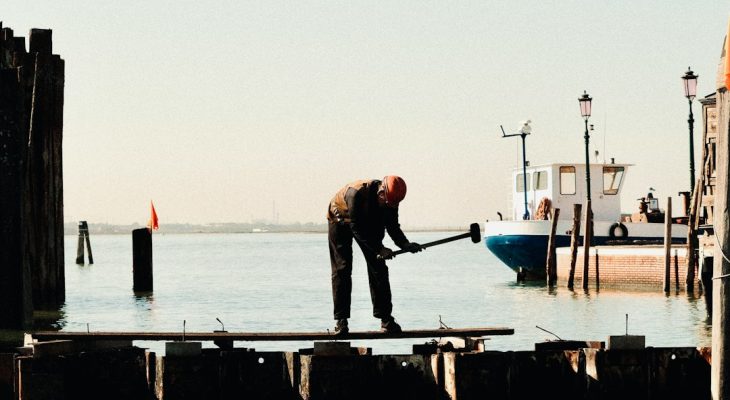
A tradie logo must perform across many practical touchpoints. Unlike some brands that primarily live online, trade businesses often rely on physical visibility. The logo may appear in dusty, wet, outdoor, and high-traffic environments.
Common applications include:
- Vehicle signage: Vans, utes, trucks, trailers, and machinery are moving advertisements.
- Uniforms: Shirts, jackets, caps, and high-visibility workwear create a professional team appearance.
- Job site signs: Building sites and front lawns can generate local enquiries.
- Business stationery: Quotes, invoices, contracts, and email signatures reinforce credibility.
- Digital platforms: Websites, online directories, social media, and review profiles require clean logo files.
Because of these uses, a contractor should have several logo variations. These may include a full-colour version, a single-colour version, a reversed version for dark backgrounds, a horizontal layout, a stacked layout, and an icon-only version. Proper file formats, such as vector artwork, are also essential for clean printing at any size.
Image not found in postmetaBuilding Trust Through Consistency
A logo is only one part of a brand identity. Its impact grows when it is used consistently. If a contractor uses one version of the logo on a van, another on Facebook, and a stretched low-quality version on invoices, the business can appear disorganised. Consistency helps customers feel that the company is reliable and detail-oriented.
A basic brand system may include logo usage rules, approved colours, typography, photo style, icon style, and tone of voice. Even small businesses benefit from this structure. When every customer touchpoint looks connected, the business appears more established.
This is especially valuable for contractors who plan to grow. A solo tradesperson may later add employees, vehicles, new service areas, or commercial contracts. A strong logo and brand foundation can scale with the business instead of needing to be replaced every few years.
Common Mistakes in Tradie Logo Design
Some logo mistakes are particularly common among trade businesses. Avoiding them can significantly improve the final result.
- Using too much detail: Complex illustrations often fail on uniforms, small signs, and mobile screens.
- Copying competitors: Similar colours, icons, and layouts can make the brand forgettable.
- Choosing trendy fonts: Fashionable type styles may become dated quickly.
- Ignoring readability: If the business name cannot be read quickly, the logo is not doing its job.
- Relying only on colour: A logo should still work in black and white.
- Not planning for signage: Vehicle wraps, embroidery, and decals require practical design choices.
A professional-looking logo does not need to be overly polished or corporate, but it should be intentional. In many trades, customers appreciate brands that feel honest, practical, and dependable. The best logo captures those qualities while still giving the contractor a distinctive visual presence.
How a Strong Logo Supports Business Growth
A strong tradie logo can support growth in several ways. It improves recognition, which helps past customers remember the business and recommend it to others. It increases perceived professionalism, which can support higher-value projects. It also gives employees a shared identity, helping a team look unified and credible on job sites.
For contractors competing in crowded local markets, branding can become a meaningful advantage. Many customers compare several quotes before making a decision. If pricing and availability are similar, the business that looks more trustworthy and established may have an edge. A logo alone cannot replace quality work, but it can help quality work become more visible and memorable.
In the long term, a recognisable brand can become one of a contractor’s most valuable assets. Vehicles seen around town, uniforms worn on site, and signs displayed outside completed projects all reinforce the same message: this business is active, reliable, and ready to serve.
Conclusion
Tradie logo design is a practical form of branding built around trust, recognition, and real-world usability. For trades and contractors, the logo must work hard across vehicles, uniforms, tools, documents, signage, and digital channels. The most effective designs are simple, readable, relevant, and distinctive.
When a logo reflects the quality of the work and the personality of the business, it becomes more than a visual mark. It becomes a sign of professionalism. For a contractor seeking stronger local visibility and long-term growth, a well-crafted brand identity can help turn everyday exposure into lasting customer confidence.
FAQ
What makes a good tradie logo?
A good tradie logo is simple, readable, memorable, and suitable for practical use on vehicles, uniforms, signage, invoices, and digital platforms. It should reflect the contractor’s trade, personality, and level of professionalism.
Should a tradie logo include tools or trade symbols?
Trade symbols can be helpful, but they should be used carefully. A subtle, well-designed icon is usually more effective than a crowded logo filled with multiple tools or service references.
What colours work best for contractor branding?
Common tradie branding colours include blue, black, orange, red, green, yellow, and grey. The best choice depends on the trade, target market, desired personality, and where the logo will be displayed.
Why is logo simplicity important for trades?
Simple logos are easier to read from a distance, reproduce cleanly on uniforms, and recognise quickly on vehicles or job site signs. Simplicity also helps the design remain useful for many years.
How often should a trade business update its logo?
A logo does not need frequent changes if it is well designed. However, a refresh may be useful when the business has grown, changed services, entered a premium market, or looks outdated compared with competitors.
What logo files should a contractor have?
A contractor should have scalable vector files for printing, plus web-ready files for online use. It is also useful to have full-colour, black, white, horizontal, stacked, and icon-only versions.