



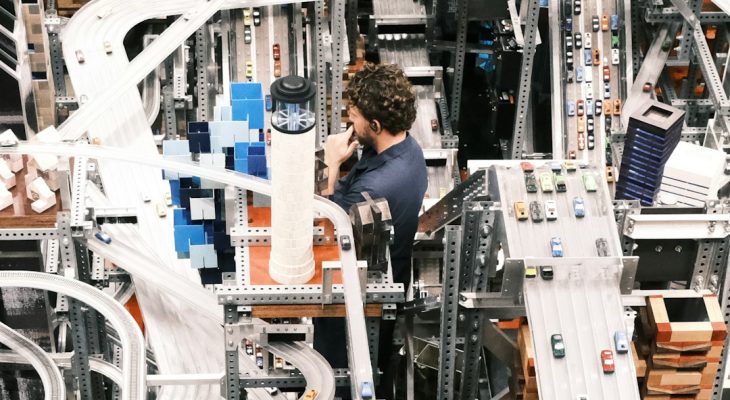
Running a warehouse is a bit like conducting an orchestra. Every move must be timed. Every section must work together. If one part slows down, the whole system feels it. That’s where warehouse robotics platforms step in. They help businesses move faster, reduce mistakes, and grow without chaos.
TLDR: Warehouse robotics platforms use smart robots and software to automate storage, picking, packing, and shipping tasks. They reduce labor costs, increase speed, and improve accuracy. Businesses can scale operations without needing massive new facilities or huge teams. The right platform turns a busy warehouse into a smooth, efficient machine.
Let’s break it down in simple terms. No technical overload. Just the good stuff.
What Are Warehouse Robotics Platforms?
A warehouse robotics platform is a system that combines:
- Autonomous mobile robots (AMRs)
- Robotic arms
- Sensors and cameras
- Warehouse management software (WMS)
- Artificial intelligence
Together, they help move products from shelf to shipment.
Think of it like adding dozens of smart helpers who never get tired. They scan. They carry. They sort. They even learn over time.
Why Scaling Is Hard Without Robotics
As businesses grow, orders increase. Fast.
Manual systems struggle because:
- Hiring takes time.
- Training costs money.
- Mistakes increase under pressure.
- Space becomes crowded.
- Peak seasons overwhelm teams.
Robotics platforms remove these bottlenecks. They allow companies to increase output without doubling their workforce.
That’s real scalability.
How Robotics Platforms Improve Efficiency
Efficiency means doing more with less. Let’s see how robots help.
1. Faster Picking
Picking is the most expensive warehouse task. Workers walk miles every shift. Robots remove that problem.
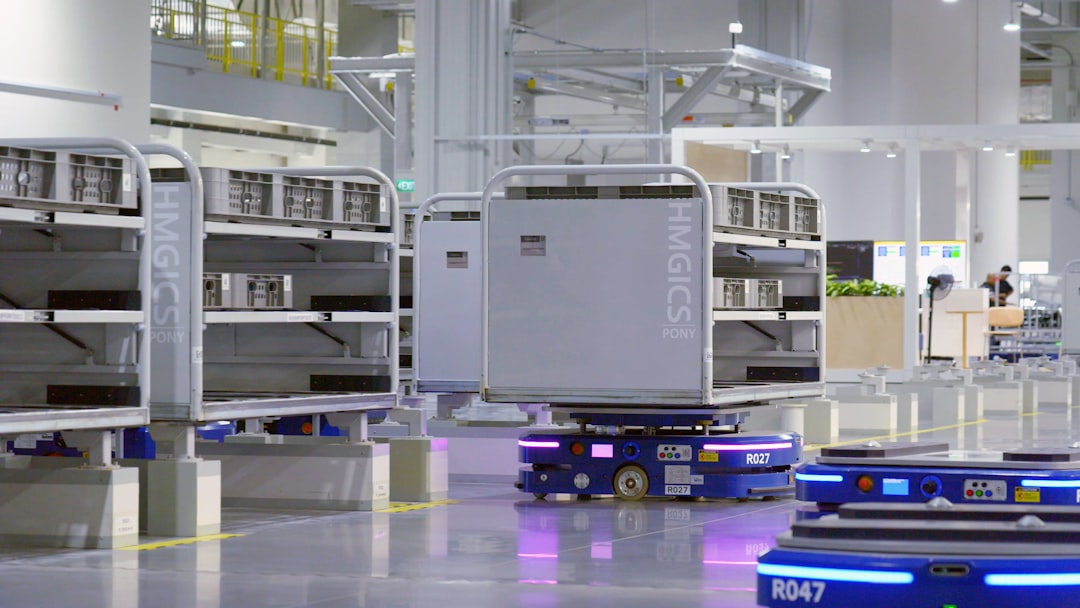
Some robots bring shelves directly to workers. This “goods-to-person” model reduces walking time. Dramatically.
Others pick items themselves using robotic arms.
2. Better Accuracy
Humans make mistakes. Especially when tired.
Robots use barcode scanning and AI vision systems. They confirm items before moving them. Fewer wrong shipments. Happier customers.
3. 24/7 Operations
Robots don’t clock out. They can operate around the clock with charging breaks in between.
This is perfect for:
- Ecommerce
- Retail distribution
- Food and beverage
- Healthcare supplies
4. Smarter Space Usage
Robots can work in tighter aisles than humans. That means more storage in the same square footage.
You grow without building a new warehouse.
Main Types of Warehouse Robots
Not all robots do the same job. Here are the main types you’ll see.
Autonomous Mobile Robots (AMRs)
These move around independently. They use sensors to avoid obstacles. Great for transporting goods.
Automated Guided Vehicles (AGVs)
Similar to AMRs but follow fixed routes. Often used in large facilities.
Robotic Picking Arms
These grab items and place them into bins or boxes. AI helps them recognize products.
Sorting Robots
Used in high-volume fulfillment centers. They route packages to the correct shipping lane.
Inventory Drones
Yes, flying robots. They scan barcodes on high shelves. Fast. Safe. Accurate.
Popular Warehouse Robotics Platforms
Several leaders dominate the space. Each offers unique strengths.
| Platform | Main Strength | Best For | Scalability Level |
|---|---|---|---|
| Amazon Robotics | Goods to person systems | High volume ecommerce | Very High |
| Locus Robotics | Flexible AMRs | Mid size warehouses | High |
| GreyOrange | AI driven fulfillment | Retail distribution | Very High |
| Fetch Robotics | Cloud managed robots | Growing businesses | Medium to High |
| Geek Plus | Full automation solutions | Large warehouses | Very High |
Each platform integrates software and hardware. That combination is critical. Robots alone are not enough. The software coordinates everything.
The Role of Software: The Brain Behind the Bots
The robots are the muscles. The software is the brain.
Modern warehouse robotics platforms include:
- Real time tracking dashboards
- Inventory management tools
- Data analytics
- AI driven forecasting
- Integration with ERP systems
Managers can see:
- Order flow
- Robot performance
- Bottlenecks
- Inventory levels
This visibility makes scaling easier. Decisions become data driven instead of guesswork.
Cost vs Return: Is It Worth It?
Robotics requires upfront investment. No way around that.
But consider the long term savings:
- Lower labor costs
- Reduced turnover
- Fewer errors and returns
- Higher throughput
- Better customer satisfaction
Many companies see ROI within two to four years. Some even faster during high demand growth phases.
Scaling During Peak Seasons
Black Friday. Holiday shopping. Flash sales.
These periods stress warehouses.
Robotics platforms shine here because:
- They can handle higher order volume.
- Additional robots can be added temporarily.
- Software reallocates tasks automatically.
- No need for massive seasonal hiring.
This flexibility keeps service levels steady.
Safety Improvements
Warehouses can be risky environments.
Heavy lifting. Forklifts. Long shifts.
Robotics platforms reduce physical strain. They also include:
- Collision avoidance systems
- Emergency stop features
- Predictive maintenance alerts
Fewer accidents mean fewer disruptions. And lower insurance costs.
Common Myths About Warehouse Robots
“Robots replace humans.”
Not entirely. They often support workers instead of replacing them. Humans handle complex problem solving. Robots handle repetition.
“It’s only for giant corporations.”
Not anymore. Modular systems make adoption affordable for mid size businesses.
“Implementation takes years.”
Some deployments take months. Not years. Especially with cloud based systems.
How to Choose the Right Platform
Before investing, businesses should ask:
- What tasks consume the most labor?
- What is our order volume growth rate?
- Do we need full automation or partial?
- Can our current WMS integrate easily?
- What is our budget timeline?
Start small if needed. Many companies roll out robots in phases. That reduces risk.
The Future of Warehouse Robotics
The future looks exciting.
We are seeing:
- More advanced AI vision systems
- Improved robotic gripping for delicate items
- Collaborative robots working side by side with humans
- Better battery efficiency
- Greater use of predictive analytics
Eventually, warehouses may run with minimal human physical labor. Humans will manage, analyze, and optimize.
Operations will become faster. Smarter. More flexible.
Final Thoughts
Scaling a warehouse used to mean bigger buildings and more workers.
Now it means smarter systems.
Warehouse robotics platforms give businesses control over growth. They increase speed without sacrificing accuracy. They lower long term costs. They provide real time visibility.
Most importantly, they allow companies to meet rising customer expectations.
Because in today’s world, fast delivery is not a luxury.
It’s expected.
And with the right robotics platform, scaling becomes less stressful and far more exciting.