

Modern HR teams increasingly expect recruitment platforms to do more than track candidates. They need automation that reduces manual work, improves collaboration, speeds up hiring decisions, and creates a better candidate experience. While SmartRecruiters remains a well-known applicant tracking system, several alternatives offer stronger workflows, better analytics, simpler usability, or more flexible automation for fast-moving hiring teams.
TLDR: The best recruitment automation tools that many modern HR teams may find better than SmartRecruiters are Ashby, Greenhouse, Lever, Workable, and Pinpoint. Each platform stands out in a different area, including analytics, candidate relationship management, interview automation, team collaboration, and employer branding. The right choice depends on company size, hiring complexity, budget, and the level of automation the HR team needs.
Why HR Teams Look Beyond SmartRecruiters
SmartRecruiters offers a broad set of hiring features, but some organizations find that it can feel complex, expensive, or less flexible than newer recruitment automation platforms. Modern HR teams often want tools that are easier to configure, faster to adopt, and more focused on automation across the full hiring funnel.
Recruitment automation is no longer limited to posting jobs and collecting applications. Leading platforms now automate candidate sourcing, interview scheduling, pipeline movement, email sequences, scorecards, approvals, reporting, compliance tasks, and onboarding handoffs. For teams under pressure to hire quickly and fairly, these capabilities can make a measurable difference.
The following five tools are frequently considered strong alternatives to SmartRecruiters because they combine usability with powerful automation and support different hiring strategies.
1. Ashby
Ashby is one of the strongest recruitment automation platforms for data-driven hiring teams. It combines an applicant tracking system, recruitment CRM, scheduling tools, analytics, and automation in one platform. Many modern HR teams prefer Ashby because it gives recruiters and talent leaders deep visibility into every stage of the hiring process.
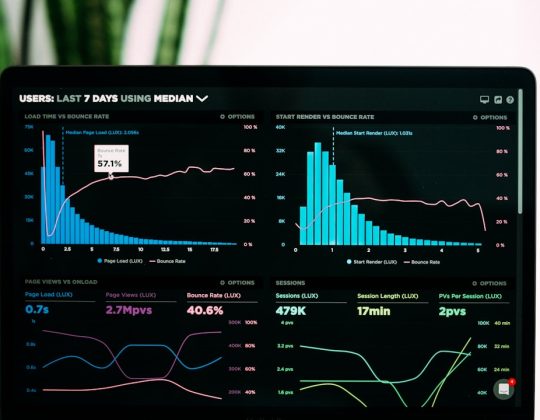
One of Ashby’s biggest advantages is its advanced reporting and analytics. Hiring teams can track source performance, recruiter productivity, funnel conversion, interviewer activity, time to hire, and pipeline health without relying heavily on external reporting tools. This makes it especially useful for growing companies that need to make better decisions with hiring data.
Ashby also offers strong workflow automation. Teams can automate candidate stage movement, email communication, interview scheduling, feedback reminders, approval processes, and recurring recruiting reports. These automations help reduce administrative work while keeping candidates and hiring managers informed.
- Best for: Data-focused startups, scaleups, and high-growth companies.
- Key strength: Powerful analytics combined with flexible recruiting automation.
- Why it can be better than SmartRecruiters: It often provides deeper reporting and a more modern interface for teams that rely heavily on hiring metrics.
Ashby is especially valuable for organizations that want recruitment operations to be strategic rather than reactive.
2. Greenhouse
Greenhouse is a mature recruitment platform known for structured hiring, interview consistency, and strong collaboration features. It is widely used by mid-sized and enterprise companies that need to standardize hiring across departments, locations, and roles.
Greenhouse stands out because of its emphasis on fair and structured hiring. HR teams can create interview plans, scorecards, approval flows, hiring kits, and feedback processes that help reduce bias and improve decision-making. This is particularly useful for companies that need consistency as hiring scales.
The platform also provides automation for job postings, candidate communication, interview scheduling, referrals, pipeline management, and reporting. Its large integration marketplace allows HR teams to connect Greenhouse with assessment tools, background checks, HRIS platforms, sourcing tools, and onboarding systems.
Compared with SmartRecruiters, Greenhouse may be a better fit for teams that prioritize structured interview processes and mature hiring governance. It can give hiring managers clearer responsibilities and helps recruiters maintain quality across high-volume or multi-role hiring environments.
- Best for: Mid-sized businesses and enterprises with structured hiring needs.
- Key strength: Interview planning, scorecards, and collaborative hiring workflows.
- Why it can be better than SmartRecruiters: It offers strong process control and is highly respected for structured hiring methodology.
3. Lever
Lever is a recruitment platform that combines applicant tracking with candidate relationship management. This makes it a strong option for HR teams that want to build long-term talent pipelines instead of only managing active applicants.
Lever’s strength lies in its CRM-first recruiting approach. Recruiters can nurture passive candidates, create personalized outreach campaigns, track engagement, and maintain relationships over time. This is critical for competitive industries where the best candidates may not apply immediately.
The platform includes automation for email sequences, reminders, interview scheduling, feedback collection, pipeline updates, and reporting. Lever also supports collaborative hiring, allowing recruiters, managers, and interviewers to work from a shared candidate profile.

For modern HR teams, Lever may feel more relationship-oriented than SmartRecruiters. It is particularly useful when recruitment depends on sourcing, nurturing, referrals, and proactive engagement rather than only inbound applications.
- Best for: Companies focused on proactive sourcing and talent nurturing.
- Key strength: Built-in recruitment CRM and candidate engagement workflows.
- Why it can be better than SmartRecruiters: It provides strong CRM capabilities for teams that need ongoing candidate relationship management.
Lever is a smart choice for organizations that treat recruiting as a long-term relationship-building function.
4. Workable
Workable is a popular recruitment automation tool for small and mid-sized companies that need a practical, easy-to-use hiring platform. It is known for fast setup, broad job board distribution, candidate sourcing features, and simple collaboration tools.
Workable can help HR teams automate many routine recruiting tasks, including job posting, resume parsing, candidate screening, interview scheduling, email templates, pipeline management, and offer approvals. It also includes AI-supported features that help identify suitable candidates and speed up shortlisting.
One of Workable’s major advantages is accessibility. Teams without large recruiting operations can still use the platform effectively. Hiring managers can review candidates, leave feedback, and move applicants through stages without needing extensive training.
Compared with SmartRecruiters, Workable may be better for organizations that want a lighter, faster, and more affordable solution. It is especially useful for teams that need recruitment automation but do not require the complexity of an enterprise-level system.
- Best for: Small businesses, mid-sized companies, and lean HR teams.
- Key strength: Ease of use, fast implementation, and job board automation.
- Why it can be better than SmartRecruiters: It is often simpler to manage and more suitable for teams that want quick adoption.
5. Pinpoint
Pinpoint is a recruitment platform designed around candidate experience, employer branding, and in-house recruitment efficiency. It is a strong option for HR teams that want to attract better applicants while maintaining clean workflows and automation behind the scenes.
Pinpoint offers automation for job advertising, application management, interview scheduling, candidate communication, referrals, hiring approvals, and reporting. Its branded careers site tools are especially helpful for companies that want to present a polished employer brand without relying heavily on development resources.
The platform is also known for being user-friendly. Recruiters and hiring managers can collaborate easily, while candidates benefit from clear communication and a smooth application experience. For companies competing for talent in crowded markets, this can improve both application quality and completion rates.
Pinpoint can be better than SmartRecruiters for teams that value simplicity, employer brand presentation, and candidate-centered workflows. It is not only about handling applications; it helps companies create a more attractive hiring journey.
- Best for: In-house recruitment teams focused on employer branding and candidate experience.
- Key strength: Branded careers sites and intuitive recruitment workflows.
- Why it can be better than SmartRecruiters: It offers a cleaner experience for teams that want strong branding and straightforward automation.
How to Choose the Right Recruitment Automation Tool
The best alternative to SmartRecruiters depends on the needs of the HR team. A company with complex analytics requirements may choose Ashby, while a business focused on structured hiring may prefer Greenhouse. A sourcing-heavy team may benefit from Lever, while a lean HR department may find Workable more practical. An organization that wants to strengthen employer branding may choose Pinpoint.
Before selecting a platform, HR leaders should evaluate several factors:
- Hiring volume: High-volume teams need strong automation, reporting, and collaboration.
- Company size: Smaller teams may need simplicity, while enterprises may need governance and integrations.
- Candidate sourcing strategy: Outbound recruiting requires CRM and campaign automation.
- Interview process: Structured hiring depends on scorecards, feedback workflows, and approvals.
- Budget: Pricing can vary significantly depending on features, users, and company size.
- Integration needs: The platform should connect with HRIS, assessment, background check, calendar, and onboarding tools.
Modern recruitment automation should not only make recruiters faster. It should also improve hiring quality, create a better candidate experience, and give leadership reliable insight into recruitment performance.
Final Thoughts
SmartRecruiters remains a capable platform, but it is not always the best fit for every modern HR team. Ashby, Greenhouse, Lever, Workable, and Pinpoint each offer advantages that may better match specific hiring goals. The strongest choice depends on whether the organization values analytics, structure, sourcing, simplicity, or employer branding most.
For HR teams seeking better automation, the decision should be based on workflow fit rather than brand recognition alone. A recruitment platform should help teams move faster, collaborate better, engage candidates more effectively, and make more confident hiring decisions.
FAQ
1. What is the best recruitment automation tool better than SmartRecruiters?
There is no single best option for every company. Ashby is excellent for analytics, Greenhouse for structured hiring, Lever for CRM-driven recruiting, Workable for ease of use, and Pinpoint for employer branding.
2. Which SmartRecruiters alternative is best for small businesses?
Workable is often a strong choice for small businesses because it is easy to implement, simple to use, and effective for automating common hiring tasks.
3. Which tool is best for data-driven recruitment teams?
Ashby is one of the strongest options for data-driven teams because it offers advanced recruiting analytics, reporting dashboards, and customizable workflow automation.
4. Which platform is best for candidate relationship management?
Lever is a strong option for candidate relationship management because it combines ATS functionality with CRM features for nurturing passive candidates.
5. Are these tools suitable for enterprise hiring?
Yes. Greenhouse, Ashby, and Lever can support larger and more complex hiring environments, depending on configuration, integrations, and internal recruiting processes.
6. What should HR teams consider before replacing SmartRecruiters?
HR teams should consider hiring volume, automation needs, reporting requirements, user experience, integrations, pricing, compliance needs, and the overall candidate experience before switching platforms.