




Keyword research is the foundation of search engine optimization and content planning. When a business understands what people search for, how often they search, and why they search, it can create content that attracts qualified traffic. Finding high-volume keywords is not simply about choosing the most popular phrases; it is about identifying terms that have strong demand, realistic competition levels, and clear business value.
TLDR: High-volume keyword research helps a website discover search terms that many people use each month. The process involves brainstorming topics, using keyword tools, analyzing search intent, checking competition, and selecting keywords that match business goals. The best keywords have a balance of search volume, relevance, ranking opportunity, and conversion potential. A smart strategy combines broad keywords with long-tail variations to build sustainable organic traffic.
What High-Volume Keywords Are
High-volume keywords are search terms that receive a large number of monthly searches. For example, a phrase such as “running shoes” may receive far more searches than a specific phrase such as “best lightweight running shoes for flat feet.” The first keyword has higher volume, while the second usually has more specific intent.
Search volume is typically shown as an estimated monthly number in keyword research tools. A keyword with 50,000 searches per month may appear attractive, but volume alone does not guarantee success. If a keyword is too broad, too competitive, or unrelated to the website’s offer, it may bring visitors who do not engage or convert.
Effective keyword research looks beyond raw numbers. It asks whether the keyword can help a company reach the right audience, answer important questions, and support its commercial goals.
Why High-Volume Keywords Matter
High-volume keywords matter because they reveal broad demand in a market. They show what large groups of people care about, what problems they are trying to solve, and what topics deserve deeper content coverage. A website that ranks for relevant high-volume keywords can gain consistent organic visibility and reduce reliance on paid traffic.
However, competition is often stronger for these terms. Major websites, established brands, and authoritative publications may already rank for the most searched phrases. That is why a smart SEO strategy uses high-volume keywords as directional targets, then builds supporting content around more specific variations.
For example, a fitness website may want to rank for “weight loss,” but that keyword is extremely broad and competitive. A better approach may include related phrases such as “weight loss meal plan,” “weight loss exercises at home,” and “healthy weight loss tips for beginners.” These keywords still have strong demand while being more connected to specific search intent.
Step 1: Start With Core Topics
The keyword research process begins with core topics. These are broad categories connected to a business, product, service, or audience need. A software company might begin with topics such as project management, team collaboration, workflow automation, and productivity tools. An online clothing store might start with dresses, sneakers, jackets, and seasonal fashion.
At this stage, the goal is not perfection. The researcher should create a broad list of possible topics, then narrow them down later with data. Good sources for topic ideas include:
- Product or service categories listed on the website
- Customer questions from emails, sales calls, reviews, and support tickets
- Competitor websites and their page titles or blog topics
- Industry forums, communities, and social discussions
- Internal search data from the website, if available
Once core topics are identified, they can be entered into keyword research tools to discover related search terms and volume estimates.
Step 2: Use Keyword Research Tools
Keyword tools help turn ideas into measurable opportunities. They provide data such as monthly search volume, keyword difficulty, cost per click, trend patterns, and related terms. Common types of tools include search engine keyword planners, SEO platforms, trend analysis tools, autocomplete suggestions, and analytics software.
A researcher can enter a seed keyword such as “email marketing” and receive hundreds or thousands of related ideas. These may include “email marketing software,” “email marketing strategy,” “email marketing examples,” and “best email marketing tools.” Each suggestion gives insight into what people are searching for and how they phrase their needs.
When reviewing keyword tool data, the researcher should pay attention to several metrics:
- Search volume: The estimated number of monthly searches.
- Keyword difficulty: An estimate of how hard it may be to rank.
- Cost per click: A paid advertising metric that may suggest commercial value.
- Trend direction: Whether interest is rising, stable, or declining.
- Related keywords: Similar terms that can support a content cluster.
No tool is perfectly accurate. Search volume should be treated as an estimate rather than an exact count. The best decisions come from comparing multiple data points and applying human judgment.
Step 3: Analyze Search Intent
Search intent describes the reason behind a search. A keyword may have high volume, but if its intent does not match the website’s content or offer, it may not be valuable. Understanding intent helps ensure that a page satisfies what searchers expect to find.
Most keywords fall into four major intent categories:
- Informational: The searcher wants to learn something, such as “how to start a podcast.”
- Navigational: The searcher wants a specific website or brand.
- Commercial: The searcher is comparing options, such as “best laptop for students.”
- Transactional: The searcher is ready to act, such as “buy wireless headphones.”
High-volume informational keywords can build awareness and attract new visitors. Commercial and transactional keywords may have lower volume but stronger conversion potential. A balanced keyword strategy includes both.
One of the best ways to identify intent is to review the current search results. If a keyword shows mostly guides, the intent is likely informational. If it shows product pages, category pages, or comparison pages, the intent may be commercial or transactional. The content created for that keyword should match the format already preferred by search engines and users.

Step 4: Evaluate Competition
High search volume often attracts high competition. Before targeting a keyword, the researcher should evaluate whether the website has a realistic chance of ranking. This involves reviewing the pages currently ranking on the first page of search results.
Important competition signals include:
- Domain authority: Strong, established websites may be harder to outrank.
- Content depth: Comprehensive pages often perform better for competitive topics.
- Backlinks: Pages with many quality links may have a ranking advantage.
- Freshness: Some topics require recently updated content.
- User experience: Fast, readable, well-structured pages may perform better.
If every top result is from a highly authoritative site, a newer website may struggle to rank for the main keyword. In that case, the better strategy is to target related long-tail keywords first. Over time, as the website builds authority, it may become more competitive for broader, higher-volume terms.
Step 5: Find Long-Tail Variations
Long-tail keywords are longer, more specific search phrases. They usually have lower search volume individually, but they often have clearer intent and lower competition. When many long-tail keywords are combined, they can generate meaningful traffic.
For example, instead of targeting only “digital camera,” a site could target “best digital camera for travel photography,” “digital camera for beginners,” and “compact digital camera with zoom.” These phrases show more specific needs, making it easier to create helpful content.
Long-tail variations can be found through:
- Autocomplete suggestions in search engines
- “People also ask” questions
- Related searches at the bottom of results pages
- Keyword tool suggestions
- Customer reviews and community discussions
A strong content plan often uses high-volume keywords as main topics and long-tail keywords as supporting articles, sections, or FAQ entries.
Step 6: Group Keywords Into Clusters
Keyword clustering organizes related keywords around a central topic. Instead of creating a separate page for every keyword, a website can build a main page supported by related subtopics. This helps avoid duplicate content and creates a stronger topical structure.
For example, a main page targeting “home workout” may include sections or supporting articles for “home workout plan,” “home workout without equipment,” “home workout for beginners,” and “home workout for weight loss.” Each related keyword strengthens the overall topic.
Keyword clusters also help search engines understand expertise. When a website covers a subject from multiple angles, it may be seen as more useful and authoritative. This structure is especially valuable for competitive high-volume keywords.
Step 7: Prioritize the Best Opportunities
After gathering keyword data, the researcher should prioritize terms based on value. The best keyword is not always the one with the highest search volume. It is the one that offers the strongest combination of demand, relevance, achievable ranking potential, and business impact.
A practical scoring system can help. Each keyword can be rated based on:
- Relevance: How closely the keyword matches the website’s audience and offer
- Volume: How many people search for the term
- Difficulty: How competitive the keyword is
- Intent: Whether the searcher is likely to learn, compare, or buy
- Content fit: Whether the website can create a strong page for the term
This scoring process keeps keyword selection strategic rather than random. It also helps teams avoid chasing vanity keywords that may bring traffic without meaningful results.

Step 8: Create Content That Matches the Keyword
Once target keywords are selected, content must be created to satisfy the search intent. A page targeting a high-volume keyword should be clear, complete, and easy to navigate. Searchers should quickly find the information they expected when they clicked.
Strong SEO content usually includes a descriptive title, helpful headings, concise explanations, examples, internal links, and a logical structure. The primary keyword should appear naturally in important areas such as the title, introduction, headings, and body text. Related keywords should be used where they fit, but keyword stuffing should be avoided.
The goal is not to repeat a phrase as many times as possible. The goal is to create the best answer for the topic. Search engines have become better at understanding context, so quality and usefulness matter more than mechanical repetition.
Step 9: Track Performance and Refresh Keywords
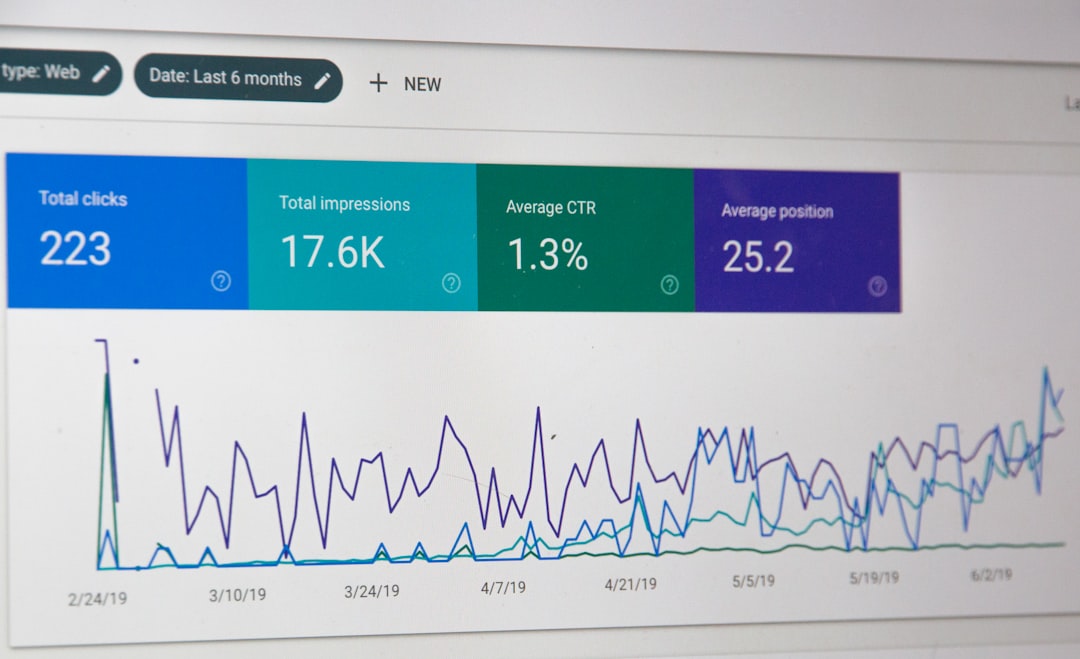
Keyword research does not end after publication. Search behavior changes, competitors update their pages, and new trends appear. A website should monitor rankings, impressions, clicks, click-through rates, and conversions to understand which keywords are performing.
If a page ranks on the second page of results, improving the content, adding examples, updating outdated information, or building internal links may help it move higher. If a keyword brings traffic but no conversions, the page may need clearer calls to action or better alignment with search intent.
Regular keyword reviews help a website maintain visibility and discover new opportunities. Many successful SEO strategies include quarterly or monthly keyword updates.
Common Mistakes to Avoid
- Choosing volume over relevance: A popular keyword is not useful if the audience is wrong.
- Ignoring intent: Content must match what searchers expect.
- Targeting only broad keywords: Long-tail terms often provide better early opportunities.
- Creating thin content: High-volume keywords usually require detailed, helpful pages.
- Not updating content: Rankings can decline when information becomes outdated.
Conclusion
Finding high-volume keywords requires both data and strategy. A researcher must identify broad topics, use keyword tools, analyze intent, evaluate competition, discover long-tail variations, and prioritize the opportunities that best support the website’s goals. The most effective approach balances ambition with realism.
High-volume keywords can drive significant organic traffic, but they work best when supported by relevant content clusters and ongoing optimization. When keyword research is done carefully, it becomes more than an SEO task. It becomes a roadmap for understanding an audience and creating content that people actively want to find.
FAQ
What is a high-volume keyword?
A high-volume keyword is a search term that receives a large number of searches each month. The exact number depends on the industry, but it usually indicates strong search demand.
Are high-volume keywords always the best keywords to target?
No. High-volume keywords can be valuable, but they are often competitive and broad. The best keywords combine volume with relevance, clear intent, and realistic ranking potential.
How can a website find high-volume keywords?
A website can find them by using keyword research tools, reviewing search suggestions, studying competitors, analyzing trends, and examining customer questions or industry discussions.
What is the difference between high-volume and long-tail keywords?
High-volume keywords are usually broader and searched more often. Long-tail keywords are more specific, usually searched less often, and often easier to rank for.
How often should keyword research be updated?
Keyword research should be reviewed regularly, often monthly or quarterly. Updates help account for new trends, changing search behavior, and competitor activity.
Can a new website rank for high-volume keywords?
A new website can rank for some high-volume keywords, but it may be difficult in competitive industries. Newer sites often perform better by targeting long-tail keywords first and building authority over time.