


Influencer marketing has evolved into a data-driven discipline where creativity meets analytics. Agencies no longer rely solely on intuition to connect brands with social media creators; instead, they depend on sophisticated platforms that streamline outreach, track performance, measure return on investment, and manage long-term relationships. The right mix of tools empowers agencies to move faster, personalize communication at scale, and make smarter strategic decisions based on measurable insights.
TLDR: Agencies rely on specialized tools to identify influencers, manage outreach, track performance, and analyze campaign results. These platforms combine discovery databases, CRM systems, analytics dashboards, and automation features to improve efficiency and accuracy. By leveraging audience insights, fraud detection, and ROI tracking, agencies can optimize influencer partnerships at scale. In today’s competitive environment, technology is essential for maximizing both performance and profitability in influencer marketing campaigns.
The landscape of influencer outreach and analytics tools can be broadly categorized into discovery platforms, relationship management systems, campaign management tools, analytics suites, and reporting solutions. Each category serves a unique role, and many modern platforms combine several of these features into a single ecosystem.
1. Influencer Discovery and Research Platforms
Discovery tools are often the foundation of an agency’s workflow. These platforms provide vast databases of influencers across platforms such as Instagram, TikTok, YouTube, and LinkedIn. With advanced filtering capabilities, agencies can search based on:
- Niche or industry category
- Follower count and engagement rate
- Audience demographics
- Geographic location
- Content type and language
Rather than manually searching social platforms, agencies rely on algorithm-driven insights that rank creators by relevance and authenticity. Many tools also include audience analysis features to evaluate followers’ age, gender distribution, and interests.
Another critical function of discovery platforms is fraud detection. Tools use machine learning to identify fake followers, suspicious engagement patterns, and sudden spikes in metrics. This helps agencies avoid partnering with creators who inflate their influence artificially.
2. Influencer Relationship Management (IRM) Systems
Once suitable influencers are identified, agencies need a system to manage communication. Influencer Relationship Management tools function similarly to Customer Relationship Management software but are tailored specifically to creators.
These systems allow agencies to:
- Store detailed influencer profiles
- Track email conversations and outreach history
- Organize contracts and deliverables
- Schedule follow-ups automatically
- Tag influencers by campaign, niche, or region
Automation plays a central role in modern outreach. Agencies can personalize email templates, send bulk outreach campaigns, and monitor open and response rates. This significantly reduces manual effort while maintaining a tailored approach.
Advanced IRM tools also include pipeline management features. Agencies can move influencers through stages such as “contacted,” “negotiating,” “contract signed,” and “campaign live.” This structured process improves visibility and reduces missed opportunities.
3. Campaign Management Platforms
Running an influencer campaign involves coordinating content approvals, deadlines, promotional codes, and compliance requirements. Campaign management tools centralize these operations into a single interface.
Core features often include:
- Content approval workflows
- Real-time collaboration with creators
- Payment tracking and budgeting tools
- Affiliate link and discount code generation
Campaign dashboards give agencies and clients a transparent view of deliverables and timelines. Instead of juggling spreadsheets and emails, all assets are stored in the cloud for easy access and version control.

Integration capabilities are another critical aspect. Many campaign management platforms connect directly with social media APIs, allowing automatic collection of post metrics without requiring manual data entry.
4. Analytics and Performance Tracking Tools
Analytics tools transform campaign data into actionable insights. Agencies use these platforms to measure performance indicators such as:
- Reach and impressions
- Engagement rates
- Click-through rates
- Conversions and sales
- Cost per acquisition
- Return on investment
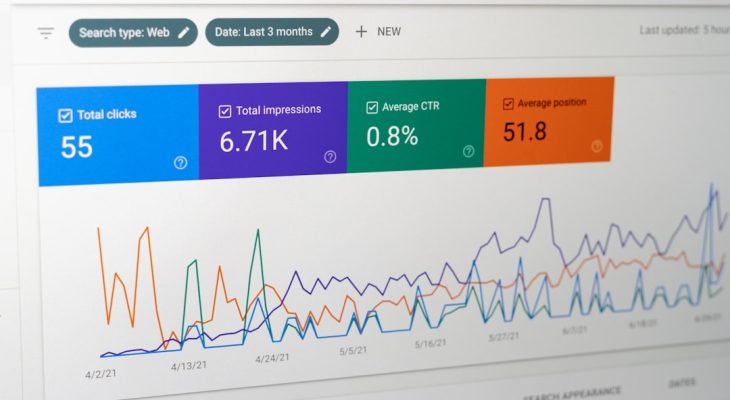
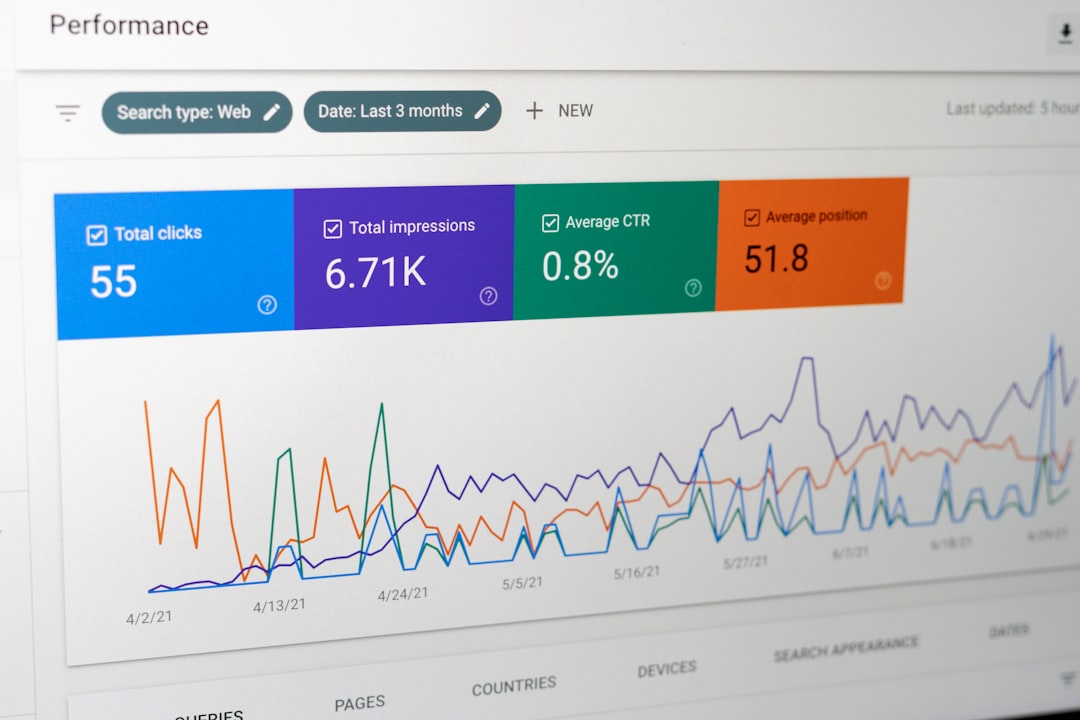
Real-time tracking is especially important for optimizing campaigns mid-flight. If certain content formats outperform others, agencies can quickly adjust strategy. Performance dashboards often present metrics through customizable graphs and visualizations, making it easier to interpret trends.
Some advanced analytics solutions incorporate predictive modeling. These tools estimate potential campaign performance before launch, helping agencies allocate budgets more strategically. By analyzing historical data and industry benchmarks, they can forecast engagement or estimated revenue outcomes.
Sentiment analysis is another valuable feature. Through natural language processing, analytics platforms assess whether audience reactions are positive, neutral, or negative. This qualitative insight supports brand safety and reputation management.
5. Social Listening and Competitive Intelligence
Beyond tracking influencer posts, agencies use social listening tools to monitor broader online conversations. These platforms scan hashtags, brand mentions, and keywords across social networks and forums.
With social listening tools, agencies can:
- Identify emerging trends and viral topics
- Track competitor campaigns
- Measure brand sentiment over time
- Discover potential influencers organically discussing a brand
This intelligence ensures outreach strategies align with real-time audience behavior. Agencies can proactively recruit creators who are already advocates instead of starting outreach from scratch.
6. Reporting and Client Presentation Tools
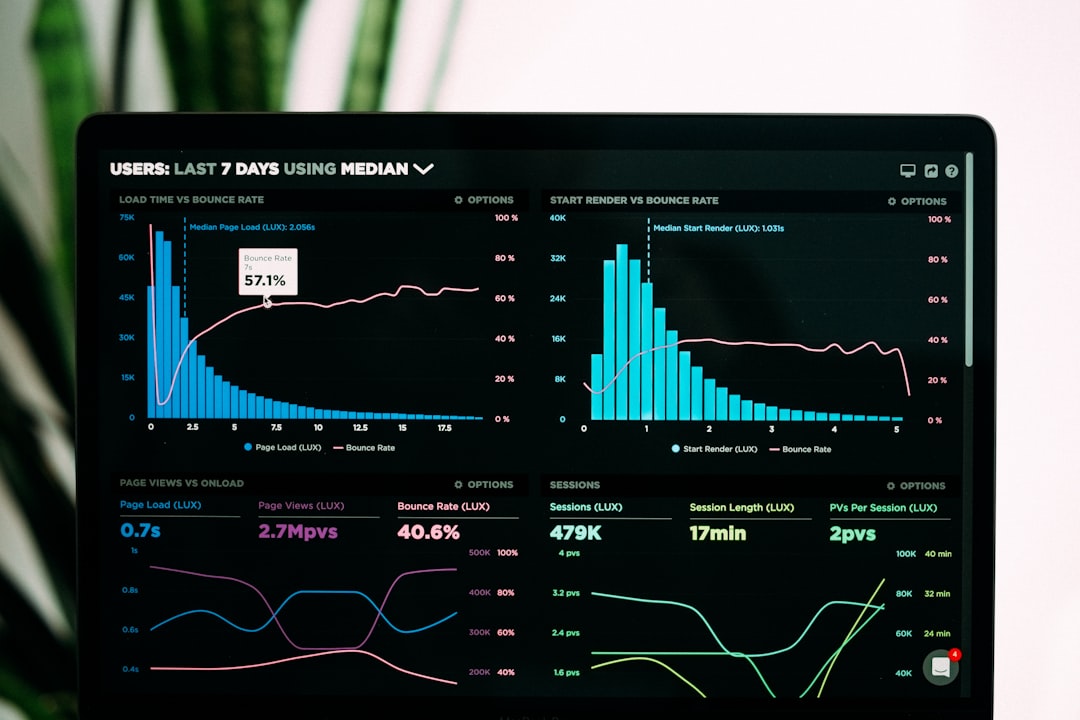
Clear communication with clients is essential. Reporting software transforms raw metrics into visually polished presentations. Agencies can generate automated reports with branded templates, charts, and executive summaries.
Key reporting tool capabilities include:
- Customizable dashboards
- White-label reporting options
- Scheduled automated exports
- Multi-campaign comparison views
By consolidating metrics from multiple influencers and platforms, reporting solutions provide a holistic view of campaign performance. This not only demonstrates value but also builds long-term client trust.
7. Payment and Compliance Management Solutions
Influencer campaigns involve financial transactions, tax documentation, and regulatory compliance. Specialized payment platforms help agencies manage:
- Global creator payments
- Invoice automation
- Tax form collection
- Compliance tracking for advertising disclosures
Transparent payment systems foster better relationships with influencers. Meanwhile, automated compliance checks ensure that sponsored content adheres to disclosure guidelines, reducing legal risk.
8. Integration and API Ecosystems
Modern agencies rarely operate using a single tool. Instead, they build integrated technology stacks. APIs allow influencer platforms to sync with:
- Email marketing systems
- Ecommerce platforms
- Affiliate tracking software
- Customer data platforms
Integration minimizes data silos and enhances accuracy. For example, ecommerce integrations allow agencies to directly attribute sales to specific influencers through tracking links and conversion pixels.
Emerging Trends in Influencer Tool Technology
The future of influencer outreach tools is shaped by artificial intelligence and automation. AI-driven features now include:
- Automated influencer matching
- Content performance prediction
- Smart contract templates
- Real-time fraud alerts
Additionally, micro and nano influencer tracking capabilities are becoming more refined. Agencies increasingly target smaller creators with highly engaged niche audiences. Tools must therefore process large volumes of smaller partnerships efficiently.
First-party data usage is also rising. As privacy regulations evolve, agencies rely more heavily on direct metrics collected via platform integrations instead of third-party cookies.
Why Technology Is Essential for Modern Agencies
Manual influencer outreach is no longer scalable. With thousands of creators and multiple social platforms, agencies need robust systems to manage complexity. Technology provides:
- Efficiency through automation
- Accuracy in performance tracking
- Scalability for large campaigns
- Clear ROI measurement
By combining discovery, outreach, analytics, and reporting tools, agencies create streamlined workflows that allow teams to focus on creativity and strategy rather than administrative tasks.
Ultimately, influencer marketing success depends on pairing human insight with technological precision. Agencies that leverage comprehensive outreach and analytics tools position themselves to deliver measurable results, foster stronger influencer relationships, and drive sustainable growth for their clients.
Frequently Asked Questions (FAQ)
-
What is the most important tool for influencer agencies?
There is no single most important tool; however, influencer discovery and analytics platforms are often considered foundational because they enable both partner selection and performance measurement. -
How do agencies detect fake followers?
Agencies use fraud detection features within analytics tools that analyze engagement consistency, sudden follower spikes, and audience authenticity metrics to flag suspicious activity. -
Can influencer outreach be automated?
Yes. Many platforms allow automated yet personalized email sequences, follow-ups, and pipeline management while still maintaining a human touch in communication. -
How do agencies measure ROI in influencer campaigns?
ROI is measured through tracked conversions, affiliate links, discount codes, and integrated ecommerce analytics that connect influencer activity directly to revenue. -
Are small agencies able to use these tools effectively?
Yes. Many platforms offer scalable pricing plans, allowing small agencies to adopt core features and expand capabilities as their client portfolio grows. -
What role does AI play in influencer analytics?
AI enhances influencer matching, predicts performance outcomes, analyzes sentiment, and improves fraud detection, making campaigns more efficient and data-driven.