


You just got your hands on the Slate Digital ML-1A. Or maybe you’re thinking about it. It looks sleek. It promises legendary mic models. And it sparks one big question.
Can you use your own microphone with Slate Digital ML-1A?
Let’s break it down in a fun and simple way.
TL;DR:
Yes, you can use your own microphone in your studio setup—but you cannot use mic modeling software designed for the ML‑1A with a different mic and expect accurate results. The ML‑1A works best with its specifically tuned capsule and Slate’s Virtual Microphone System. You can mix and match gear in your studio chain, but the modeling magic requires the ML‑1A itself. If you want the real intended experience, stick with the ML‑1A mic.
First, What Is the Slate Digital ML‑1A?
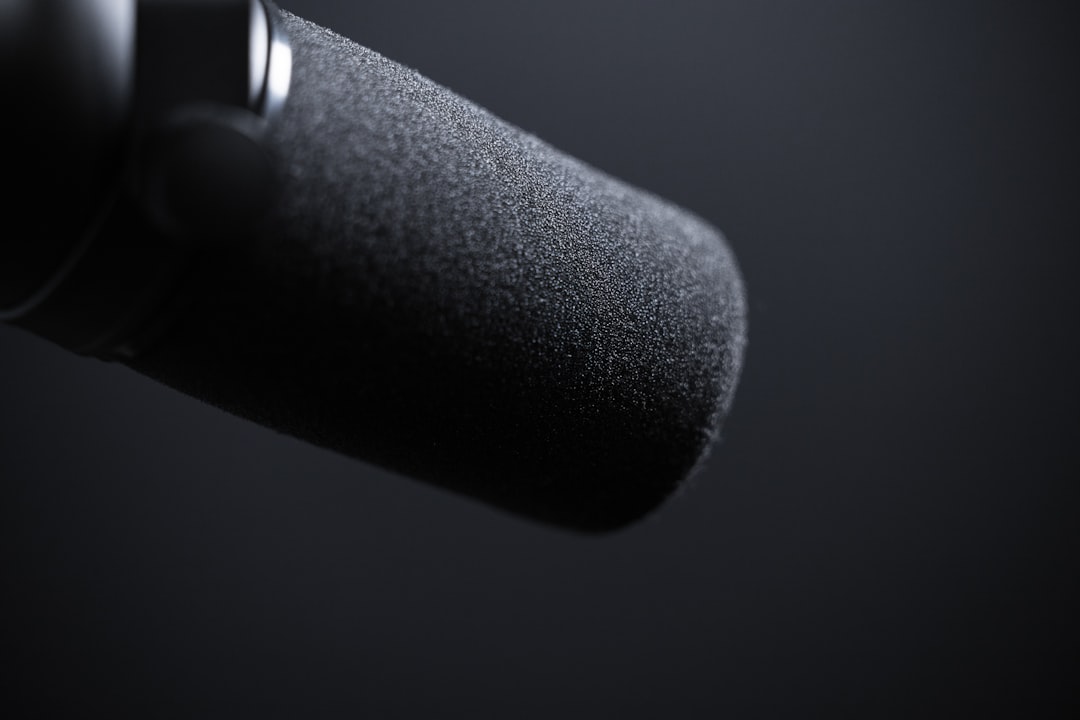
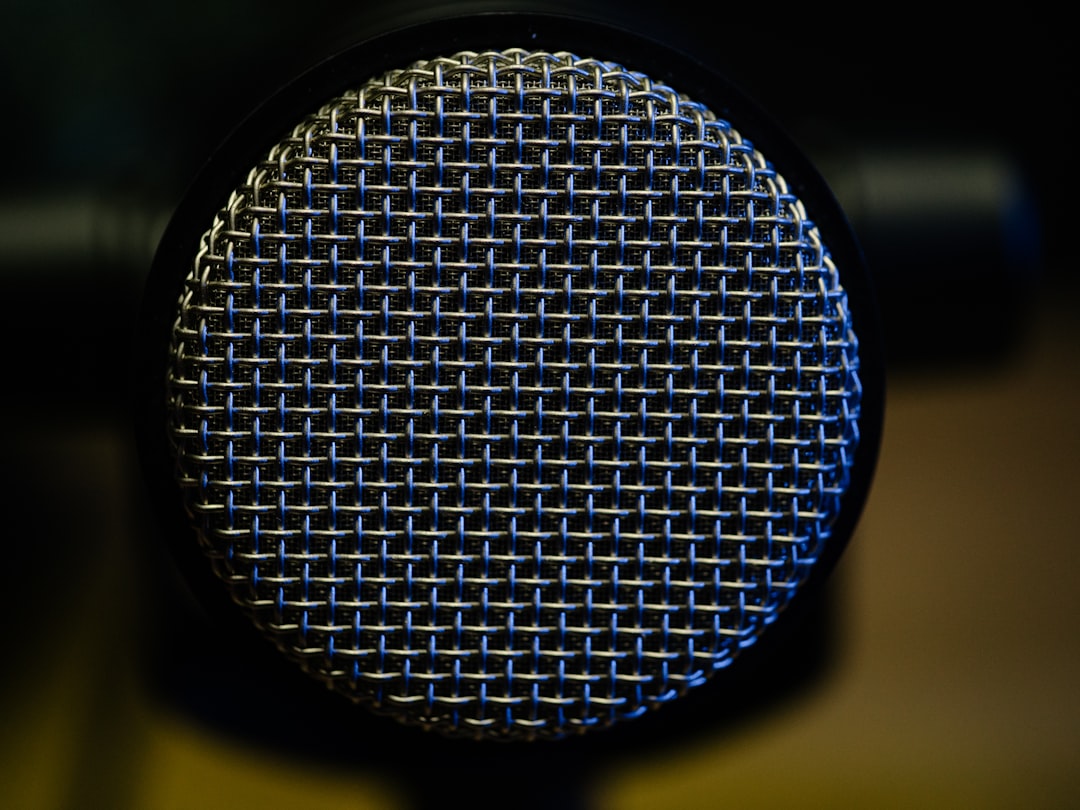
The ML‑1A is a large diaphragm condenser microphone. But it’s not just any condenser mic.
It’s part of Slate Digital’s Virtual Microphone System (VMS).
This system lets you:
- Record a clean, neutral mic signal
- Apply classic mic models later using software
- Switch between legendary microphones after recording
Think of it like shooting in RAW for photography.
You capture everything clean first. Then shape it later.
That flexibility is the whole point.
So… Can You Use Your Own Mic Instead?
Here’s the honest answer:
No. Not for true ML‑1A modeling.
Let’s explain why.
1. The Software Is Calibrated to the ML‑1A
Slate’s mic models are built around the exact frequency response of the ML‑1A.
This is critical.
The software “knows” how the ML‑1A behaves. It subtracts its natural tone. Then it adds the tone of the modeled mic.
If you plug in a different microphone:
- The starting frequency curve is different
- The capsule reacts differently
- The harmonic distortion is different
The math breaks.
The result? It won’t sound accurate.
2. Modeling Relies on Predictability
Mic modeling is not magic guessing.
It’s precise correction + enhancement.
If the source mic isn’t predictable, the model cannot be accurate.
This is why Slate does not officially support third‑party microphones for their modeling system.
But Wait — Can You Still Use a Different Mic in Your Studio?
Yes. Absolutely.
You just won’t get proper ML‑1A modeling from it.
Your studio signal chain can look like this:
- Your own mic
- Audio interface
- Digital Audio Workstation (DAW)
- Other plugins
You simply wouldn’t use the VMS mic modeling plugin expecting precision results.
You can still:
- Use EQ
- Use compression
- Use saturation
- Use reverb and delay
Plenty of options exist.
What Happens If You Try Anyway?
Let’s say you ignore the rules.
You put a random condenser mic into your interface.
You load up a Slate mic model plugin.
What happens?
Usually:
- The tone feels off
- The top end can sound harsh or dull
- The mids may become muddy
- The low end can boom or thin out
It won’t explode.
But it won’t sound like a real vintage U47 either.
When Would Using Your Own Mic Make Sense?
There are scenarios where skipping the ML‑1A is totally fine.
You Already Love Your Mic
If you own:
- Neumann
- AKG
- Shure
- Warm Audio
- Rode
And you love how it sounds?
You may not need modeling at all.
You’re Recording Loud Sources
Guitar amps.
Drums.
Brass.
Sometimes a dynamic mic works better than a modeling condenser.
You Want Simplicity
No plugins.
No emulations.
Just real sound.
That’s valid too.
ML‑1A vs Using Your Own Mic
Here’s a simple comparison chart to help you decide:
| Feature | Slate ML‑1A | Your Own Mic |
|---|---|---|
| Tone Flexibility | Extremely high with modeling | Limited to natural sound |
| Post Recording Adjustments | Change mic models anytime | Cannot change mic character |
| Accuracy of Vintage Emulations | Designed for precision | Not accurate with VMS |
| Plug and Play Simplicity | Requires plugin setup | Simple hardware setup |
| Creative Experimentation | Huge variety | Depends on mic collection |
| Best For | Producers who want options | Artists who love a specific tone |
Can You Combine ML‑1A With Other Mics?
Now this is where it gets fun.
Yes. You can absolutely combine them.
For example:
- Use ML‑1A for vocals
- Use a dynamic mic for guitar amp
- Use small diaphragm condensers for acoustic instruments
The ML‑1A does not replace every mic.
It replaces needing dozens of vintage vocal mics.
What About Using Third Party Modeling Software?
This is another common question.
Can you use other modeling plugins with your own mic?
Sometimes.
But accuracy varies.
Some software attempts more “coloring” rather than precise correction.
Those may work more loosely.
Slate’s system, however, is tightly integrated.
And that’s why the matching mic matters.
Why Did Slate Build It This Way?
Control.
Precision.
Consistency.
If they allowed any random microphone:
- Results would vary wildly
- Customers would complain about realism
- The brand reputation would suffer
By controlling the source mic, they control the outcome.
It’s like baking.
If the recipe requires specific flour, using almond flour changes everything.
Common Myths (Let’s Bust Them)
Myth 1: “Any clean condenser will work fine.”
Nope. Similar doesn’t mean identical.
Myth 2: “It’s just EQ curves.”
Wrong. Modeling includes:
- Harmonic behavior
- Transient response
- Non-linear saturation
Myth 3: “It won’t make much difference.”
It does. Especially in vocals.
Who Should Definitely Use the ML‑1A System Properly?
This system shines for:
- Home studio producers
- Remote vocalists
- Songwriters
- Small studios
- Budget-conscious creators
Why?
Because buying 10 vintage microphones is expensive.
The ML‑1A offers flexibility in one package.
When You Might Skip It
If you:
- Already own high-end analog microphones
- Record full bands with specialized mic techniques
- Prefer committing to tones on the way in
- Don’t enjoy plugin workflows
Then traditional microphones may suit you better.
The 2026 Bottom Line
Technology keeps improving.
Modeling keeps getting better.
But one thing hasn’t changed:
The ML‑1A system works best with the ML‑1A microphone.
You cannot swap in your own mic and expect identical results.
That’s not how it’s designed.
You can still build an amazing studio using whatever mic you love.
But if you want:
- Accurate vintage mic emulations
- Post-recording flexibility
- A consistent modeling experience
Stick with the intended hardware.
Quick FAQ
Can I use a dynamic mic with Slate VMS?
You can record with it. But you won’t get accurate modeling.
Will it damage the plugin if I use another mic?
No. It just won’t sound right.
Is the ML‑1A worth it in 2026?
For flexibility and home studios? Yes. Very much.
Can professionals use it?
Many already do.
Final Thoughts
Can you use your own mic with Slate Digital ML‑1A?
Yes and no.
Yes — you can use any mic in your studio.
No — you can’t replace the ML‑1A and still expect precise modeling.
The system is built as a pair.
Hardware plus software.
That’s where the magic happens.
Keep it simple.
Use the right tool for the job.
And most importantly?
Make great music.


)