


For years, Reddit has been one of the internet’s central hubs for discussion, niche communities, and viral content. But growing concerns over content moderation, corporate control, API restrictions, and data privacy have pushed many users to look elsewhere. Enter decentralized Reddit alternatives — platforms that aim to give power back to communities rather than corporations.
TLDR: Decentralized Reddit alternatives like Lemmy and Kbin offer community-driven experiences built on open protocols rather than corporate control. These platforms operate across connected networks, giving users more freedom, flexibility, and transparency. From microblog hybrids to fully federated link aggregators, each option has its strengths and quirks. If you’re looking for more control over your online discussions, these six platforms are worth exploring.
Decentralized platforms operate on federated or distributed systems, meaning no single company owns the entire network. Instead, independently run servers (often called “instances”) connect through shared protocols like ActivityPub. This structure allows users to choose communities aligned with their values while still interacting across the broader ecosystem.
Below are six of the most compelling decentralized Reddit alternatives available today.
1. Lemmy
Lemmy is arguably the most well-known decentralized Reddit alternative. Built using Rust and powered by the ActivityPub protocol, Lemmy functions much like Reddit: users create communities (similar to subreddits), post links or text, and vote content up or down.
What makes Lemmy unique is its federated design. Anyone can create and host their own instance. Each instance has its own moderation policies and community norms, yet users can subscribe to communities and interact across the entire “Fediverse.”
Key Features:
- Open-source and self-hostable
- Federated via ActivityPub
- Community-based moderation
- Similar user interface and voting system to Reddit
Why people like it: It feels familiar. If you’re accustomed to Reddit’s structure, transitioning to Lemmy is relatively seamless.
Downside: Because each instance is independently moderated, experiences can vary. New users may also feel confused about choosing the “right” server.
2. Kbin
Kbin blends Reddit-style aggregation with microblogging features similar to Mastodon. It supports both threaded discussions and short posts, making it a hybrid between Reddit and Twitter-like platforms.
Like Lemmy, Kbin uses ActivityPub, meaning users can interact across the Fediverse. You can follow magazines (similar to subreddits), participate in discussions, and even engage with Mastodon users — all from one account.
Key Features:
- Federated with Mastodon and other ActivityPub platforms
- Supports long-form threads and short microblogs
- Open-source and community-driven
- Upvote/downvote functionality
Why people like it: Its hybrid structure offers versatility. You aren’t limited to link aggregation; you can also engage in broader social conversations.
Downside: The user interface may feel less polished in some instances compared to mature centralized platforms.
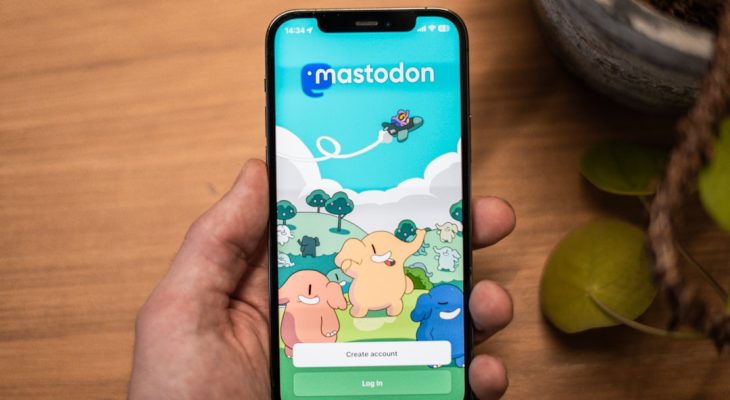
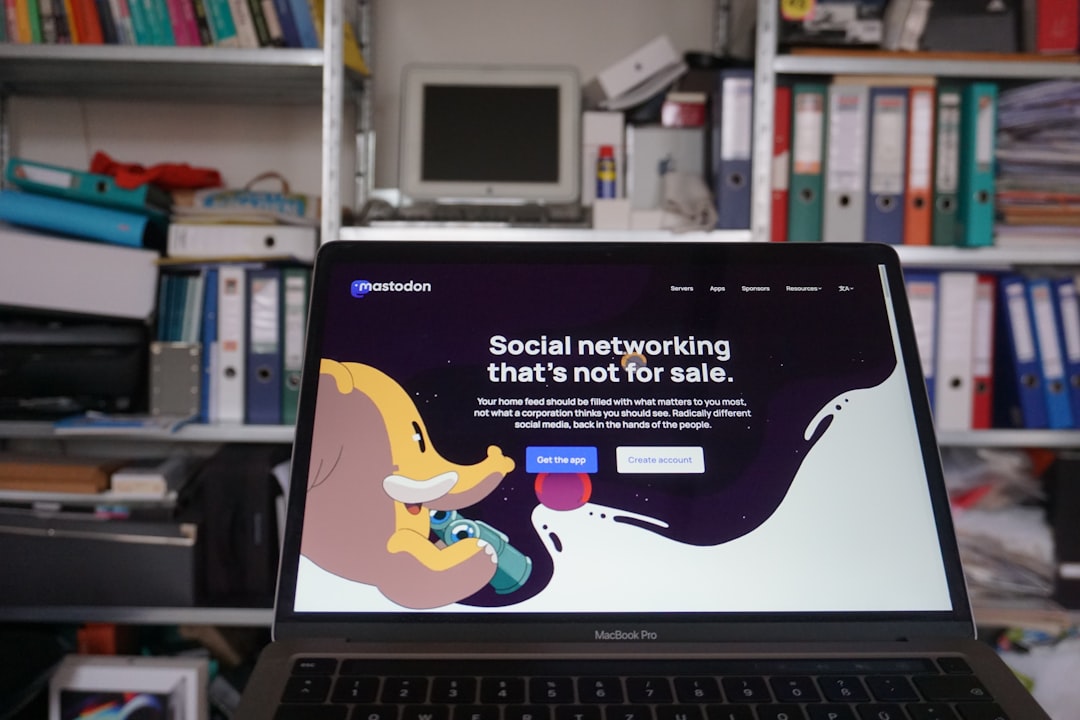
3. Mastodon (as a Reddit Alternative)
At first glance, Mastodon seems more like a Twitter alternative than a Reddit replacement. However, organized conversations through hashtags, community accounts, and topic-specific instances allow it to function as a decentralized discussion hub.
Some Mastodon servers are built around specific themes — technology, gaming, academia, art — replicating the niche-community dynamic Reddit is known for.

Key Features:
- Large, active Fediverse ecosystem
- Federated and independently moderated servers
- Strong privacy focus
- No algorithm-driven central feed
Why people like it: It’s one of the most established decentralized social networks with significant momentum and diverse communities.
Downside: It does not replicate Reddit’s threaded voting structure exactly. Content discovery works differently and relies more on follows and boosts than upvotes.
4. Aether
Aether is a lesser-known but innovative peer-to-peer discussion platform. Unlike federated systems with servers, Aether operates as a distributed network where users connect directly.
It emphasizes temporary content and democratic moderation. Moderators are elected, and communities can remove moderators through voting — a unique governance model compared to traditional online forums.
Key Features:
- Peer-to-peer, serverless architecture
- Democratically elected moderators
- Ephemeral content (posts expire by default)
- Open-source design
Why people like it: Its governance model is refreshingly democratic, and the temporary nature of posts reduces long-term toxicity.
Downside: Smaller user base and less continuous activity compared to Lemmy or Mastodon.
5. Tildes
While not fully decentralized in the federated sense, Tildes offers a community-first, non-corporate approach that attracts many Reddit expatriates. Created by a former Reddit developer, Tildes focuses on high-quality conversations over viral content.

The platform avoids public vote counts to reduce performative posting and discourages outrage-driven dynamics.
Key Features:
- Invitation-based membership (during certain periods)
- Strong moderation standards
- No ads or corporate ownership
- Emphasis on thoughtful discussion
Why people like it: Conversations feel more measured and less chaotic than typical large-scale social platforms.
Downside: It is not federated and remains relatively small and somewhat exclusive.
6. Scuttlebutt (Secure Scuttlebutt)
Secure Scuttlebutt, often accessed through clients like Patchwork or Manyverse, is a truly decentralized protocol built for peer-to-peer social networking. It works even offline, synchronizing when users reconnect to the internet.
This architecture makes it highly resilient, censorship-resistant, and privacy-focused. Conversations are replicated among trusted peers rather than stored on centralized servers.
Key Features:
- Offline-first functionality
- Fully peer-to-peer network
- Strong cryptographic identity model
- No central authority
Why people like it: It represents the purest form of decentralization and digital autonomy.
Downside: Technical barrier to entry is higher, and the ecosystem remains niche.
Why Decentralized Platforms Matter
Decentralized Reddit alternatives are not simply clones — they represent a philosophical shift. Instead of being users on a corporate platform, participants become stakeholders in a network. Communities decide their own rules. Moderation becomes local rather than dictated by headquarters. Data ownership shifts closer to the individual.
Key advantages typically include:
- Greater transparency
- Community-level governance
- Reduced risk of sudden corporate policy shifts
- Better privacy protections
However, decentralization also introduces new challenges. Discoverability can be fragmented. Joining requires choosing an instance. Moderation standards differ widely. And smaller networks may lack the constant flow of fresh content that keeps major platforms addictive.
How to Choose the Right Platform
If you’re considering making the switch, ask yourself:
- Do I want something that feels like Reddit? → Try Lemmy.
- Do I want hybrid social posting and aggregation? → Try Kbin.
- Do I value an established large community? → Mastodon might work best.
- Am I interested in democratic governance experiments? → Explore Aether.
- Do I prefer smaller, thoughtful discourse? → Tildes could be ideal.
- Am I privacy-focused and technically adventurous? → Consider Scuttlebutt.
Ultimately, the best decentralized platform depends on your appetite for experimentation. The ecosystem is still evolving rapidly, and user experience continues to improve.
The Future of Reddit Alternatives
The rise of Lemmy and Kbin, particularly after controversial decisions by centralized platforms, shows that people are increasingly aware of the trade-offs they make online. As the Fediverse grows, interoperability between platforms will likely expand, creating a wider social fabric that isn’t owned by any one company.
Decentralized systems may never completely replace massive corporate social networks — but they don’t have to. Their value lies in offering choice, autonomy, and resilience. In an era when digital spaces can reshape overnight due to policy changes or acquisitions, distributed communities provide a compelling alternative.
The internet was originally built as a decentralized network. These Reddit alternatives are, in many ways, a return to that philosophy — powered by modern tools, open protocols, and communities determined to shape their own digital future.
If you’ve ever felt uneasy about algorithmic feeds, sudden rule changes, or centralized moderation policies, exploring decentralized platforms might be your next logical step.