


Managing vendors and contracts has become increasingly complex as organizations rely on a growing network of suppliers, service providers, and strategic partners. Without a structured system in place, contracts get lost, renewals auto-trigger unexpectedly, and supplier performance becomes difficult to measure. Vendor management tools like Gatekeeper are designed to centralize, automate, and optimize these processes, helping companies reduce risk while improving visibility and control.
TLDR: Vendor management tools like Gatekeeper help organizations track contracts, monitor supplier performance, and automate compliance processes in one centralized platform. They reduce risk by providing visibility into contract renewals, obligations, and vendor performance metrics. These tools also streamline reporting, approvals, and collaboration across departments. Ultimately, they help businesses save time, lower costs, and strengthen supplier relationships.
Why Vendor and Contract Management Matters
Modern organizations often work with dozens, hundreds, or even thousands of vendors. Each relationship comes with contracts, service-level agreements (SLAs), compliance requirements, and renewal deadlines. When managed manually—through spreadsheets, emails, and shared drives—critical information can easily fall through the cracks.
Common challenges include:
- Missed contract renewals that lead to unwanted expenses
- Limited visibility into supplier performance and risk
- Fragmented documentation stored across multiple systems
- Lack of accountability for contract obligations
- Compliance risks due to incomplete audit trails
Vendor management tools solve these issues by consolidating data into a single, accessible platform.
What Are Vendor Management Tools?
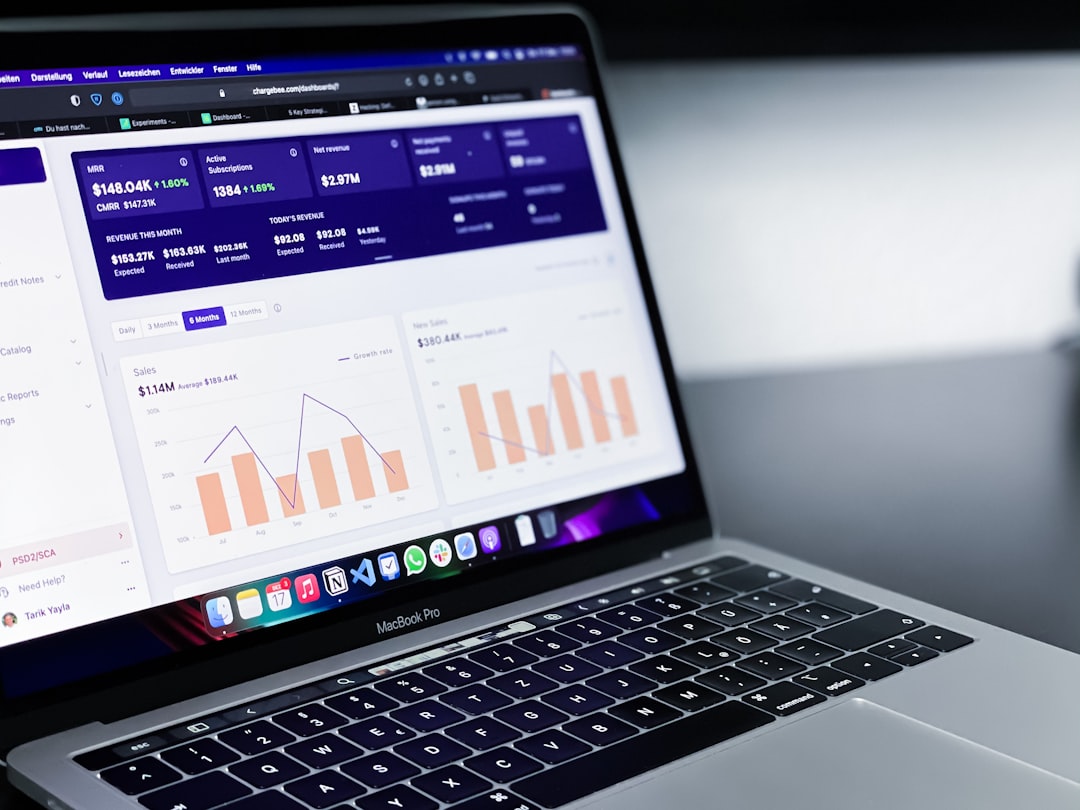
Vendor management tools are software platforms that help organizations manage the lifecycle of their vendor relationships—from onboarding and contract creation to performance monitoring and renewal. Tools like Gatekeeper focus heavily on contract lifecycle management (CLM) while integrating supplier tracking capabilities.
These platforms typically include:
- Centralized contract repositories
- Automated renewal reminders
- Supplier onboarding workflows
- Risk assessment tracking
- Performance scorecards
- Approval and workflow automation
- Audit-ready reporting tools
By combining these features, vendor management software becomes a strategic asset for procurement, finance, legal, and operations teams.
Key Features of Tools Like Gatekeeper
1. Centralized Contract Repository
At the core of vendor management platforms is a searchable, secure database for all contracts. Instead of scattering agreements across network drives or email threads, every document lives in one place.
Advanced features often include:
- Optical character recognition (OCR) for scanning paper contracts
- Keyword search functionality
- Role-based access permissions
- Version control tracking
This centralized approach ensures teams can locate critical clauses or agreements within seconds.
2. Automated Alerts and Renewals
Unwanted auto-renewals can cost companies thousands—or millions—of dollars annually. Vendor management tools automate renewal notifications and escalation workflows so key stakeholders are alerted well in advance.
Users can configure alerts based on:
- Contract expiry dates
- Insurance certificate renewals
- Performance review schedules
- Compliance document expirations
3. Supplier Performance Tracking
Vendor relationships should be evaluated regularly. Leading tools allow teams to track supplier KPIs using customizable scorecards.
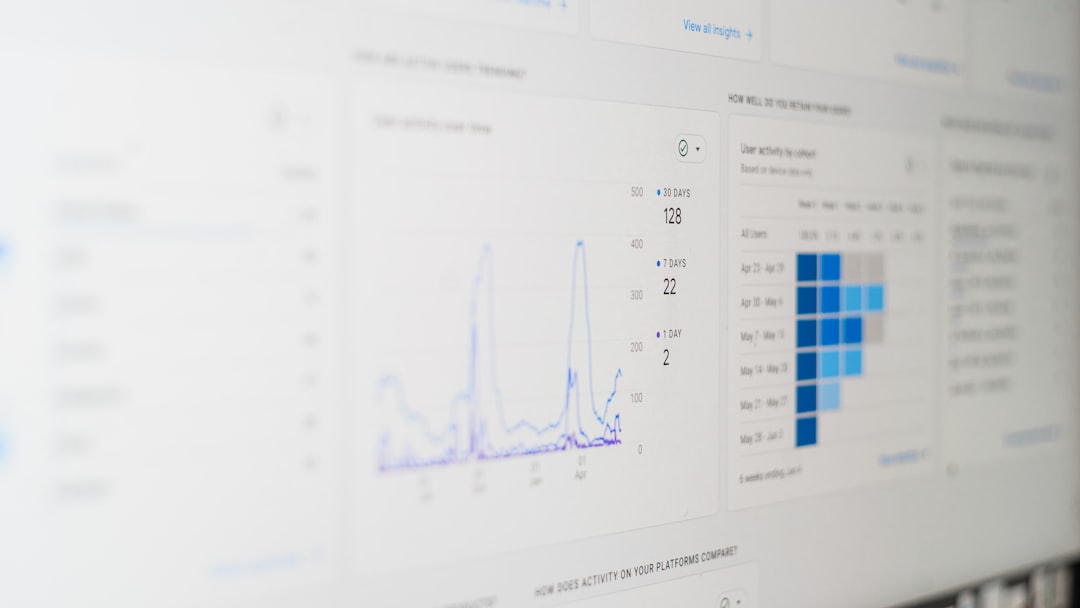
Performance metrics may include:
- Delivery timeliness
- Quality benchmarks
- Service response times
- Pricing adherence
- Compliance scoring
With these insights, businesses can make data-driven decisions about continuing or renegotiating vendor contracts.
4. Risk and Compliance Management
Regulatory environments are becoming stricter, especially in industries like finance, healthcare, and technology. Vendor management tools help track supplier certifications, insurance documents, and compliance obligations.
Risk scoring capabilities often categorize vendors by:
- Financial stability
- Cybersecurity posture
- Geopolitical exposure
- Operational impact
This structured oversight protects the organization from vendor-related disruptions.
5. Workflow Automation
Contract approvals and vendor onboarding can involve multiple departments. Automating workflows reduces delays and human error.
For example, a new vendor onboarding process might automatically route contracts to:
- Procurement for negotiation
- Legal for clause review
- Finance for budget verification
- Final executive approval
Each step is digitally logged, creating a clear audit trail.
Comparison of Popular Vendor Management Tools
While Gatekeeper is a well-known solution, several other platforms serve similar purposes. Below is a comparison chart highlighting key features.
| Feature | Gatekeeper | SAP Ariba | Coupa | Precoro |
|---|---|---|---|---|
| Central Contract Repository | Yes | Yes | Yes | Limited |
| Automated Renewal Alerts | Yes | Yes | Yes | Yes |
| Supplier Performance Tracking | Advanced | Advanced | Moderate | Basic |
| Risk Assessment Tools | Yes | Advanced | Advanced | Limited |
| Workflow Automation | Customizable | Highly Customizable | Customizable | Moderate |
| Best For | Mid large enterprises | Large enterprises | Procurement heavy firms | Small mid businesses |
Organizations typically select a solution based on company size, integration needs, and budget considerations.
Business Benefits of Using Vendor Management Tools
Improved Visibility
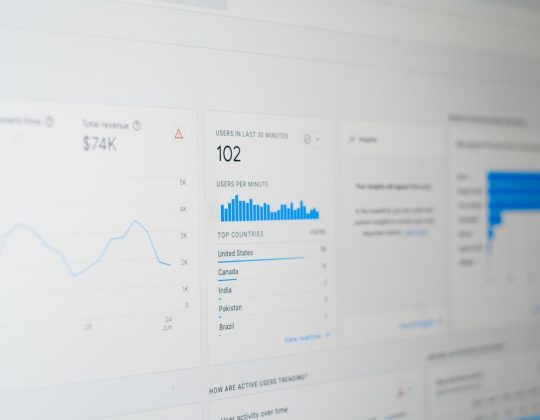
Executives gain real-time visibility into vendor relationships. Dashboards show total spend, contract statuses, and supplier risk levels at a glance.
Cost Savings
By identifying redundant vendors, renegotiating underperforming contracts, and preventing automatic renewals, companies often achieve measurable savings.
Stronger Compliance
Detailed audit trails and documentation support regulatory requirements and internal policies.
Enhanced Collaboration

With centralized data access, procurement, legal, finance, and operations teams collaborate more effectively. Communication flows through structured workflows rather than scattered emails.
Reduced Risk
Risk monitoring tools ensure vendors maintain up-to-date compliance documents and certifications. This proactive oversight minimizes disruptions caused by supplier failures.
Implementation Considerations
Adopting a vendor management tool requires careful planning. Successful implementation often includes:
- Data migration from existing spreadsheets or systems
- Stakeholder training across departments
- Defining standardized contract templates
- Establishing performance evaluation criteria
- Integrating with finance or ERP systems
Organizations may begin with contract management features and expand into broader supplier lifecycle management over time.
Industries That Benefit Most
Although nearly any organization can benefit from vendor management software, certain industries see particularly strong returns:
- Financial Services: For managing regulatory compliance and third-party risk.
- Healthcare: To track certifications and service-level agreements.
- Technology: For managing software licenses and vendor contracts.
- Manufacturing: To oversee supply chain reliability and pricing contracts.
- Government: For audit transparency and procurement accountability.
The Future of Vendor Management
As artificial intelligence and analytics capabilities continue to evolve, vendor management platforms are becoming more predictive. Emerging features include:
- AI-driven contract clause analysis
- Predictive supplier risk scoring
- Automated compliance gap detection
- Advanced spend analytics
These innovations aim to move vendor management from reactive tracking to proactive strategy. Instead of simply monitoring contracts, organizations can anticipate issues before they escalate.
Conclusion
Vendor management tools like Gatekeeper provide a structured, centralized approach to managing contracts and supplier relationships. By automating renewals, tracking performance metrics, and monitoring compliance, these platforms reduce operational risk and enhance decision-making. In an increasingly complex business environment, relying on spreadsheets and manual processes is no longer sustainable. Organizations that invest in comprehensive vendor management systems position themselves for greater efficiency, cost savings, and long-term supplier success.
Frequently Asked Questions (FAQ)
1. What is the difference between vendor management and contract management?
Vendor management focuses on the overall relationship with suppliers, including performance and risk monitoring. Contract management specifically handles the creation, tracking, and renewal of agreements. Many modern tools combine both functions.
2. How does Gatekeeper help track contract renewals?
Gatekeeper and similar platforms provide automated alerts and dashboards that notify stakeholders before contract expiration dates, helping prevent unwanted renewals or missed renegotiation opportunities.
3. Are vendor management tools suitable for small businesses?
Yes. While large enterprises often require advanced solutions, smaller businesses can benefit from simplified platforms that centralize contracts and provide basic renewal tracking.
4. Can vendor management software integrate with ERP systems?
Many platforms offer integrations with ERP, accounting, and procurement systems to synchronize vendor data, approvals, and financial information.
5. How long does it take to implement a vendor management tool?
Implementation timelines vary based on company size and system complexity, but most organizations can launch core features within a few weeks to several months.
6. What are the main risks of not using a vendor management tool?
Risks include missed renewals, compliance violations, poor supplier performance tracking, lack of visibility into total spend, and increased operational disruptions.