


Choosing student success software is no longer just an IT decision; it is a campus-wide strategy for improving retention, advising quality, and student outcomes. StudentTrac is one of the platforms institutions may consider when they want to centralize advising notes, monitor student progress, and create earlier intervention workflows before small issues become withdrawal risks.
TLDR: StudentTrac is a student success and case management platform designed to help schools track student engagement, advising history, alerts, and intervention outcomes in one place. It can be especially useful for institutions that rely on coordinated support between advisors, faculty, and student services; for example, a college using early alerts might identify 18% more at-risk students before midterm by combining attendance, grades, and advising notes. Pricing is typically quote-based, so schools should request a demo and compare implementation, training, and integration costs. Strong alternatives include EAB Navigate, Starfish, Aviso Retention, Salesforce Education Cloud, and Civitas Learning.
What Is StudentTrac?
StudentTrac is a student success software platform built to help educational institutions monitor student progress, coordinate advising, and manage intervention strategies. While exact capabilities can vary based on configuration and institutional needs, platforms like StudentTrac generally focus on one core goal: giving staff and faculty a clearer view of each student’s academic journey.
Instead of storing advising notes in spreadsheets, emails, paper files, or disconnected systems, StudentTrac aims to bring student information into a centralized environment. This helps advisors see previous interactions, understand risk indicators, and follow up more consistently. For colleges, universities, and career schools, that kind of visibility can make a meaningful difference in retention, persistence, and completion rates.
Key Features of StudentTrac
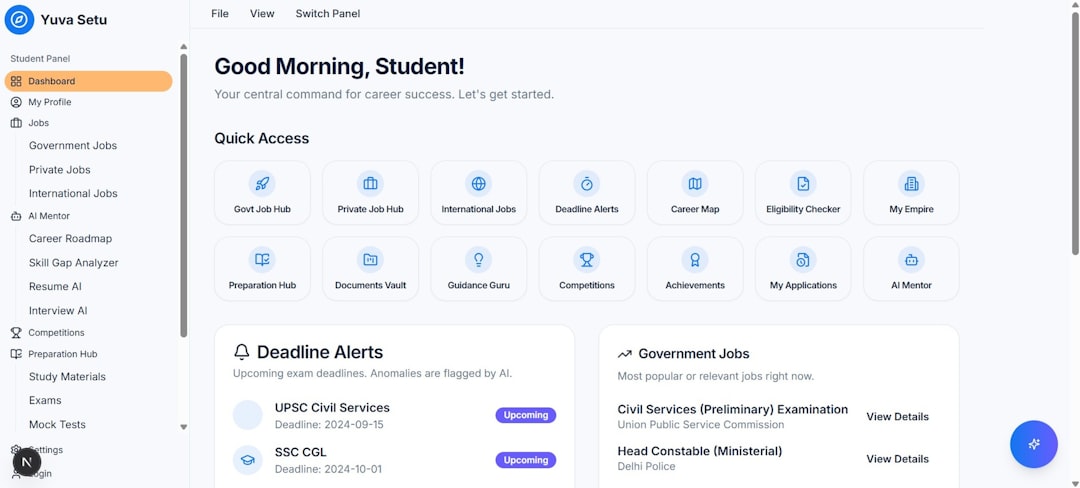
StudentTrac’s value depends on how well it supports day-to-day student support workflows. Here are the major feature categories schools should look for when evaluating the platform.
1. Student Profiles and Centralized Records
A strong student success system starts with a comprehensive student profile. StudentTrac can help institutions maintain centralized records that may include contact details, academic status, program information, advising history, notes, and student support activity.
This is useful because advisors often need quick context before meeting with a student. Instead of asking, “Has anyone already spoken with this student?” staff can review previous notes and continue the conversation with more confidence.
2. Advising and Case Management
StudentTrac is designed to support advising teams by organizing student interactions and follow-up tasks. Advisors can document meetings, assign action items, and track progress over time. This is especially helpful for institutions with multiple departments involved in student support, such as academic advising, financial aid, tutoring, disability services, and career services.
- Advising notes: Keep a record of student conversations and recommendations.
- Task tracking: Assign next steps to students or staff members.
- Follow-up reminders: Reduce the chance that an at-risk student slips through the cracks.
- Case visibility: Help departments coordinate without duplicating effort.
3. Early Alerts and Risk Monitoring
One of the most important features in any student success platform is the ability to identify students who may need help. StudentTrac may support early alerts based on faculty concerns, attendance patterns, academic performance, or staff referrals.
For example, if a student misses two consecutive classes, receives a low quiz score, and has not met with an advisor, the system can flag that student for outreach. This kind of workflow gives institutions a better chance to intervene while the student still has time to recover.
4. Communication Tools
Effective retention work depends on timely communication. StudentTrac may include tools for sending messages, documenting outreach, or coordinating communication between departments. The best systems make it clear who contacted the student, when they did it, and what the outcome was.
Why does this matter? Because students often receive messages from many offices. When communication is coordinated, students are less likely to feel overwhelmed and more likely to respond.
5. Reporting and Analytics
StudentTrac can also support institutional reporting by showing patterns in student engagement, advising activity, and intervention outcomes. Administrators may use dashboards or reports to answer questions such as:
- Which student groups are most likely to need intervention?
- How many alerts are resolved within seven days?
- Which advisors have the highest caseloads?
- Are tutoring referrals improving course completion?
- What percentage of at-risk students return the following term?
These insights are valuable for both operational decisions and long-term student success planning.

StudentTrac Pricing
StudentTrac pricing is not always publicly listed, which is common in the student success software market. Most platforms in this category use custom pricing based on institutional size, number of users, modules selected, implementation needs, and integrations.
When requesting a quote, schools should ask about the full cost of ownership, not just the software subscription. Important pricing questions include:
- Licensing model: Is pricing based on students, staff users, modules, or campus locations?
- Implementation fees: Are setup, configuration, and data migration included?
- Training: Does the vendor provide onboarding for advisors, faculty, and administrators?
- Integrations: Are there added costs to connect with the SIS, LMS, email, or authentication tools?
- Support: What level of customer support is included in the base package?
- Contract terms: Is the agreement annual, multi-year, or usage-based?
For smaller institutions, affordability and ease of implementation may be the deciding factors. For larger universities, scalability, data governance, reporting depth, and integration flexibility may matter more than the base subscription cost.
Who Is StudentTrac Best For?
StudentTrac may be a good fit for institutions that need a practical way to manage advising and intervention workflows without relying on disconnected tools. It is especially relevant for schools that want to improve communication between student-facing departments.
Best-fit users may include:
- Community colleges focused on retention and completion.
- Career and technical schools managing hands-on student support.
- Small to mid-sized colleges that need centralized advising records.
- Student services teams that want better case management.
- Institutions moving away from spreadsheets and manual tracking.
However, schools with complex predictive analytics needs, enterprise CRM requirements, or highly customized reporting expectations may want to compare StudentTrac carefully against larger platforms.
Student Success Software Alternatives
No single platform is ideal for every institution. The right choice depends on budget, staffing, technology ecosystem, and strategic goals. Here are several StudentTrac alternatives worth considering.
EAB Navigate
EAB Navigate is a widely used student success platform known for advising workflows, appointment scheduling, analytics, and coordinated care networks. It is often attractive to colleges and universities looking for a mature platform with strong retention-focused functionality.
Starfish by EAB
Starfish is another popular option for early alerts, advising appointments, kudos, referrals, and student engagement tracking. It is commonly used by institutions that want to improve faculty-to-advisor communication and make support services more visible to students.
Aviso Retention
Aviso Retention focuses on student success, retention analytics, coaching, and proactive intervention. It may be a good fit for institutions that want a combination of risk scoring, messaging, and case management.
Salesforce Education Cloud
Salesforce Education Cloud offers a broader CRM foundation for student lifecycle management. It can support recruitment, student success, alumni engagement, and service operations, but it may require more configuration and administrative expertise than more specialized platforms.
Civitas Learning
Civitas Learning emphasizes data-informed student success strategies and predictive analytics. Institutions interested in advanced insights, persistence modeling, and strategic retention planning may want to include it in their shortlist.
Ellucian CRM Advise
Ellucian CRM Advise is a natural consideration for institutions already using Ellucian systems. It supports advising, student engagement, and persistence initiatives while fitting into a broader Ellucian technology environment.
Pros and Cons of StudentTrac
Potential advantages:
- Centralizes student advising and support information.
- Helps teams coordinate interventions and follow-ups.
- Can reduce reliance on spreadsheets and siloed communication.
- Supports a more structured approach to retention work.
Potential limitations:
- Pricing may require a custom quote and sales consultation.
- Feature depth may vary depending on configuration.
- Institutions may need staff training to ensure consistent adoption.
- Advanced analytics needs may require comparison with larger platforms.
Final Verdict
StudentTrac is worth considering for schools that want to strengthen advising, improve student tracking, and create a more coordinated support model. Its appeal lies in helping institutions move from reactive student support to a more proactive, documented, and collaborative process.
Before choosing StudentTrac, request a demo using real institutional scenarios: an at-risk first-year student, a financial aid concern, a missed advising appointment, or a student nearing graduation with incomplete requirements. Then compare how StudentTrac and its alternatives handle alerts, communication, reporting, integrations, and ease of use. The best student success software is not simply the one with the longest feature list; it is the one your faculty and staff will actually use to help students stay enrolled, supported, and on track to graduate.