

Marinas are complex ecosystems where vessels, crews, schedules, and maintenance tasks must align seamlessly. As maritime tourism and private boating continue to grow, marina operators are turning to digital solutions to manage daily operations more efficiently. Marina management apps are transforming how staff track boats, handle bookings, and schedule maintenance—reducing administrative burdens while improving customer satisfaction.
TLDR: Marina management apps help operators track boats in real time, manage slip bookings, and streamline maintenance scheduling. These platforms reduce paperwork, automate billing, and improve communication with boat owners. With features like GPS tracking, online reservations, and maintenance alerts, marinas can operate more efficiently and profitably. Choosing the right tool depends on marina size, feature needs, and budget.
Traditionally, many marinas relied on spreadsheets, whiteboards, and manual logs to manage berths and boat movements. This often led to double bookings, missed maintenance schedules, and billing errors. Modern marina software consolidates these tasks into a centralized platform, enabling better oversight and control.
Why Marina Management Apps Are Essential
Running a marina involves much more than simply assigning slips. Operators must coordinate arrivals and departures, process payments, handle long-term contracts, track vessel documentation, and ensure infrastructure remains in good condition. Without digital tools, these responsibilities can quickly become overwhelming.
Modern apps provide:
- Real-time boat tracking for accurate berth allocation
- Automated booking systems to prevent scheduling conflicts
- Maintenance reminders to keep facilities safe and compliant
- Integrated billing and invoicing for faster payments
- Customer communication portals for updates and announcements
By centralizing operations, marinas can reduce errors, cut down on manual labor, and improve transparency for boat owners.
Key Features to Look for in Marina Management Apps
1. Boat Tracking and Slip Management
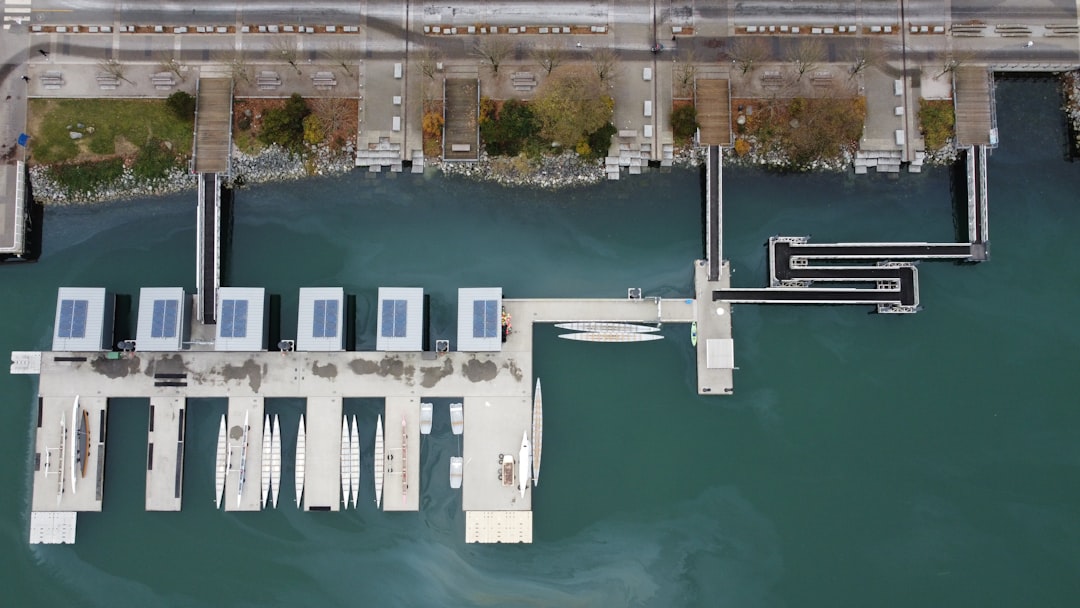
Accurate slip assignment is fundamental to smooth marina operations. Advanced systems use digital marina maps that visually represent berth occupancy. Some platforms integrate GPS or AIS data to track vessel movement within and around the harbor.
Features often include:
- Drag-and-drop berth allocation
- Color-coded occupancy status
- Waiting list management
- Dock space optimization tools
This visibility helps marina staff anticipate congestion and allocate space efficiently during peak seasons.
2. Online Booking and Reservations
Online booking functionality allows boaters to reserve slips in advance through web portals or mobile apps. This reduces phone calls and walk-in administrative tasks while providing customers with a seamless reservation experience.
Booking features may include:
- Real-time availability calendars
- Dynamic pricing for peak seasons
- Automated confirmation emails
- Secure online payments
Automation ensures that double bookings become a thing of the past and maximizes occupancy rates.
3. Maintenance Management
Maintenance tracking is critical for safety and regulatory compliance. Marina infrastructure—docks, fueling stations, electrical hookups, and sanitation systems—requires routine inspections and timely repairs.

Many marina apps include:
- Preventive maintenance scheduling
- Work order creation and tracking
- Inventory management for spare parts
- Vendor coordination tools
Maintenance logs are digitally stored, making audits and compliance reviews significantly easier.
4. Billing and Accounting Integration
Financial management is another core component. Whether charging for short-term dockage, long-term leases, storage, or fuel services, marinas benefit from integrated invoicing and accounting tools.
Typical financial features include:
- Automated recurring billing
- Customizable rate structures
- Tax calculation tools
- Integration with accounting software
Accurate billing improves cash flow and eliminates revenue leakage caused by manual errors.
5. Customer Relationship Management (CRM)
Customer satisfaction plays a central role in marina reputation. CRM features allow staff to store vessel details, owner contact information, service history, and special preferences.
With this information readily accessible, marinas can:
- Send alerts about weather conditions
- Notify customers of maintenance schedules
- Offer loyalty discounts
- Communicate marina events and promotions
Popular Marina Management Apps
Several platforms have established themselves as leaders in the marina software space. Below is a comparison of widely used solutions.
| Software | Best For | Key Features | Cloud Based |
|---|---|---|---|
| DockMaster | Large marinas and boatyards | Comprehensive billing, service management, inventory tracking | Yes |
| Harbour Assist | Medium-sized marinas | Slip management, invoicing, CRM, reporting tools | Yes |
| MarinaOffice | Growing marinas | Booking automation, maintenance scheduling, real-time dashboards | Yes |
| PacsoftNG | Marinas with boatyards | Work orders, yard operations, accounting integration | Yes |
| Harba | Modern smart marinas | IoT integration, sensor monitoring, automated billing | Yes |
Each tool serves slightly different operational needs. Large facilities may prioritize service yard management, while smaller marinas may focus primarily on reservations and customer communication.
Benefits of Implementing a Marina Management App
Operational Efficiency
Automation saves time previously spent on manual data entry and paperwork. Digital records are easier to search, update, and analyze.
Improved Revenue Management
With real-time occupancy insights and automated billing, marinas can optimize slip utilization and reduce lost income.
Enhanced Customer Experience
Boat owners appreciate quick booking confirmations, transparent billing, and easy communication. A smooth digital experience fosters loyalty.
Data-Driven Decision Making
Analytics dashboards provide insights into occupancy trends, seasonal revenue fluctuations, and maintenance costs. Managers can make informed strategic decisions based on real performance metrics.
Scalability
As marinas expand, cloud-based systems grow with them, allowing additional users, slips, and services without restructuring workflows.
Integration with Smart Marina Technology
Some advanced marina platforms integrate with IoT devices and smart sensors to monitor water levels, electricity usage, and dock conditions. These innovations enhance safety and energy efficiency.

Examples of smart integrations include:
- Shore power consumption monitoring
- Automatic gate access control
- Environmental sensors for weather tracking
- Digital key management systems
Such integrations pave the way for fully “smart” marinas, where data streams continuously inform operational decisions.
Challenges to Consider
Despite numerous advantages, implementing marina management software requires planning.
- Initial Costs: Subscription fees and training expenses may be substantial.
- Staff Training: Employees must learn to navigate new systems.
- Data Migration: Transferring legacy data can be time-consuming.
- Cybersecurity: Protecting customer and payment information is essential.
However, these challenges are typically offset by long-term operational gains.
How to Choose the Right Marina Management App
When evaluating solutions, marina operators should:
- Assess the size and complexity of their operations.
- Identify must-have features versus optional enhancements.
- Request demos or trial periods.
- Check integration capabilities with existing accounting systems.
- Review customer support and training resources.
Choosing a scalable and user-friendly platform ensures a smooth transition and greater adoption among staff.
The Future of Marina Management
The marina industry is steadily embracing digital transformation. Future apps will likely incorporate AI-driven forecasting, predictive maintenance scheduling, and enhanced automation of customer service tasks.
As sustainability becomes a larger focus, marina software may also provide tools for monitoring environmental impact and managing eco-friendly initiatives. From fuel tracking to waste management metrics, technology will continue to play a vital role.
Ultimately, marina management apps are not merely convenience tools—they are strategic assets that enable marinas to operate competitively in an increasingly digital world.
Frequently Asked Questions (FAQ)
1. What is a marina management app?
A marina management app is software designed to help marina operators manage boat tracking, slip bookings, billing, maintenance scheduling, and customer communications through a centralized digital platform.
2. Can small marinas benefit from management software?
Yes. Even small marinas benefit from automated booking systems, digital billing, and maintenance tracking, which reduce administrative workload and improve accuracy.
3. Are these apps cloud-based?
Most modern marina management systems are cloud-based, allowing access from multiple devices and reducing the need for on-site servers.
4. How do marina apps improve maintenance management?
They allow staff to schedule preventive maintenance, create digital work orders, track inventory, and store inspection records for compliance purposes.
5. What should marinas consider before implementation?
They should evaluate budget, feature requirements, integration capabilities, staff training needs, and cybersecurity measures before selecting a platform.
6. Do marina management apps support mobile use?
Many platforms offer mobile-friendly dashboards or dedicated apps, enabling dock staff to update berth status and maintenance tasks directly from the dock.
7. Can these systems integrate with accounting software?
Yes. Many marina apps integrate with popular accounting platforms to streamline invoicing, payments, and financial reporting.