


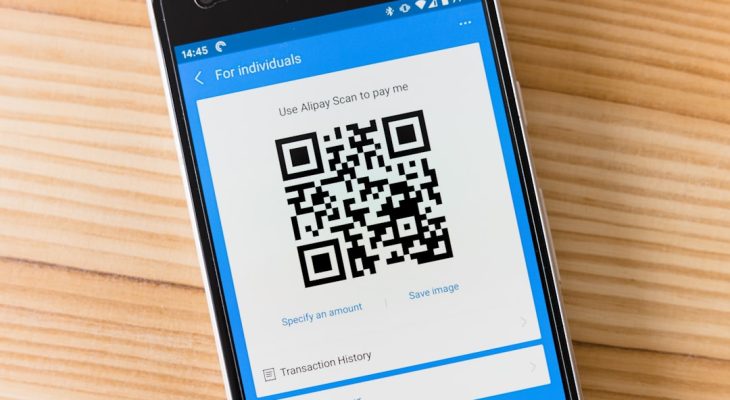
Walk through a grocery aisle, open a new gadget, pick up a cosmetics bottle, or receive a parcel, and you may notice a small square sticker inviting you to scan. That simple QR code sticker is doing much more than linking to a website. It is becoming a bridge between the physical object in your hand and a digital experience designed to inform, reassure, entertain, and convert.
TLDR: QR code stickers connect physical products to digital content such as tutorials, authenticity checks, loyalty programs, reviews, manuals, and personalized offers. They help brands make packaging more interactive while giving customers instant access to useful information. For businesses, they also provide valuable insights into customer behavior after a product leaves the store. As mobile scanning becomes second nature, QR stickers are turning everyday products into connected touchpoints.
From Simple Labels to Interactive Gateways
QR codes are not new, but their role has changed dramatically. Once viewed as a novelty or a clunky marketing trick, they are now widely understood thanks to smartphones, contactless menus, digital payments, and app-free scanning. Today, a QR code does not need to be explained. A customer sees it, points a phone camera at it, and expects something useful to happen.
That expectation is what makes QR code stickers so powerful. Unlike printed packaging that is fixed at the time of production, a sticker can be added to almost any surface, modified for specific campaigns, and used across small or large batches. It can sit on a glass jar, shipping box, product tag, appliance, book, bottle, display stand, or warranty card. In a few square centimeters, it can unlock a digital world that packaging alone could never contain.

Why Physical Products Need Digital Extensions
Modern customers want more than a transaction. They want transparency, convenience, and confidence. A label may show ingredients, materials, or basic instructions, but space is limited. A QR code sticker solves this problem by giving the product an expandable digital layer.
For example, a skincare brand can link to a video showing how to use a serum correctly. A coffee roaster can share the origin story of the beans, brewing guides, and farmer profiles. A furniture company can provide assembly videos, digital manuals, spare parts ordering, and care instructions. A supplement brand can connect buyers to lab test results, dosage information, and subscription options.
In each case, the sticker turns a static object into an interactive product experience. The product becomes not only something to use, but something to explore.
Common Digital Experiences Powered by QR Code Stickers
The value of a QR code sticker depends on what happens after the scan. The most successful uses are not random links to a homepage, but carefully planned experiences that match the customer’s needs at that exact moment.
- Product tutorials: Short videos, step-by-step guides, or interactive instructions can reduce confusion and improve satisfaction.
- Digital manuals: Instead of bulky printed booklets, brands can provide searchable online guides that are easy to update.
- Authentication checks: Customers can verify whether an item is genuine, especially useful for luxury goods, electronics, supplements, and collectibles.
- Loyalty programs: Scans can lead to points, rewards, discounts, or customer accounts.
- Customer reviews: A sticker can encourage buyers to leave feedback at the moment they are most engaged.
- Reordering and subscriptions: Consumable products can link directly to a reorder page or subscription offer.
- Sustainability information: Brands can share recycling instructions, sourcing details, carbon impact data, or certifications.
- Augmented reality: Some products can trigger immersive experiences, such as virtual try-ons or 3D demonstrations.
These experiences add practical value while also strengthening the relationship between the customer and the brand.
Making Packaging More Useful Without Cluttering It
Packaging has always had to balance beauty and information. Designers want clean visuals, while legal teams, marketers, and customers all need details. QR code stickers help solve this tension. They keep the physical design simple while allowing deeper information to live online.
This is especially useful for small products where label space is limited. A tiny bottle, cosmetic tube, food pouch, or electronics accessory may not have room for multilingual instructions, certifications, safety details, or brand storytelling. A well-placed QR sticker allows all of that information to remain accessible without overwhelming the package.
It also gives businesses flexibility. If instructions change, a promotion ends, or new compliance details need to be added, the destination page can often be updated without reprinting the physical sticker. That makes QR codes a practical tool for both marketing and operations.
Building Trust Through Transparency
One of the most important uses of QR code stickers is trust-building. Shoppers are increasingly skeptical of vague claims like natural, premium, or sustainably made. A QR code can support those claims with evidence.
A food producer might link to information about farms, production methods, allergen controls, or nutritional details. A clothing label might show where a garment was made, what materials were used, and how to care for it responsibly. A wine bottle might share vineyard notes, tasting recommendations, and vintage details. The more specific and useful the content, the more credible the brand becomes.
QR code stickers are also effective in industries where counterfeiting is a concern. By scanning a unique code, customers can confirm authenticity, register ownership, or report suspicious products. This protects both the buyer and the brand’s reputation.

Creating Post Purchase Engagement
For many brands, the customer journey becomes blurry after purchase. A product is bought, taken home, opened, and used, but the brand may not know what happens next. QR code stickers offer a direct way to continue the conversation.
A scan after purchase can guide the customer to setup instructions, usage tips, troubleshooting help, or support chat. This reduces frustration and may lower the number of returns. It can also introduce customers to related products, warranty registration, refill programs, or membership benefits.
This post-purchase moment is valuable because the customer already has the product in hand. They are not just browsing; they are engaged. A helpful digital experience can turn a one-time buyer into a repeat customer.
Data Insights for Smarter Marketing
QR code stickers do not just benefit customers. They also give businesses a clearer view of how products perform in the real world. Depending on the platform and privacy settings used, brands may learn when and where scans happen, which products generate the most engagement, and which calls to action are most effective.
For example, a beverage brand might discover that customers scan codes more often during events than in stores. A home goods company might learn that assembly videos are the most visited content, signaling the need for better printed instructions or product design changes. A cosmetics company might compare engagement across product lines, packaging styles, or retail locations.
These insights can improve future campaigns, packaging decisions, customer support, and product development. The QR sticker becomes a small but meaningful source of real-world feedback.
Design Matters: A QR Sticker Must Invite Action
Although QR codes are functional, presentation still matters. A code placed awkwardly on a curved surface, printed too small, or surrounded by clutter may be ignored or fail to scan. A successful QR code sticker should be easy to notice, easy to scan, and clear about the benefit.
Good QR sticker design often includes:
- A clear call to action: Phrases like “Scan for setup,” “Verify authenticity,” “Get 10% off your next order,” or “Watch the tutorial” tell customers why they should scan.
- Strong contrast: The code should be readable against the sticker background.
- Appropriate size: The code must be large enough for phone cameras to detect easily.
- Smart placement: The sticker should sit where customers naturally look or interact with the product.
- Mobile-friendly destination: Since scans happen on phones, the landing page must load quickly and display well on small screens.
The best QR code stickers feel like part of the product experience, not an afterthought.
Personalization and Dynamic Content
One reason QR code stickers are becoming more interesting is the rise of dynamic QR codes. Unlike static QR codes, which point to a fixed destination, dynamic codes can redirect to different content over time or based on campaign goals. This means a brand can update the experience without changing the printed sticker.
Dynamic content could include seasonal promotions, region-specific pages, personalized onboarding, limited edition information, or event-based experiences. A product sold in different countries can send users to language-specific content. A limited-run collectible can link to exclusive digital artwork or membership access. A food product can rotate recipes throughout the year.

This flexibility is one of the reasons QR stickers are useful for both small businesses and large enterprises. They allow physical inventory to stay relevant even as digital campaigns evolve.
Improving Sustainability and Reducing Waste
QR code stickers can also support sustainability goals. By moving manuals, catalogs, warranty cards, and extensive instructions online, companies may reduce paper usage and packaging weight. Customers can still access the information they need, but without unnecessary printed inserts that are often discarded immediately.
They can also educate consumers about disposal and recycling. Many people want to recycle properly but are unsure how. A QR sticker can provide location-specific recycling guidance, refill options, or repair resources. For durable goods, linking to maintenance advice can extend product life and reduce replacement waste.
Of course, stickers themselves must be considered thoughtfully. Materials, adhesives, and placement should not interfere with recycling streams or product use. The most responsible approach is to make the digital benefit meaningful enough to justify the physical label.
Challenges Brands Should Avoid
While QR stickers are simple to produce, poor execution can weaken their impact. The most common mistake is sending users to a generic homepage. Customers scan because they expect instant relevance. If they have to search for the promised information, the experience fails.
Another mistake is failing to maintain the linked content. Broken links, outdated promotions, slow pages, or non-mobile layouts can make a brand feel careless. Security also matters. Customers should feel confident that scanning the code leads to a safe and legitimate destination, especially for payments, registrations, or authentication.
Finally, brands should respect privacy. If scan data is collected, it should be handled responsibly and in line with applicable laws. Trust is easy to lose when digital experiences feel intrusive.
The Future of Connected Products
QR code stickers are part of a larger shift toward connected commerce. As customers become more comfortable moving between physical and digital spaces, products will increasingly act as entry points to services, communities, and content. A jar of sauce can lead to recipes. A sneaker can lead to authenticity verification and styling ideas. A toy can unlock games. A medical device can connect to support resources. A book can offer author interviews, discussion guides, or bonus chapters.
In the future, QR stickers may work alongside technologies such as NFC tags, augmented reality, digital product passports, and blockchain-based verification. But their biggest advantage will remain their simplicity. They are affordable, familiar, and accessible to anyone with a smartphone.
For businesses, the opportunity is clear: a QR code sticker should not be treated as a decorative tech element. It should be part of a thoughtful customer experience strategy. When the scan delivers something useful, enjoyable, or reassuring, the physical product becomes more valuable.
Conclusion
QR code stickers are quietly transforming everyday products into digital touchpoints. They help brands share more information, build trust, support customers, gather insights, and extend engagement long after purchase. For customers, they offer convenience: the right information at the right moment, delivered through the phone already in their hand.
As physical and digital experiences continue to merge, the humble QR code sticker will remain one of the most practical tools for connection. Small in size but large in potential, it turns packaging, labels, and products into gateways for richer, smarter, and more interactive experiences.