

Start with Skedda or Robin if room booking is your main pain; pick Planning Pod or Tripleseat if full event operations matter more. EMS Booking System is often used by campuses, hotels, councils, and corporate offices, but many teams now want cleaner calendars, faster approvals, and less admin work. Event software is no longer a small category either: Allied Market Research projected the event management software market to reach $18.4 billion by 2027 [source: Allied Market Research].
TLDR: If your team handles venue reservations, internal room bookings, or event logistics, there are strong EMS alternatives worth testing. For example, a university events office processing 120 booking requests per week could cut back email chains by moving approvals, room rules, and equipment requests into one booking flow. Skedda fits self-service spaces, Robin fits offices, Planning Pod suits event teams, and Tripleseat is best for hospitality venues. The right choice depends on whether you need room control, event planning, or sales and catering tools.
Why teams replace EMS booking tools
EMS can work well for large, rule-heavy operations. Still, many users hit the same wall: setup takes time, training can feel heavy, and small changes may need admin help. Honestly, it feels like some older booking systems turn a five-second edit into an eight-click chore.
Modern scheduling platforms focus on speed. They give non-technical users clearer calendars, simple request forms, mobile-friendly pages, and better automatic messages. That matters when the front desk, catering team, AV staff, security, and finance all need the same booking details.
1. Skedda: best for self-service room and venue reservations
Skedda is a strong EMS alternative for teams that manage bookable spaces. Think classrooms, studios, sports courts, coworking rooms, meeting rooms, labs, and community venues. Its biggest strength is the booking map. Users can see space availability and reserve a room without emailing three people first.
Skedda is useful when you need:
- Visual floor plans for rooms and zones
- Booking rules by user group, time, space, or role
- Payments for paid reservations
- Approval workflows for restricted spaces
- Calendar sync with tools like Google Calendar and Outlook
The catch is that Skedda is more about reservations than full event production. If you need menus, banquet orders, long vendor lists, or deep event budgets, it may feel too simple. But for clean, fast space booking, it is one of the easiest options to understand.
2. Robin: best for workplace scheduling and hybrid offices
Robin is a good fit for companies managing meeting rooms, desks, workplace resources, and office attendance. It works well when the main question is, “Who is coming in, where will they sit, and what room can they use?”
Robin is not a classic event management suite. It is more focused on office coordination. That makes it useful for HR teams, facilities teams, and operations managers who need less chaos around room use and desk availability.
Key features include:
- Desk booking for hybrid teams
- Meeting room scheduling with live availability
- Office maps so staff can find people and places
- Visitor and workplace insights
- Integrations with common calendar systems
Robin is best when the “event” is an internal meeting, workshop, interview, or team day. It is less ideal for public events, wedding venues, or complex multi-day conferences.
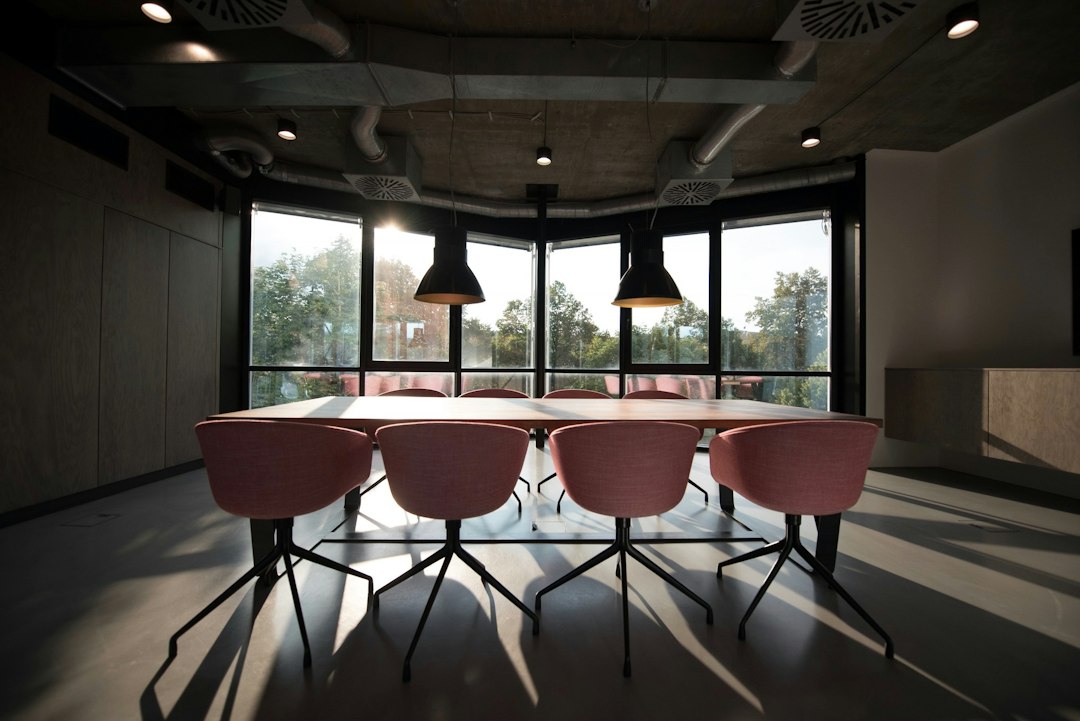
3. Planning Pod: best for event planning and resource coordination
Planning Pod is built for event professionals who need more than a room calendar. It covers bookings, proposals, timelines, floor plans, forms, contracts, invoices, and task lists. This makes it a strong choice for event venues, planners, nonprofits, and teams running conferences or fundraisers.
Planning Pod helps when the booking is only one part of the job. After the date is reserved, someone still needs to assign staff, approve layouts, track payments, manage documents, and keep clients updated.
Its strongest areas include:
- Event timelines and task tracking
- Venue booking calendars
- Floor plan tools
- Contracts and invoices
- Lead and client management
This is a better EMS replacement if your team runs events from first inquiry to final invoice. It may be more than you need if you only book internal rooms.
4. Tripleseat: best for hotels, restaurants, and event sales teams
Tripleseat is built for hospitality venues. Restaurants, hotels, private dining spaces, clubs, and event venues use it to manage leads, bookings, proposals, contracts, and banquet event orders. If your EMS setup feels weak on sales follow-up, Tripleseat may be a better match.
It shines when revenue matters. A catering manager can respond to an inquiry, send a proposal, reserve a room, collect a signed agreement, and share event notes with the kitchen or service team. That flow saves time and reduces missed details.
Best-fit use cases include:
- Private dining bookings
- Hotel event spaces
- Banquet event orders
- Sales pipeline tracking
- Catering coordination
The downside? Tripleseat is not aimed at every type of organization. A campus scheduling team may find parts of it too sales-focused. A restaurant group, though, may find it far more practical than a general room booking system.
How to choose the right EMS alternative
Start with the job your team repeats every day. If users mainly reserve spaces, choose Skedda. If employees need desks and meeting rooms, choose Robin. If your team manages full event plans, choose Planning Pod. If you sell private events or catering, choose Tripleseat.
Before signing a contract, test these five items:
- Booking speed: Can a normal user request a room in under two minutes?
- Approval rules: Can managers approve without hunting through email?
- Resource tracking: Can you attach AV, tables, staff, and catering?
- Calendar clarity: Can everyone see conflicts before they happen?
- Reporting: Can you track room use, revenue, no-shows, and staff load?
The best EMS alternative is not always the biggest platform. It is the one your team will actually use without sighing every time a booking changes.