


Choose Square Marketing if your store already runs on Square POS; choose Klaviyo if email, SMS, segmentation, and repeat purchase campaigns matter more than setup speed. For brick-and-mortar retail, the best choice depends on where your customer data lives. Square starts from the register, while Klaviyo starts from customer behavior and campaign depth. Square’s retail footprint is large too: Block reported $209.6 billion in Square GPV in 2023 [source: Block].
TLDR
Square Marketing is the easier pick for a single-location shop using Square POS. A coffee shop with 2,500 customer profiles could send a “free pastry with latte” email in minutes using saved purchase data. Klaviyo is stronger for retailers that want sharper targeting, such as sending different offers to VIPs, lapsed shoppers, and first-time buyers. If a boutique raises repeat purchases by even 8% from a 5,000-person list, Klaviyo’s extra setup can pay off fast.
Quick Verdict: Which Platform Fits Your Store?
Square Marketing wins on simplicity. It is built for stores that already use Square for checkout, customer records, appointments, loyalty, or gift cards. You can build campaigns from real sales data without stitching together a messy tech stack.
Klaviyo wins on campaign control. It gives retailers more advanced segmentation, stronger automation, deeper reporting, and better support for online-plus-offline selling. If you sell in-store and through Shopify, WooCommerce, BigCommerce, or a custom ecommerce setup, Klaviyo usually gives you more room to grow.
The catch is that Klaviyo can feel like a lot at first. Expect to spend more time setting up lists, flows, tags, consent rules, and integrations. Square feels more direct. Klaviyo feels more powerful.
Where Square Marketing Shines
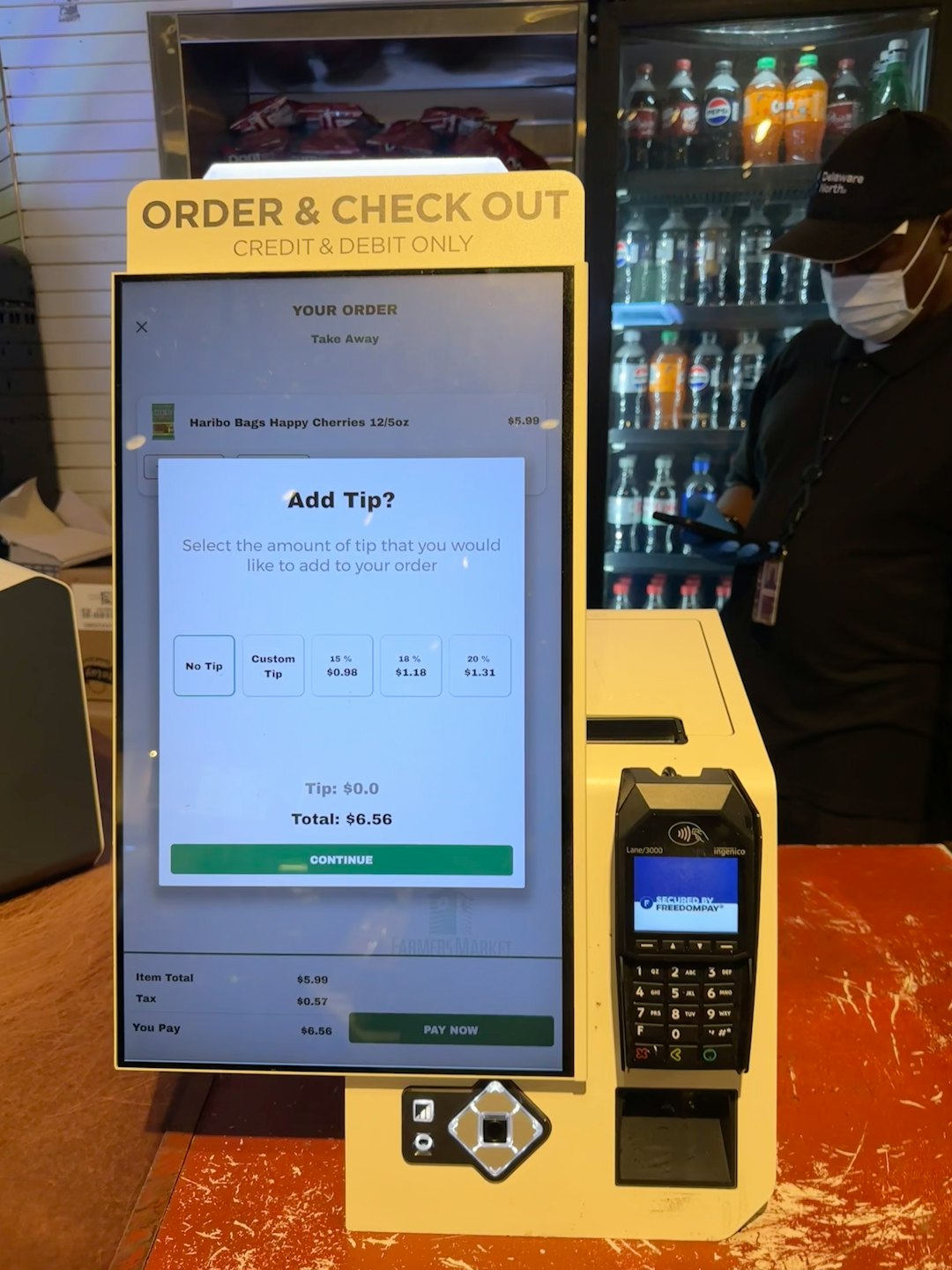
Square Marketing is made for local retail. Think boutiques, salons, bakeries, bookstores, pet shops, wine stores, and service-based stores with walk-in traffic.
Its biggest advantage is native POS data. When someone buys a candle, books a service, or joins your loyalty program, Square can use that information for marketing. No spreadsheet drama. No weird import errors. No wondering if the customer bought online or in-store.
- Best for: stores already using Square POS
- Setup speed: very fast
- Main channels: email and SMS, depending on plan and region
- Data strength: in-store purchases, customer records, loyalty, receipts
- Skill level needed: beginner-friendly
Square also makes common campaigns easy. You can send birthday offers, win-back discounts, loyalty nudges, seasonal sales, and product announcements. For many stores, that is enough. A florist does not always need a 17-step automation flow. Sometimes a clean Mother’s Day email to recent buyers does the job.
Honestly, it feels like Square understands the tired shop owner better. You can create a usable campaign between customers. Klaviyo asks for more thought, which is good later but annoying on a busy Tuesday.
Where Klaviyo Pulls Ahead
Klaviyo is built for businesses that treat customer communication as a revenue engine. It is especially strong when a brick-and-mortar store also sells online.
The platform gives you tighter control over segments. You can group customers by purchase history, predicted next order date, average order value, product interest, location, signup source, and engagement. That matters when you want to stop sending the same discount to everyone.
For example, a running store could send:
- Shoe replacement reminders 120 days after buying running shoes
- VIP early access to customers who spent over $500 this year
- Trail gear offers to shoppers who bought hydration packs
- Win-back SMS messages to customers who have not purchased in 90 days
This is where Klaviyo feels much smarter than a basic email tool. You can build campaigns around behavior, not guesswork. Its reporting also makes it easier to see revenue tied to each campaign, flow, and channel.

Email and SMS: Simple vs Sophisticated
Square Marketing is best when you want quick emails and texts based on POS activity. The templates are simple. The editor is clear. The reporting gives you enough detail for local campaigns. You can see opens, clicks, coupon redemptions, and sales tied to campaigns.
Klaviyo is better when you want richer automation. It supports more refined flows, stronger A/B testing, detailed customer profiles, and more flexible personalization. If you want to test subject lines, offer timing, SMS copy, and customer groups, Klaviyo gives you more to work with.
It drives me crazy that advanced tools often hide the simple stuff under too many menus. Klaviyo can do that. A basic campaign may take a few extra clicks compared with Square. But when you need precision, those extra controls matter.
Customer Data: The Real Difference
Marketing platforms are only as good as the data inside them. This is the main reason the Square vs Klaviyo choice matters.
Square has cleaner in-store data if you use Square POS. It knows what people bought, when they bought it, and sometimes how they paid or joined your list. That is gold for local retail.
Klaviyo has stronger cross-channel profiles. It can pull data from ecommerce stores, forms, ads, reviews, help desks, loyalty tools, and other apps. This gives a fuller view of the customer, especially if sales happen in more than one place.
If 80% of your revenue happens at one physical register, Square may be enough. If 40% happens online and 60% happens in-store, Klaviyo becomes much more tempting.
Pricing and Value
Both platforms price based on list size, channel usage, and features. Always check current pricing before choosing, since email and SMS costs change often.
Square Marketing usually feels predictable for small local shops. It is easier to understand and easier to justify if your main goal is sending regular promotions to existing customers.
Klaviyo can become more expensive as your list grows. Still, it may produce a better return if you use segmentation and automation well. Paying more for a tool that sends smarter campaigns can make sense. Paying more just to send one monthly newsletter does not.
Best Use Cases
Pick Square Marketing if:
- You already use Square POS every day.
- You run one store or a small local chain.
- You want fast setup with minimal training.
- Your campaigns are mostly promotions, events, and loyalty offers.
- You prefer simple reporting over deep analysis.
Pick Klaviyo if:
- You sell both online and in-store.
- You need advanced email and SMS automation.
- You want detailed customer segments.
- You care about revenue attribution by campaign.
- You have someone who can manage campaigns weekly.
A Practical Retail Scenario
Picture a gift shop with 3,800 customers in its database. It uses Square POS and sends one email per month. The owner wants to promote holiday bundles and bring back shoppers who have not visited in six months.
Square Marketing is the smoother choice. The owner can build a win-back campaign from Square data and attach a coupon. It is quick and useful.
Now picture the same shop adding an online store. It wants abandoned cart emails, product recommendations, VIP segments, SMS alerts, and separate campaigns for candle buyers, jewelry buyers, and corporate gift clients.
Klaviyo becomes the better fit. The setup takes longer, but the store gets more targeted campaigns and better customer insights.
Final Recommendation
For most brick-and-mortar retailers already using Square, Square Marketing is the best first move. It is simple, relevant, and tied directly to checkout behavior. You will send campaigns sooner, which matters.
For retailers with online sales, larger lists, or serious retention goals, Klaviyo is the stronger long-term platform. It gives you better segmentation, better automation, and more detailed reporting.
The smart path is simple: start with where your data lives. If it lives at the Square register, use Square Marketing. If it lives across ecommerce, POS, SMS, email, and customer apps, choose Klaviyo.