



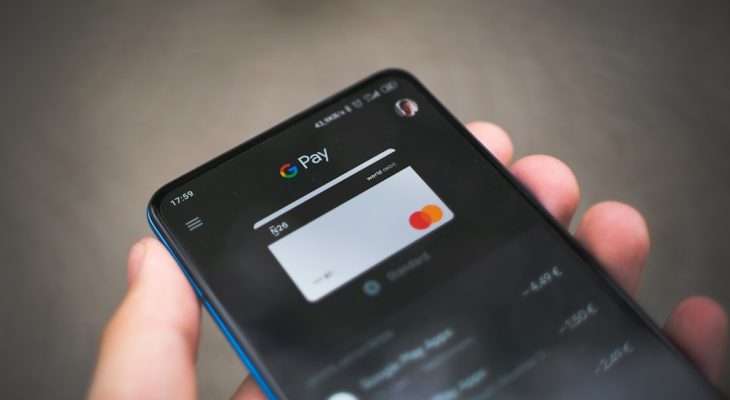
Card-on-file payments are everywhere. Think music apps, meal kits, gym memberships, ride sharing, and online stores where your card is saved for next time. It feels like magic. Tap once, pay later. But behind the curtain, businesses must keep those saved cards working, safe, and ready. That is where network tokens enter the show.
TLDR: Network tokens replace real card numbers with safer digital versions for card-on-file payments. They can improve approval rates, reduce fraud risk, and keep subscriptions running when a customer gets a new card. For example, if 10,000 monthly payments usually see a 5% decline rate, even a 1% approval lift can mean 100 more successful payments. That is more revenue and fewer “please update your card” emails.
What Is a Network Token?
A network token is a secure substitute for a real card number. It is created by the card network, such as Visa or Mastercard. The merchant does not need to store the actual card number. Instead, it stores the token.
Think of it like a hotel key card. The key card opens your room. But it is not the real master key. If it is lost, it can be turned off. Simple. Safer. Less drama.
For card-on-file payments, this matters a lot. The card is saved for future use. That means it must be protected for months or years. A network token helps do that.
Why Card-on-File Payments Need Extra Care
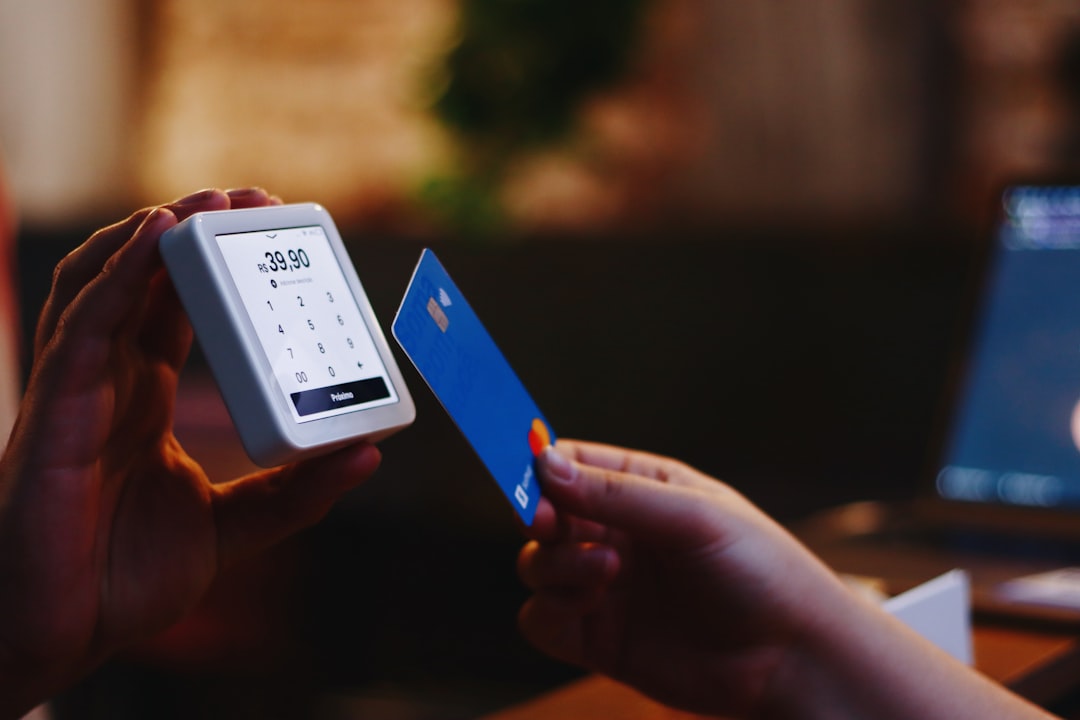
Card-on-file payments are handy. Customers love not typing the same card details again and again. Businesses love faster checkout and repeat sales.
But saved cards can create problems:
- Cards expire. Payments fail.
- Cards are replaced. Customers forget to update details.
- Fraud happens. Real card data is a juicy target.
- Declines are costly. A failed payment can mean lost revenue.
- Checkout friction hurts. Extra steps can scare buyers away.
Network tokens help cut these problems down to size. Like a tiny superhero in a payment cape.
Benefit 1: Better Security
The biggest benefit is security. A network token hides the real card number. If a bad actor gets the token, it is much less useful than a normal card number.
Why? Because tokens are often limited. They can be tied to a specific merchant, device, or payment environment. So a token saved by one online store may not work somewhere else.
This is a big deal. It lowers the value of stolen data. It also lowers risk for the merchant. Less sensitive data is stored. That means less worry.
Network tokens can also work with cryptograms. That is a fancy word for a one-time security code used during payment. You do not need to remember the word. Just remember this: it adds another lock to the door.
Benefit 2: Higher Approval Rates
Payments can fail for boring reasons. A card expired. A bank got nervous. A detail changed. The transaction looked odd.
Network tokens can help issuers trust the payment more. The token comes from the network. It has extra data. It may show that the payment is linked to a known merchant and a known customer relationship.
That can lead to higher authorization rates. In plain English, more payments get approved.
For a subscription business, this is huge. Imagine a streaming app with 50,000 monthly subscribers. If tokenization improves approvals by just 2%, that could mean 1,000 extra successful renewals in a month. That is not tiny. That is popcorn money. A lot of popcorn.
Benefit 3: Fewer Failed Subscriptions
Expired cards are subscription kryptonite. A customer signs up. They love the service. Then their card expires. The payment fails. The customer gets an email. They ignore it. The subscription gets canceled. Everyone is sad.
Network tokens can reduce this pain.
Many network tokens can be updated automatically when card details change. If the bank issues a new card number or expiry date, the token can still stay valid. The merchant may not need to chase the customer.
This is called lifecycle management. It sounds like office furniture. But it is really useful.
It helps:
- Keep subscriptions active.
- Reduce involuntary churn.
- Lower support tickets.
- Protect recurring revenue.

Benefit 4: Smoother Checkout
Customers like fast checkout. They do not want to type 16 digits, an expiry date, and a security code every time. They want to buy the socks, book the ride, or reorder the dog food.
Card-on-file makes this possible. Network tokens make it safer and more reliable.
This matters most for repeat purchases. A returning customer can pay with one tap. The merchant gets a trusted saved payment method. The customer gets a smooth ride.
Less typing. Less friction. More “yay, done.”
Benefit 5: Lower Fraud Risk
Fraud is like glitter. Once it gets into a payment system, it is hard to clean up. Network tokens help by limiting where payment credentials can be used.
If a merchant stores real card numbers, stolen data can be used in many places. If the merchant stores network tokens, the stolen token may only work in a narrow setting. That makes it less attractive to criminals.
Also, token payments can carry richer transaction signals. Banks can use these signals to make smarter decisions. Good payments are more likely to pass. Suspicious payments are more likely to stop.
That is the dream. Let good customers in. Keep trouble outside with a tiny velvet rope.
Benefit 6: Better Customer Trust
Customers may not know the words “network token.” But they know how it feels when payments work and accounts stay safe.
A smooth payment creates trust. A failed subscription renewal creates frustration. A fraud scare creates panic. Network tokens help move the experience in the right direction.
Businesses can also explain this simply. For example:
“We use secure payment tokens to help protect your card and keep your billing details up to date.”
That sounds friendly. It also sounds responsible.
A Simple User Case
Meet Mia. She runs an online coffee subscription. Customers save their cards and get beans delivered every month.
Before network tokens, Mia had common problems. About 6% of monthly payments failed. Many failed because cards expired or were replaced. Her team sent reminder emails. Some customers updated their cards. Some did not.
Then Mia’s payment provider enabled network tokens.
Three months later, failed payments dropped from 6% to 4.5%. On 20,000 monthly renewals, that meant 300 more successful payments each month. If each order was $18, that was $5,400 in protected monthly revenue.
Also, fewer customers had to stop and fix payment details. Mia’s support team had fewer billing questions. Customers got coffee. Mia got paid. The beans kept dancing.

How Network Tokens Compare to Basic Tokens
Some businesses already use payment tokens from gateways or processors. Those are helpful. But network tokens are different.
- Gateway tokens replace card data inside one payment provider’s system.
- Network tokens are issued and recognized by card networks.
- Gateway tokens help with storage security.
- Network tokens can also help with approvals and card updates.
Both can be useful. In fact, they often work together. One keeps systems neat. The other adds network-level trust and intelligence.
Who Benefits Most?
Network tokens are helpful for many businesses. But they shine brightest when cards are saved for later.
Good fits include:
- Subscription services, like streaming, software, and memberships.
- Online retailers with repeat customers.
- Delivery apps and marketplaces.
- Travel platforms with stored customer profiles.
- Utilities and billers using recurring payments.
If a business depends on repeat card payments, network tokens can be a smart upgrade.
Are There Any Challenges?
Yes, a few. No payment tool is magic soup.
Businesses may need support from their payment processor. They may need to update systems. They may need to monitor performance. Not every issuer or region supports tokens in the same way.
But adoption is growing. The card networks are investing heavily in tokenization. Payment providers are making it easier to turn on. For many merchants, the hard work happens behind the scenes.
The Bottom Line
Network tokens make card-on-file payments safer, smoother, and more dependable. They help protect real card data. They can raise approval rates. They can keep subscriptions alive when cards change.
For customers, that means fewer payment hiccups. For businesses, it means more successful payments and less lost revenue.
So yes, network tokens may sound technical. But the idea is simple. Replace risky card data with a smarter digital stand-in. Keep payments flowing. Keep customers happy. Let the tiny payment superhero do its thing.