


Skydio is one of those companies that makes investors lean forward. It builds smart drones. Very smart drones. The kind that can dodge trees, follow people, inspect bridges, and help police or soldiers see what is around the corner. So the big question is simple: Can you buy Skydio stock?
TLDR: Skydio stock is not available on the public stock market right now. The company is private, so there is no Skydio ticker symbol to buy through a normal brokerage account. Investors may watch for a future IPO, but nothing is guaranteed. For now, the best approach is to understand the company, the drone market, and the risks before getting too excited.
What Is Skydio?
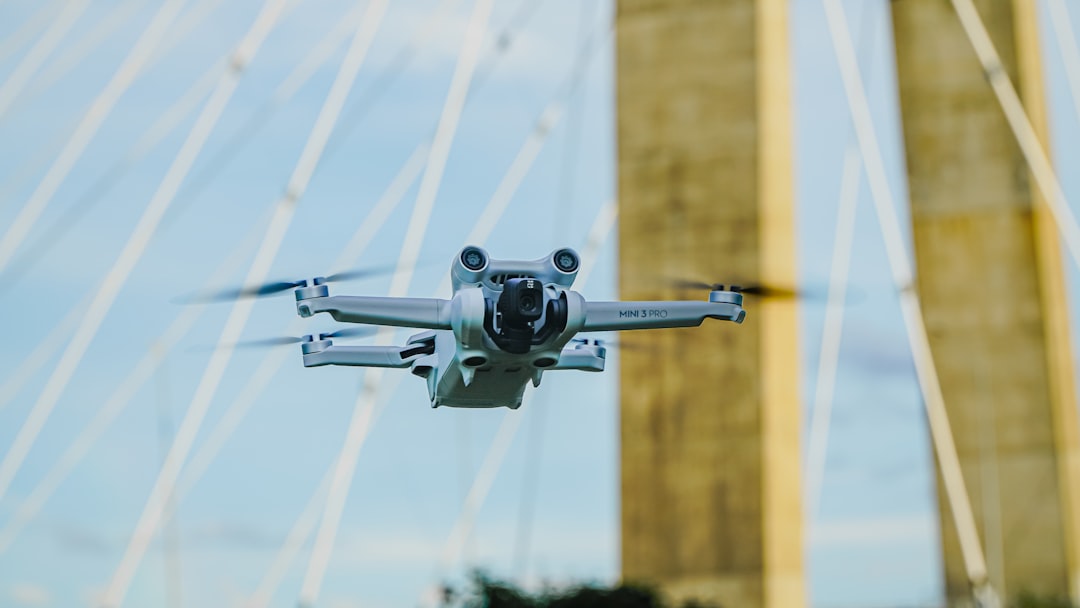
Skydio is a U.S. drone company based in California. It is best known for drones that use artificial intelligence to fly safely with little human help. That is a big deal. Flying a drone can be hard. Trees are rude. Buildings do not move. Power lines are sneaky. Skydio drones are designed to see obstacles and avoid them.
The company started out making drones for consumers. Think hikers, bikers, video creators, and people who wanted flying robot cameras. That was fun. But Skydio later shifted its focus. Today, it is more focused on enterprise, government, public safety, and defense.
That means its customers may include police departments, fire crews, utility companies, transportation agencies, and military groups. These buyers often care less about cool vacation videos. They care more about safety, inspections, mapping, and fast information.

Is Skydio Stock Publicly Traded?
No. Skydio is not publicly traded. You cannot open your trading app and buy shares under a Skydio ticker. There is no Skydio stock symbol on the Nasdaq or the New York Stock Exchange.
This is the most important thing to know. Many people search for “Skydio stock price” or “Skydio IPO stock.” That makes sense. The company is well known in the drone world. It has raised money from major investors. It has won attention for its technology. But it is still private.
Private companies do not sell shares to the general public in the same easy way public companies do. Their shares are usually held by founders, employees, venture capital firms, and other early investors.
Can Regular Investors Buy Skydio Stock?
For most regular investors, the answer is not right now.
There are sometimes private market platforms where shares of private companies may be offered. These platforms can include shares from employees or early investors who want to sell. But access is limited. You may need to be an accredited investor. That usually means meeting certain income or net worth rules.
Even then, shares may not be available. Private shares can be expensive. They can also be hard to sell later. This is called being illiquid. In plain English, it means your money may get stuck for a while.
So yes, it may be possible for some wealthy or qualified investors to find private Skydio shares. But for most people, Skydio stock is more of a watchlist idea than a buy button idea.
Will Skydio Have an IPO?
Maybe. But nobody can know for sure.
An IPO means initial public offering. That is when a private company sells stock to the public for the first time. After an IPO, regular investors can usually buy and sell shares through normal brokerage accounts.
Skydio could choose to go public one day. It has the kind of story public markets often like. It sits at the center of drones, AI, robotics, defense tech, and U.S. manufacturing. That is a spicy mix.
But companies do not go public just because people are curious. They go public when timing makes sense. They need strong financials, market demand, business scale, and a reason to raise more capital. They also need to be ready for public reporting. That means quarterly earnings, investor calls, and lots of extra scrutiny.
So, an IPO is possible. It is not promised.
Why Investors Are Interested
Skydio attracts attention for several reasons.
- AI technology: Its drones can fly with advanced autonomy.
- U.S. based production: This matters for government and defense buyers.
- Defense demand: Drones are now important in modern security and warfare.
- Enterprise use: Drones can inspect bridges, towers, roofs, and power lines.
- Market growth: The drone industry is expected to keep expanding.
The big theme is simple. Drones are moving from toys to tools. They are becoming flying workers. They can go places that are dangerous, boring, or expensive for humans.
That is why investors care. If drones become normal equipment for cities, utilities, factories, and military teams, companies like Skydio could benefit.
Skydio’s Market Position
Skydio has a strong brand in the U.S. drone market. It is often seen as an alternative to foreign drone makers. This matters because some government agencies have concerns about data security and supply chains.
For public safety and defense users, trust is huge. A drone is not just a flying camera. It collects images, maps, locations, and sensitive information. Buyers want to know where the drone is made, how data is handled, and who controls the software.
Skydio has leaned into this. It has focused on secure systems and U.S. customers. That gives it a clear identity.
Still, competition is real. Drone hardware can be hard. Margins can be tight. Customers can be demanding. And technology changes fast. A lead today can shrink tomorrow.
The Investment Outlook
The outlook for Skydio is interesting. It is also not simple.
On the positive side, the company sits in several growing areas. AI is hot. Robotics is hot. Defense technology is hot. Infrastructure inspection is practical and useful. Emergency response is a serious need.
That gives Skydio several possible growth paths. It is not limited to one type of customer. A fire department may use drones for search and rescue. A utility may use them to inspect power lines. A defense unit may use them for field awareness. A transportation agency may use them to check bridges.
That is a wide playground.
But challenges are also real. Hardware companies need to build, ship, support, and repair physical products. That is harder than selling pure software. Supply chains matter. Component costs matter. Battery life matters. Regulations matter. Customer training matters.
Also, government sales can be slow. Big contracts sound exciting, but they may take time. Budgets change. Rules change. Buyers test products carefully. The sales cycle can feel like watching paint dry on a sleepy turtle.
What Could Help Skydio Grow?
Several things could help Skydio become more valuable over time.
- More government contracts: These can bring credibility and large orders.
- Better software subscriptions: Recurring revenue can make investors smile.
- International expansion: Friendly allied markets may want secure drones.
- Stronger AI features: Smarter drones can create a bigger moat.
- Lower production costs: Better margins can improve the business model.
Software may be especially important. If Skydio sells not just drones, but also mapping tools, fleet management, data platforms, and autonomy features, it may become more than a hardware maker. That could make the business more attractive.
What Are the Risks?
Every investment story has a dragon. Skydio has a few.
- No public financials: Since Skydio is private, investors cannot easily study revenue or profits.
- High competition: Drone markets include many aggressive players.
- Hardware pressure: Building physical products can be expensive.
- Regulation: Drone rules can limit where and how products are used.
- IPO uncertainty: A public offering may not happen soon, or at all.
The biggest risk for regular investors is simple. You may love the company but have no clean way to invest in it. And if private shares appear, they may come with limited information and limited liquidity.
Ways to Invest Around Skydio
If you cannot buy Skydio stock, you can still watch related areas. This is called an indirect approach. It is not the same as owning Skydio. But it can give exposure to similar trends.
Investors may look at public companies involved in defense technology, robotics, semiconductors, aerospace, AI software, sensors, mapping, or industrial automation. Some exchange traded funds may also focus on robotics, automation, aerospace, or defense.
This approach spreads risk. It also avoids waiting for one private company to go public. The downside is clear. You do not get pure Skydio exposure. You get a basket of related ideas.
How to Track Skydio Stock News
Since there is no public stock, tracking Skydio means watching company news and industry signals.
- Look for funding announcements.
- Watch for new product launches.
- Follow government contract news.
- Check drone regulation updates.
- Watch for IPO rumors, but treat them carefully.
Rumors can be noisy. A company can be “IPO ready” for years and still stay private. So stay curious, but do not chase headlines like a drone chasing a squirrel.
Bottom Line
Skydio is an exciting private drone company with a strong story. It mixes AI, robotics, public safety, defense, and U.S. manufacturing. That makes it easy to understand why investors are interested.
But Skydio stock is not available to the public today. There is no ticker. There is no public stock price. Most investors cannot buy it directly.
The investment outlook is promising, but uncertain. Skydio could benefit from growing drone demand and government interest. It could also face tough competition, slow sales cycles, and hardware challenges.
For now, the smart move is to watch. Learn the business. Follow the drone market. Study related public companies if you want exposure. And if Skydio ever files for an IPO, then investors can take a fresh look with real numbers on the table.
This article is for education only. It is not financial advice. Always do your own research before investing.