


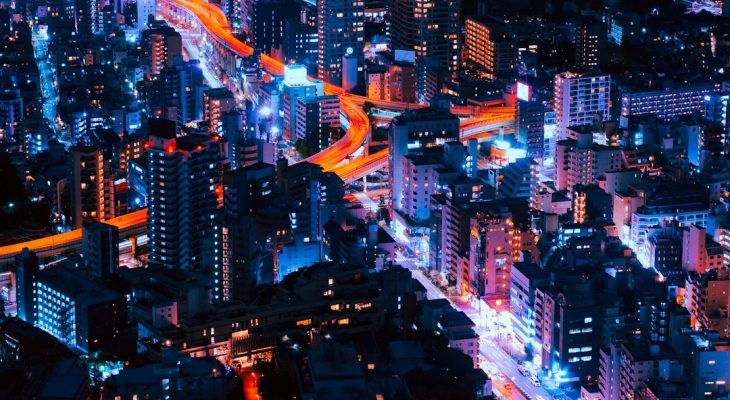
Intersections concentrate vehicles, pedestrians, cyclists, turning movements, and conflicting expectations into a small space. Because of that concentration, the way signals are timed is not a minor operational detail; it is a central safety factor. Intersection timing affects crash frequency because it shapes how often road users face conflict, how much time they have to react, and whether drivers feel pressured to take risks.
TLDR: Signal timing influences crash frequency by controlling exposure to conflicts, vehicle speeds, queue lengths, and decision pressure. Poor timing can increase red-light running, rear-end crashes, angle crashes, and pedestrian conflicts. Well-designed timing uses adequate clearance intervals, pedestrian crossing time, coordinated progression, and data-based adjustments to reduce risk. No timing plan eliminates crashes, but careful timing can make dangerous decisions less likely and improve the margin for human error.
Why timing matters at intersections
An intersection is a controlled negotiation among people moving in different directions. Traffic signals assign right of way, but timing determines whether that assignment is clear, comfortable, and realistic. If a green phase is too short, drivers may rush. If a yellow interval is too brief, drivers may hesitate or enter late. If pedestrian time is insufficient, people may still be in the crosswalk when vehicles receive a green indication.
Crash frequency is not affected only by geometry, speed limits, or traffic volume. It is also affected by how the signal allocates time. A technically functioning signal can still be poorly timed for actual conditions. Traffic patterns change by hour, season, land use, transit activity, school schedules, and construction. When timing does not match those conditions, conflict increases.
The relationship between signal timing and conflict exposure
Every crash begins with a conflict: two users attempting to occupy the same space, or one user reacting abruptly to avoid another. Signal timing affects how many conflicts occur and how severe they become. For example, long queues can spill back into upstream intersections, creating blockage and sudden lane changes. Short left-turn phases can encourage drivers to accept smaller gaps. Poor coordination can produce repeated stops, increasing the chances of rear-end crashes.
Traffic engineers often think in terms of exposure. The longer and more often road users are exposed to potential conflict, the greater the opportunity for crashes. Timing can reduce exposure by separating incompatible movements, serving demand efficiently, and keeping queues manageable. Conversely, timing can increase exposure when it repeatedly places drivers, pedestrians, and cyclists in ambiguous or rushed situations.
Yellow intervals and red-light running
The yellow interval is one of the most important timing elements for safety. It gives approaching drivers a transition period between green and red. If the yellow time is too short for the approach speed and grade, drivers may be unable to stop comfortably before the stop line. Some will brake sharply, raising the risk of rear-end crashes. Others will continue through the intersection after the red begins, increasing the risk of severe angle crashes.
Appropriate yellow timing considers factors such as:
- Approach speed: Higher speeds require more time for drivers to perceive, react, and stop.
- Road grade: Downgrades can increase stopping distance, while upgrades can shorten it.
- Driver reaction time: Drivers need time to recognize the signal change and choose a response.
- Intersection width: Wider intersections require more time for vehicles to clear once committed.
When yellow timing is misaligned with real operating speeds, drivers receive inconsistent cues. A driver who cannot stop safely but also cannot clear comfortably is placed in the so-called dilemma zone. Frequent dilemma-zone decisions are strongly associated with red-light running and crash risk.
All-red clearance and angle crashes
The all-red interval is the brief period when all approaches display red before the next movement receives green. This interval allows vehicles that entered near the end of yellow to clear the intersection. Although it may seem like a small detail, it can be critical for preventing right-angle collisions.
Angle crashes are often more severe than rear-end crashes because the side of a vehicle provides less protection than the front or rear. If one movement receives green before the previous movement has fully cleared, the risk of a high-energy side impact rises. A properly calculated all-red interval provides a safety buffer. It does not excuse red-light running, but it recognizes that intersections must be designed around human behavior and physical stopping limitations.
Cycle length, queues, and rear-end crashes
Cycle length is the total time required for a signal to complete all its phases. Very short cycles may create frequent stopping and starting. Very long cycles may produce long queues, driver impatience, and increased red-light violations. Neither extreme is automatically unsafe, but both can contribute to crash frequency if they do not fit the corridor.
Rear-end crashes often increase when drivers encounter unexpected queues or frequent stops. A corridor with poor progression may force vehicles to stop at nearly every signal. Each stop creates a new opportunity for distraction, misjudgment, or following too closely. On the other hand, overly long greens in one direction can cause excessive delay on side streets, encouraging risky gap acceptance or late entries.
Good timing balances movement and safety. It does not simply maximize green time for the busiest road. It manages queues, supports predictable progression, and reduces abrupt speed changes.
Image not found in postmetaLeft-turn timing and crossing conflicts
Left turns are among the most complex and crash-prone movements at signalized intersections. A driver turning left must judge gaps in opposing traffic while also watching pedestrians and cyclists in the crosswalk. Timing strategies can either reduce or intensify these conflicts.
A protected left-turn phase gives left-turning drivers a green arrow while opposing traffic is stopped. This can reduce angle and turning crashes, especially where speeds or volumes are high. A permissive left-turn phase allows drivers to turn when gaps appear. This may improve efficiency but places more judgment burden on drivers.
Many intersections use a combination called protected-permissive phasing. It can work well, but it must be timed carefully. If the protected arrow is too short, drivers at the end of the queue may become aggressive during the permissive period. If sight distance is limited, or if opposing speeds are high, permissive operation may be inappropriate. Signal timing should reflect not only vehicle volume but also crash history, visibility, pedestrian activity, and driver workload.
Pedestrian timing and vulnerable road users
Pedestrian safety depends heavily on signal timing. A pedestrian phase typically includes a walk interval and a flashing don’t walk clearance interval. The purpose is not merely to let people start crossing; it is to give them enough time to finish crossing at a reasonable walking speed.
If crossing time is too short, slower pedestrians may still be in the roadway when vehicles begin moving. This is especially important near schools, senior housing, hospitals, transit stops, and commercial districts. Timing based only on average walking speed can fail people who walk more slowly, use mobility devices, push strollers, or travel in groups.
Several timing tools can improve pedestrian safety:
- Leading pedestrian intervals: Pedestrians receive the walk signal a few seconds before turning vehicles get green, making them more visible.
- Longer clearance intervals: Additional time helps slower walkers finish crossing.
- Exclusive pedestrian phases: All vehicle movements are stopped while pedestrians cross, useful in high-foot-traffic areas.
- No-turn-on-red restrictions: Reduces conflicts between turning vehicles and pedestrians in the crosswalk.
Pedestrian timing is a safety issue, not simply a convenience issue. When vulnerable users are given insufficient time, the signal system effectively transfers risk to the people least protected in a collision.
Speed, progression, and driver expectations
Signal coordination along a corridor is often designed to create progression, sometimes called a “green wave.” When properly implemented, progression can reduce stops, improve travel time reliability, and limit rear-end conflicts. However, if coordination is designed around speeds higher than the posted limit, it may encourage speeding. Drivers learn that traveling faster helps them “make the lights,” which can increase crash severity.
Safe progression should be based on realistic and lawful speeds. Timing can reinforce the intended operating environment. In urban areas with frequent pedestrians and cyclists, slower progression may be appropriate. In suburban arterial corridors, coordination may focus on reducing sudden stops while still discouraging excessive speed.
Driver expectations matter. If most signals on a corridor operate predictably but one intersection has unusual timing, drivers may be surprised by queues or phase changes. Surprise is a major ingredient in crashes. Consistency, clear indications, and timing that matches the roadway context help drivers make safer decisions.
Adaptive signals and real-time conditions
Traditional signal timing plans are often developed for specific time periods, such as morning peak, midday, evening peak, and overnight. Adaptive signal systems go further by adjusting timing in response to current traffic conditions. When properly calibrated and maintained, adaptive systems can reduce unnecessary delay, prevent queue spillback, and respond to changing demand.
However, adaptive timing is not automatically safer. If the system prioritizes vehicle throughput without adequate pedestrian service, clearance time, or side-street access, it may create new risks. Safety performance depends on the objectives built into the system. A serious safety-oriented approach evaluates not only delay and capacity but also conflicts, yielding behavior, red-light running, and crash patterns.
Human behavior and the margin for error
Intersection timing affects crash frequency because it interacts with human limitations. Drivers are sometimes distracted, tired, impatient, or unfamiliar with the area. Pedestrians may misjudge crossing time. Cyclists may be less visible. A safe timing plan provides a margin for these predictable errors.
This does not mean signals should be excessively slow or inefficient. Long delays can themselves produce unsafe behavior, including red-light running, illegal turns, and risky crossings. The goal is credible control: timing that users perceive as reasonable, understandable, and consistent. When people trust that the signal gives them fair and adequate time, they are more likely to comply.
Using crash data to refine timing
Responsible signal timing should be evidence-based. Agencies can review crash reports, near-miss observations, speed data, queue measurements, video analytics, pedestrian counts, and public complaints. Patterns matter. A high number of rear-end crashes may indicate unexpected stopping or poor progression. Angle crashes may suggest red-light running, inadequate clearance, or left-turn conflicts. Pedestrian crashes may point to insufficient crossing time or turning conflicts.
Timing changes should also be evaluated after implementation. A change that reduces delay but increases conflicts is not a safety success. Likewise, a change that improves one movement while creating spillback elsewhere may simply move risk down the corridor. Ongoing monitoring is essential because land use, travel behavior, and traffic volumes evolve.
Conclusion
Intersection timing affects crash frequency because it determines how road users share time and space at the most conflict-heavy points in the transportation system. Yellow intervals, all-red clearance, cycle length, left-turn phasing, pedestrian timing, and corridor coordination all influence whether people face calm, predictable decisions or rushed, ambiguous ones.
A trustworthy approach to signal timing treats safety as a primary performance measure, not as an afterthought to traffic flow. Intersections should be timed for real speeds, real users, and real conditions. When timing provides adequate clearance, manages queues, supports pedestrians, and reduces unnecessary conflict, it lowers the likelihood that ordinary human mistakes will become serious crashes.