


Modern IT environments generate an extraordinary volume of log data every second. From application servers and databases to containers, network devices, and cloud services, every component produces events that reflect system health, user activity, and potential threats. Without a centralized approach, these logs remain scattered and underutilized, leaving organizations vulnerable to outages, security incidents, and compliance failures. Log aggregation software for monitoring logs in real time has therefore become a critical foundation of reliable, secure operations.
TLDR: Log aggregation software centralizes logs from multiple sources and enables real-time monitoring, alerting, and analysis. By transforming raw log data into actionable insights, it helps organizations detect incidents faster, improve performance, and meet compliance requirements. Modern solutions offer scalability, advanced search, visualization dashboards, and automated alerts. Selecting the right platform depends on integration capabilities, performance, security, and long-term scalability.
What Is Log Aggregation Software?
Log aggregation software collects, centralizes, and analyzes log data from various systems and applications. Instead of manually checking individual servers or services, teams gain a unified view of their entire infrastructure through a single interface. These platforms continuously ingest logs, parse them into structured formats, and make them searchable and actionable in near real time.
Key sources of log data typically include:
- Application logs (errors, transactions, system messages)
- Server and operating system logs
- Network device logs such as firewalls and routers
- Cloud service logs from providers like AWS, Azure, or Google Cloud
- Security logs including authentication and intrusion attempts
Without aggregation, logs remain isolated in silos. With centralized monitoring, organizations achieve visibility that supports troubleshooting, auditing, and proactive maintenance.
Why Real-Time Monitoring Matters
Traditional log analysis often involves reviewing historical records after an incident has already caused disruption. While historical analysis remains important, modern digital environments demand real-time visibility. Applications are distributed, users expect uninterrupted service, and threats evolve quickly.
Real-time log monitoring enables organizations to:
- Detect anomalies immediately
- Identify system bottlenecks before they escalate
- Respond to security incidents as they happen
- Minimize downtime and reputational damage
- Maintain service-level agreements (SLAs)
For example, a sudden spike in failed login attempts may indicate a brute-force attack. A real-time log aggregation tool can generate alerts instantly, allowing security teams to act before accounts are compromised.
Core Features of Modern Log Aggregation Platforms
Not all log aggregation solutions offer the same depth of functionality. However, enterprise-grade platforms typically include several essential capabilities.
1. Centralized Log Collection
Efficient aggregation begins with flexible and reliable ingestion methods. Modern platforms support agents, APIs, syslog protocols, and cloud-native integrations. This ensures logs can be collected from on-premises servers, containers, microservices, and hybrid environments.
2. Real-Time Indexing and Search
Logs only become valuable when they are searchable. Advanced indexing allows users to filter events by time range, severity, source, or custom fields. Low-latency indexing enables teams to query data almost instantly after ingestion.
3. Automated Alerting
Alerts can be configured based on predefined thresholds or behavioral patterns. For instance:
- Excessive CPU usage
- Repeated application crashes
- Unusual traffic spikes
- Unauthorized access attempts
Alerts can be delivered via email, messaging apps, incident management tools, or integrated workflow systems.
4. Visualization and Dashboards
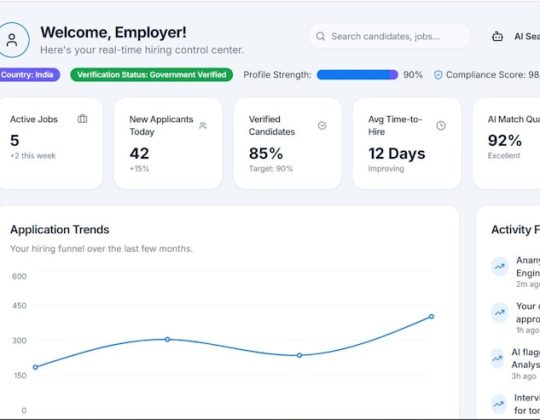
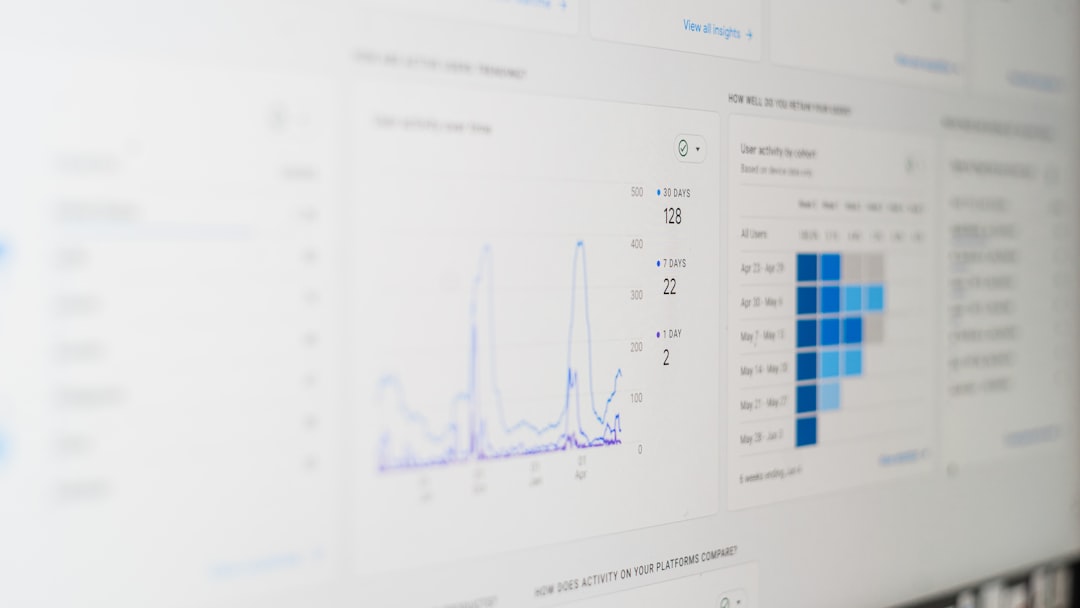
Visual dashboards transform complex log streams into understandable charts and metrics. Operations teams can track KPIs, error rates, transaction times, or security events in one centralized view.
5. Scalability and High Availability
As log data grows, systems must scale horizontally without performance degradation. Modern platforms support distributed architectures and cloud-based storage to handle terabytes of daily data ingestion.
Benefits for IT Operations Teams
For IT operations, log aggregation software offers structured workflows and faster resolution times. When services fail or slow down, engineers can correlate logs across multiple components to pinpoint the root cause. Instead of manually logging into each machine, they analyze centralized records.
Primary operational benefits include:
- Reduced mean time to detection (MTTD)
- Reduced mean time to resolution (MTTR)
- Improved cross-team collaboration
- Data-driven infrastructure decisions
These improvements directly impact service reliability and business continuity.
Strengthening Cybersecurity with Log Aggregation
Beyond performance and troubleshooting, log aggregation is fundamental to cybersecurity. Many compliance frameworks require centralized log storage and monitoring to detect malicious activity and maintain audit trails.

Centralized logs allow security teams to:
- Correlate events across multiple systems
- Identify suspicious login patterns
- Track lateral movement within networks
- Investigate incidents with historical records
Advanced solutions may incorporate machine learning to detect anomalies that would otherwise go unnoticed. For example, unusual user behavior or unexpected system interactions can trigger automated investigations.
In regulated industries such as finance, healthcare, and government, maintaining immutable logs for compliance audits is not optional. A reliable aggregation platform ensures data retention policies are enforced and reports are readily available when required.
Cloud and Container Environments
The rise of containerization and microservices architecture has dramatically increased log complexity. Containers are ephemeral by nature, meaning logs can disappear when services restart if they are not centralized immediately.
Log aggregation software designed for cloud-native environments typically supports:
- Container orchestration platforms such as Kubernetes
- Auto-scaling cloud infrastructure
- Multi-cloud deployments
- Serverless architectures
By aggregating logs across dynamic systems, organizations maintain visibility even as infrastructure scales up or down.
Implementation Best Practices
Deploying log aggregation software requires thoughtful planning. Without clear structure, organizations risk collecting excessive data without clear value.
Define Clear Objectives
Identify whether the primary goal is operational monitoring, security enhancement, compliance, or a combination. Objectives guide configuration decisions and alert definitions.
Standardize Log Formats
Structured logging improves searchability and correlation. Encouraging consistent formats such as JSON logs simplifies data parsing and improves analytical accuracy.
Establish Retention Policies
Determine how long logs must be stored based on regulatory and operational requirements. Retaining unnecessary data increases costs, while insufficient retention can create compliance gaps.
Set Meaningful Alerts
Poorly configured alerts can overwhelm teams and reduce responsiveness. Alerts should focus on actionable thresholds rather than generating noise.
Choosing the Right Log Aggregation Solution
When evaluating platforms, decision-makers should consider several critical factors:
- Integration capabilities: Compatibility with existing infrastructure and tools.
- Performance: Ability to handle current and projected log volumes.
- Security features: Encryption, role-based access control, and audit logging.
- Ease of use: Intuitive dashboards and query languages.
- Deployment models: On-premises, cloud-hosted, or hybrid options.
- Total cost of ownership: Licensing, storage, and maintenance expenses.
Organizations should also assess vendor support, roadmap stability, and community adoption. A well-supported solution reduces long-term risk and ensures adaptability to evolving technologies.

Future Trends in Log Monitoring
The future of log aggregation is closely tied to automation and intelligent analytics. As environments become more complex, manual monitoring becomes impractical. Emerging trends include:
- AI-driven anomaly detection for predictive insights
- Observability convergence combining logs, metrics, and traces
- Automated incident response workflows
- Edge log processing to reduce latency and bandwidth use
Organizations increasingly view log aggregation not as an isolated tool but as part of a broader observability strategy. Integrating logs with metrics and distributed tracing provides a comprehensive understanding of application health and user experience.
Conclusion
Log aggregation software for monitoring logs in real time is no longer optional in modern IT operations. It is a strategic investment that enhances system reliability, cybersecurity posture, and regulatory compliance. By centralizing data and transforming raw log streams into actionable intelligence, organizations gain the clarity needed to operate confidently in complex digital environments.
With proper implementation, disciplined configuration, and careful vendor selection, log aggregation becomes more than a diagnostic tool. It evolves into a central pillar of operational excellence, capable of protecting infrastructure, empowering teams, and ensuring long-term resilience in an increasingly interconnected world.