



Employee engagement is no longer a “nice to have” initiative—it is a measurable driver of performance, retention, and organizational resilience. As companies adapt to hybrid work, distributed teams, and evolving employee expectations, structured engagement platforms have become essential tools for leadership. Platforms like Culture Amp have helped set the standard, but there are several other robust solutions that can help organizations improve workplace satisfaction, increase transparency, and build stronger cultures.
TLDR: Employee engagement platforms help organizations measure, understand, and improve workplace satisfaction through surveys, analytics, and feedback tools. While Culture Amp is a well-known solution, several strong alternatives offer unique strengths such as continuous listening, performance integration, and employee recognition features. The right platform depends on company size, goals, and culture strategy. Below are six trusted employee engagement platforms that can help build more motivated, productive teams.
Before exploring the tools, it’s important to understand what makes an engagement platform effective. High-performing platforms typically include:
- Pulse and engagement surveys
- Advanced analytics and reporting
- Action planning and manager enablement tools
- Performance and development tracking
- Anonymous feedback channels

1. Lattice
Best for organizations that want to connect engagement with performance management.
Lattice is widely recognized for integrating employee engagement insights with performance reviews, goal tracking (OKRs), and career development. Unlike standalone survey platforms, Lattice positions engagement as one piece of a broader talent strategy.
Key Features:
- Customizable engagement and pulse surveys
- Performance review cycles
- 1:1 meeting templates and tracking
- Goal setting and OKR alignment
- Feedback and recognition tools
By combining engagement data with performance outcomes, leaders can identify patterns—such as declining engagement within specific teams—and address them quickly. This integration makes Lattice particularly appealing to mid-sized and growing organizations.
2. Glint
Best for large enterprises seeking real-time engagement insights.
Now part of the Microsoft ecosystem, Glint focuses on continuous listening. Its strength lies in delivering dynamic, real-time insights powered by advanced analytics and AI-driven recommendations.
Key Features:
- Always-on pulse surveys
- Heat maps and predictive insights
- Manager dashboards
- Actionable recommendations using AI
Large enterprises often choose Glint because of its scalability and its ability to analyze complex workforce data. Leaders can track key indicators like burnout risk, belonging, and team morale with granular precision.
3. Qualtrics Employee Experience
Best for data-driven organizations that prioritize deep analytics.
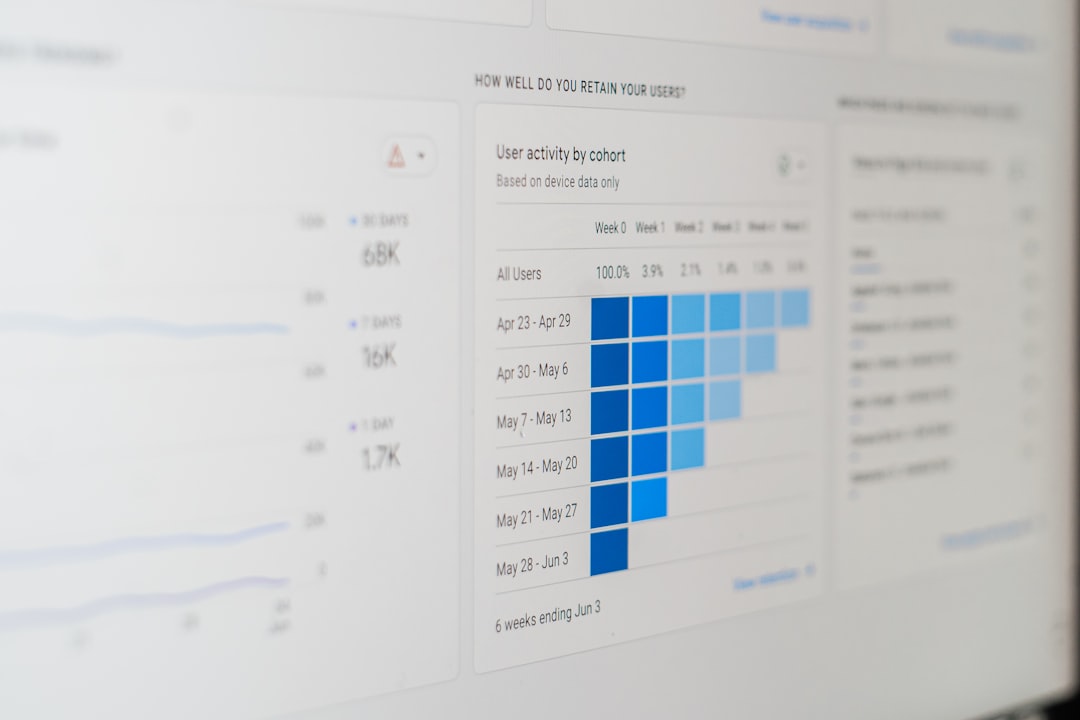
Qualtrics is a powerful experience management platform that extends beyond employee engagement to customer and product experience. Its employee experience (EX) solution is highly customizable and particularly strong in survey design and advanced data analysis.
Key Features:
- Lifecycle surveys (onboarding, exit, engagement)
- Advanced benchmarking tools
- Driver analysis for engagement factors
- Text analytics for open-ended responses
One key differentiator is Qualtrics’ ability to identify engagement “drivers”—the underlying factors that have the strongest impact on satisfaction and retention. This allows HR teams to design targeted interventions instead of broad, generic initiatives.
4. 15Five
Best for companies seeking a manager-focused engagement approach.
15Five is built around continuous feedback and manager effectiveness. Rather than relying solely on annual surveys, it emphasizes ongoing check-ins, weekly reports, and leadership coaching tools.
Key Features:
- Weekly employee check-ins
- Engagement surveys and eNPS tracking
- Manager coaching recommendations
- Performance and goal tracking
This platform works particularly well for organizations committed to leadership accountability. Managers receive clear guidance on how to follow up on engagement results, ensuring that feedback translates into visible action.
5. Officevibe
Best for small to mid-sized teams looking for simplicity and usability.
Officevibe focuses on ease of use and actionable engagement insights. It delivers short, frequent pulse surveys and offers structured one-on-one meeting templates.
Key Features:
- Bite-sized weekly pulse surveys
- Anonymous feedback messaging
- Engagement scoring across key metrics
- Manager action plans
Its simplicity makes it ideal for organizations new to formal engagement tracking. Officevibe helps teams maintain a consistent feedback loop without overwhelming employees with lengthy surveys.
6. Leapsome
Best for companies seeking an all-in-one people enablement platform.
Leapsome combines engagement surveys, learning tools, and performance management into a unified system. This makes it particularly attractive to global teams seeking centralization.
Key Features:
- Custom and science-backed survey templates
- Performance reviews and 360-degree feedback
- Learning management integration
- Competency frameworks
By aligning engagement results with development opportunities, Leapsome encourages a culture of continuous growth. It also supports multi-language environments, making it suitable for international organizations.
Comparison Chart
| Platform | Best For | Key Strength | Company Size Fit |
|---|---|---|---|
| Lattice | Performance-driven teams | Engagement + performance integration | Mid-sized to large |
| Glint | Enterprise environments | Real-time predictive analytics | Large enterprises |
| Qualtrics EX | Data-centric organizations | Advanced driver analysis | Mid-sized to enterprise |
| 15Five | Manager development focus | Continuous feedback and coaching | Small to mid-sized |
| Officevibe | Ease of implementation | Simple pulse surveys | Small to mid-sized |
| Leapsome | All-in-one people tools | Learning + engagement integration | Growing and global teams |
Choosing the Right Platform
Selecting an employee engagement platform should begin with clarity around organizational goals. Consider the following questions:
- Do you need a standalone engagement tool, or a broader performance system?
- Is real-time analytics a priority?
- How mature is your management team in acting on feedback?
- Do you require global scalability and multi-language support?
- What level of survey customization is necessary?
It is equally important to ensure leadership alignment before implementation. Technology alone does not drive engagement. The platform must support a genuine commitment from executives and managers to listen, act, and communicate transparently.
Why Engagement Platforms Matter More Than Ever
Workplace satisfaction directly impacts productivity, retention, and employer branding. According to multiple global workforce studies, engaged employees are significantly more likely to remain with their employer, recommend their organization, and perform at higher levels.
Engagement platforms provide:
- Visibility: Clear data on employee sentiment.
- Accountability: Measurable metrics for leaders.
- Consistency: Regular listening instead of annual guesswork.
- Actionability: Structured follow-up tools.
In hybrid and remote environments, this visibility becomes even more critical. Without informal office interactions, leaders need reliable systems to detect morale issues before they escalate.
Final Thoughts
While Culture Amp remains a respected leader in the employee engagement space, organizations have a wealth of alternatives that cater to different needs and levels of complexity. Lattice excels in combining performance and engagement. Glint offers enterprise-level predictive analytics. Qualtrics provides unparalleled depth in survey data. 15Five and Officevibe support manager-driven engagement, while Leapsome delivers an integrated people enablement suite.
The most effective solution is not necessarily the most sophisticated—it is the one that aligns with your company’s culture, leadership style, and growth strategy. When implemented thoughtfully and paired with authentic leadership commitment, these platforms can transform employee feedback into meaningful workplace satisfaction and long-term business success.