



Last.fm has long been a favorite platform for music lovers who enjoy tracking their listening habits, discovering new artists, and connecting with others through shared tastes. But nothing interrupts a great music session faster than the frustrating “Unexpected Error” message. Whether it appears while logging in, scrobbling tracks, or browsing your stats, this vague notification can leave you wondering what went wrong—and more importantly, how to fix it.
TLDR: The Last.fm “Unexpected Error” message usually appears because of server issues, outdated apps, browser cache problems, corrupted scrobbles, or third-party integration failures. In many cases, refreshing the page, clearing your cache, or reconnecting your music services resolves the issue quickly. If the problem continues, checking Last.fm’s server status or reinstalling the app is often the best solution. Most errors are temporary and solvable with a few straightforward steps.
In this guide, we’ll explore why Last.fm shows this error, the most common causes behind it, and practical, step-by-step ways to fix it so you can get back to enjoying your tracked music experience.
What Does “Unexpected Error” Mean on Last.fm?
The term “Unexpected Error” is intentionally broad. It’s a generic system message used when something goes wrong that doesn’t match a predefined error type. Instead of displaying complex technical details, Last.fm presents this simplified message.
This can happen in various situations:
- Trying to log into your account
- Updating profile settings
- Connecting streaming services like Spotify
- Scrobbling songs
- Viewing listening reports or charts
Understanding the potential cause is the key to applying the correct fix.

Common Reasons Why Last.fm Shows an Unexpected Error
1. Last.fm Server Issues
One of the most common reasons is server downtime. Like any online platform, Last.fm relies on servers that occasionally undergo maintenance or experience temporary outages.
Signs it’s a server issue:
- The error appears on multiple devices
- Friends report the same issue
- The website won’t load at all
In this case, the problem is not on your end, and waiting is often the only solution.
2. Corrupted Browser Cache or Cookies
Browsers store cached data to load websites faster. However, outdated or corrupted cache files can conflict with newer versions of Last.fm, triggering unexpected errors.
Cached login sessions, outdated scripts, or partial data loads frequently cause this issue.
3. Outdated App Version
If you’re using the Last.fm mobile app, an outdated version may struggle to communicate with updated servers.
Developers regularly release patches and bug fixes. Skipping updates can lead to compatibility issues that surface as vague error messages.
4. Broken Scrobbling Integration
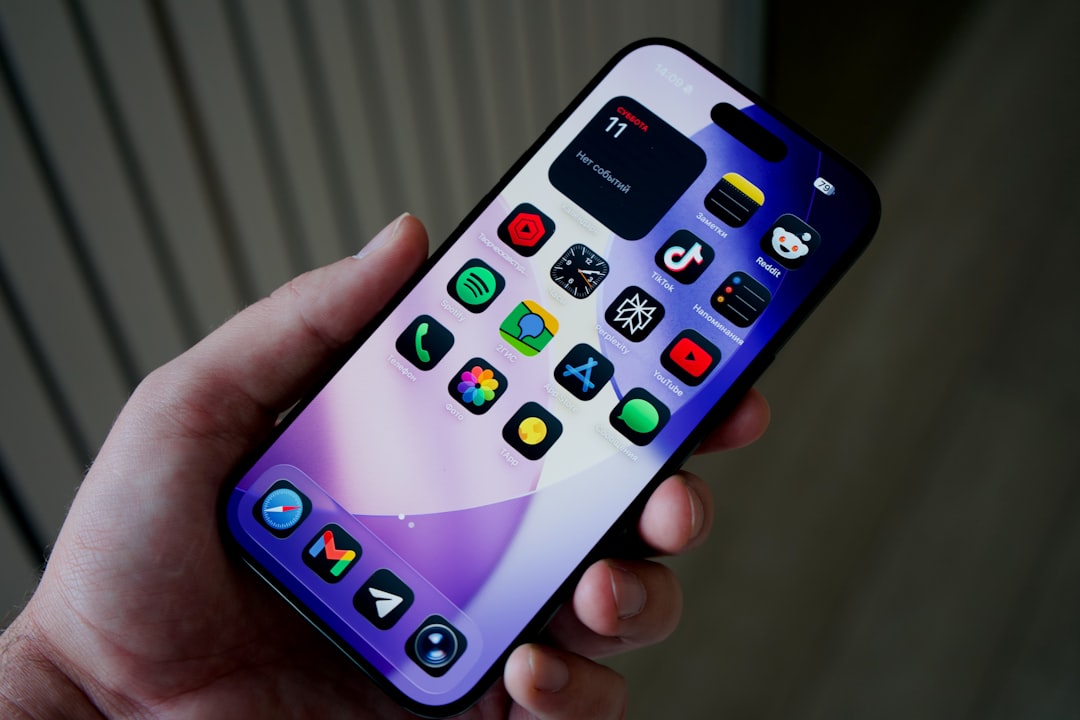
Many users connect Last.fm to external services like:
- Spotify
- Apple Music
- YouTube Music
- Plex
- Desktop media players
If the authentication token between services expires or becomes corrupted, Last.fm may fail to receive data properly, resulting in errors.
5. Account Authentication Problems
Login sessions occasionally expire or become invalid. If your account credentials fail verification in the background, the system may produce an unexpected error instead of a clear login request.
6. Browser Extensions Conflict
Ad blockers, privacy extensions, and script blockers can interfere with important components of Last.fm’s website. If essential scripts are disabled, certain features won’t load correctly.
7. Corrupted Scrobble Data
In rare cases, malformed track metadata (for example, unsupported characters in song titles) can cause synchronization errors. While uncommon, it can happen when using niche media players.
How to Fix the Last.fm Unexpected Error
Now that we’ve identified the causes, let’s walk through effective solutions.
1. Refresh the Page or Restart the App
It may sound basic, but refreshing often resolves temporary glitches. On mobile, fully close the app and reopen it instead of just minimizing it.
2. Check Last.fm Server Status
Search for “Last.fm server status” or check community forums and social media platforms. If servers are down, no user-side troubleshooting will fix it.
3. Clear Browser Cache and Cookies
This fix resolves many persistent issues.
Steps:
- Open your browser settings
- Navigate to Privacy or History
- Select Clear Browsing Data
- Choose Cached Images and Files and Cookies
- Restart the browser
After clearing cache, log back into Last.fm and test again.
4. Update the Last.fm App
Visit the App Store or Google Play Store and ensure you are running the latest version. Updates often fix bugs tied to backend changes.
5. Disconnect and Reconnect Streaming Services
This step is highly effective for scrobbling errors.
How to do it:
- Go to Last.fm Settings
- Click Applications
- Remove the connected service (e.g., Spotify)
- Log out completely
- Reconnect the service
This refreshes authentication tokens and restores proper communication.

6. Disable Browser Extensions
Temporarily disable ad blockers or script-control extensions. Then reload Last.fm to see if functionality returns.
7. Try a Different Browser or Device
If the issue persists, test Last.fm on:
- A different browser (Chrome, Firefox, Edge)
- A private browsing window
- Another device entirely
This helps determine whether the problem is device-specific.
8. Reinstall the Mobile App
If you suspect corrupted app data:
- Uninstall the app
- Restart your phone
- Reinstall from the official store
This clears residual files that basic updates might not replace.
9. Reset Your Password
If authentication seems inconsistent, updating your password can force a complete account revalidation.
Quick Fix Comparison Chart
| Problem Cause | Best Fix | Difficulty Level | Success Rate |
|---|---|---|---|
| Server outage | Wait for restoration | Very Easy | High |
| Browser cache corruption | Clear cache and cookies | Easy | Very High |
| Broken Spotify connection | Reconnect integration | Moderate | Very High |
| Outdated mobile app | Update or reinstall | Easy | High |
| Extension conflict | Disable extensions | Easy | Medium to High |
When to Contact Last.fm Support
If none of the above methods work, it may be time to reach out to Last.fm support.
Consider contacting support if:
- The error lasts longer than 48 hours
- Your scrobbles have completely disappeared
- You cannot access your account at all
- You suspect account compromise
When contacting support, include:
- Your username
- Screenshots of the error
- Your device and browser details
- Steps you’ve already tried
This speeds up diagnosis and improves the chances of a quick resolution.
Preventing Future Errors
While you can’t prevent server-side glitches, you can minimize your risk of encountering unexpected errors.
Best practices include:
- Keeping apps updated
- Regularly clearing cache
- Avoiding unnecessary browser extensions
- Reconnecting services after password changes
- Monitoring integration settings periodically
Many recurring issues stem from expired authentication tokens—especially after changing your Spotify or Apple Music password.
Final Thoughts
The Last.fm “Unexpected Error” message may sound alarming, but it’s rarely permanent or serious. In most cases, the cause is either a temporary server hiccup, a cache conflict, or a broken streaming integration. With a few simple troubleshooting steps—such as clearing your cache, reconnecting services, or updating your app—you can restore normal functionality quickly.
Music tracking is meant to be seamless and enjoyable. By understanding the common triggers behind this error and knowing how to respond, you can minimize frustration and keep your listening history accurate and uninterrupted.
And remember: sometimes the fix is as simple as refreshing the page and letting the music play on.