


In today’s competitive marketplace, packaging is far more than a protective shell — it is a powerful marketing tool, a brand ambassador, and often the deciding factor in a customer’s purchasing decision. Whether you’re launching a new product or refreshing an existing one, choosing the right packaging design company can significantly influence your product’s success. But with so many agencies offering similar services, how do you know which one is right for your brand?
TLDR: Hiring the right packaging design company requires evaluating their experience, portfolio, industry knowledge, and strategic approach — not just their artistic ability. Look for a team that understands branding, compliance, materials, sustainability, and manufacturing realities. Clear communication, a structured design process, and transparent pricing are also essential. The best partner will blend creativity with commercial insight to create packaging that stands out and sells.
Below is a comprehensive guide to help you make an informed decision.
1. A Strong and Relevant Portfolio
One of the first things to examine is the agency’s portfolio. A visually impressive gallery is important, but relevance matters just as much.
Ask yourself:
- Have they worked in your industry before?
- Do their designs show versatility?
- Are their projects both creative and practical?
- Do the designs reflect strong branding principles?
A good portfolio will demonstrate not just aesthetic beauty, but thoughtful problem-solving. For example, food packaging must address shelf appeal and regulatory requirements, while tech packaging might emphasize premium materials and unboxing experience.
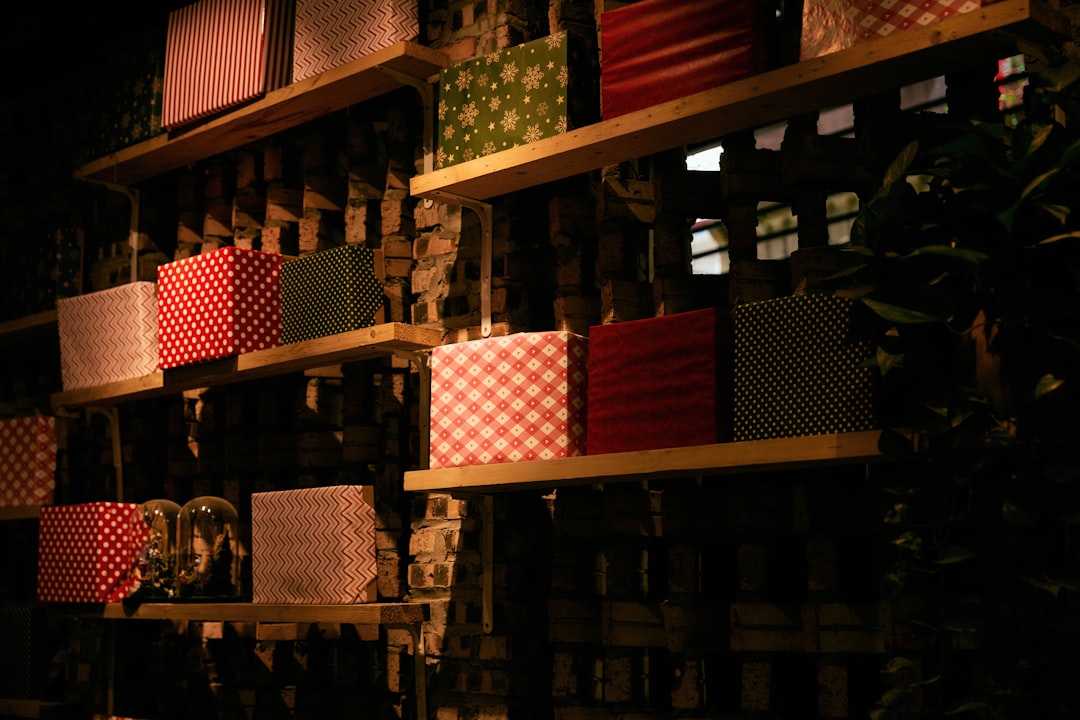
Look closely at their typography choices, color strategies, structural designs, and consistency across product lines. If every project looks the same, that may indicate limited creative range.
2. Industry Knowledge and Market Understanding
Packaging design isn’t created in a vacuum. It must compete on crowded shelves, align with buyer psychology, and sometimes comply with strict legal regulations.
A qualified packaging design company should demonstrate:
- Understanding of retail environments (physical and e-commerce)
- Knowledge of industry-specific regulations
- Familiarity with your target audience
- Awareness of current packaging trends
Ask how they conduct market research. Do they analyze competitors? Do they consider customer behavior? Great design companies back up creativity with data and insight.
3. Strategic Thinking, Not Just Visual Design
Beautiful packaging that doesn’t align with your brand strategy can ultimately harm your message. The best design agencies begin with strategic discovery.
A strong partner will explore:
- Your brand positioning
- Your unique selling proposition (USP)
- Your price point
- Your distribution channels
- Your long-term product roadmap
They should ask thoughtful questions before presenting concepts. If a company jumps straight to visuals without conducting discovery sessions, that’s a red flag.
4. Expertise in Structural Packaging Design
Packaging is both graphic and structural. While some companies specialize only in surface design, others offer full structural engineering, which can be a game-changer.
Structural expertise includes:
- Custom box construction
- Material selection
- Durability testing
- Cost-efficient production planning
- Shipping optimization
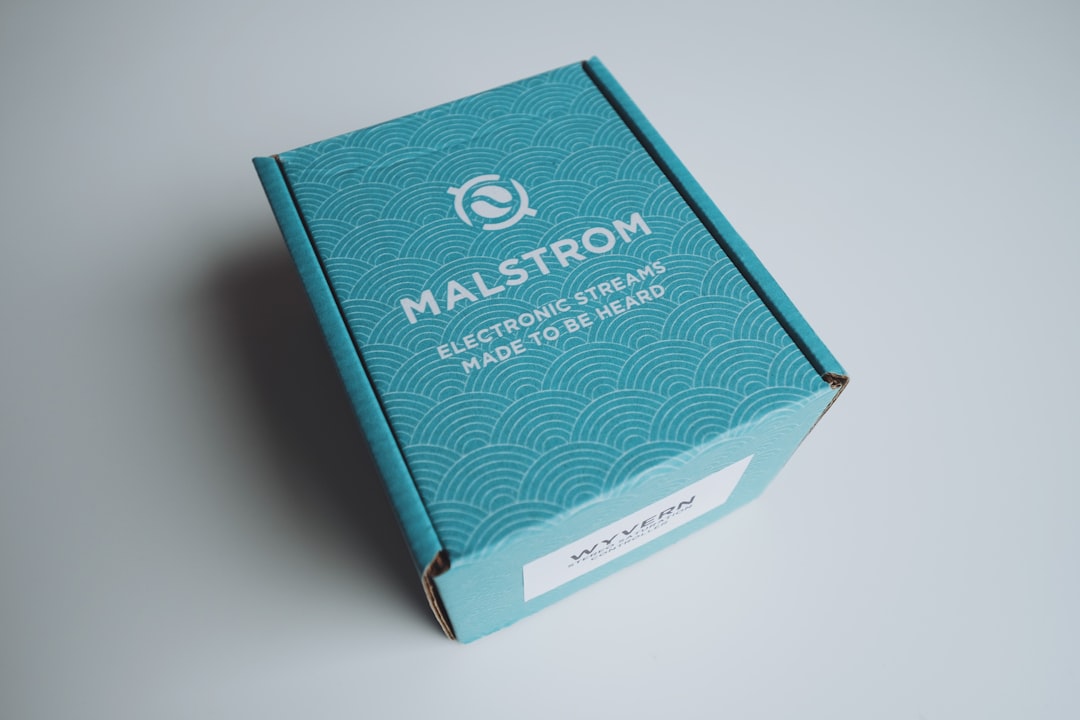
If your product requires protective inserts, unique folds, or specialty finishes, structural knowledge is crucial. Ask whether they provide 3D renderings, mockups, or physical prototypes before final production.
5. Understanding of Materials and Sustainability
Modern consumers increasingly value sustainability. Eco-friendly packaging is no longer a trend — it’s an expectation in many industries.
When evaluating an agency, ask:
- Do they recommend sustainable material options?
- Can they design for recyclability or compostability?
- Are they knowledgeable about reducing material waste?
- Do they understand environmentally friendly printing methods?
A knowledgeable packaging design company should balance sustainability with durability and cost-efficiency. They should also explain trade-offs honestly — sustainable options may affect budget or performance.
6. Clear Design Process and Workflow
An organized design process prevents delays and misunderstandings. Ask for a step-by-step outline of how they handle projects.
Typically, a professional workflow might include:
- Discovery and strategy phase
- Market and competitor analysis
- Concept development
- Design refinement
- Mockups and prototyping
- Prepress preparation
- Print coordination
Transparency about timelines, revision rounds, and deliverables is essential. Ambiguity around these topics often leads to cost overruns or missed launch deadlines.
7. Collaboration and Communication Style
Packaging design is collaborative. You’ll work closely with designers, brand managers, marketers, and sometimes manufacturers. Choosing a company with strong communication skills can make the entire process smoother.
Consider:
- Do they respond promptly to inquiries?
- Are they open to feedback?
- Do they explain technical terms clearly?
- Do they assign a dedicated project manager?
Cultural fit matters. A collaborative relationship fosters better creativity and problem-solving.
8. Prepress and Production Knowledge
Designing for print requires technical precision. A beautiful concept can fail if it isn’t production-ready.
Ensure the company understands:
- Color management systems (CMYK, Pantone)
- Dieline accuracy
- Bleeds and margins
- Special finishes (embossing, foil, varnish)
- Printer specifications and tolerances
Mistakes at this stage can be expensive. Ask whether they coordinate directly with printers or manufacturers to prevent costly errors.
9. Transparent Pricing and Scope Clarity
Packaging design costs can vary widely depending on complexity. Some agencies offer flat-rate packages, while others charge hourly or per phase.
Before signing any contract, ensure:
- All deliverables are clearly defined
- Revision limits are specified
- Additional services are itemized
- Ownership rights are clarified
Be cautious of unusually low quotes. High-quality packaging design requires research, expertise, and time. Cheap solutions may result in costly revisions later.
10. Client Testimonials and Case Studies
Past clients provide valuable insight into what working with the agency is really like.
Look for:
- Detailed case studies that outline challenges and solutions
- Measurable results (e.g., sales increase, retail expansion)
- Long-term client relationships
Testimonials that mention meeting deadlines, proactive communication, and problem-solving are strong positive indicators.
11. Comparing Different Types of Packaging Design Companies
Not all packaging design companies operate the same way. Here’s a simplified comparison to help you choose the right type.
| Type | Strengths | Best For | Considerations |
|---|---|---|---|
| Boutique Agency | Personal attention, highly creative | Startups, niche brands | May have limited production resources |
| Full-Service Branding Agency | Strategic alignment, integrated marketing | Growing or established brands | Higher cost structure |
| Structural Design Firm | Engineering expertise, custom builds | Complex or protective packaging | May require separate graphic design partner |
| Freelance Designer | Affordable, flexible | Small projects, tight budgets | Limited scalability or production oversight |
Your choice should align with your budget, timeline, and long-term brand goals.
12. Long-Term Partnership Potential
Packaging evolves. You may add new products, resize existing ones, adjust for new markets, or comply with updated regulations. Hiring a packaging design company isn’t just a short-term transaction — it can become an ongoing partnership.
Choose a team that:
- Shows interest in your brand’s future
- Offers scalability
- Maintains organized file systems for easy updates
- Provides post-launch support
A long-term collaboration ensures visual consistency across product lines and future campaigns.
Final Thoughts
Hiring a packaging design company is a strategic decision that goes far beyond choosing the most visually impressive proposal. It requires balancing creativity with commercial insight, brand alignment, regulatory awareness, sustainability consideration, and production expertise.
By thoroughly evaluating portfolios, asking detailed process questions, assessing communication style, and comparing agency types, you can identify a partner who not only designs packaging that looks exceptional — but packaging that performs in the real world.
At its best, packaging design transforms a simple product into a desirable brand experience. The right design company will help you achieve exactly that.