




In the lightning-fast world of global trade, customs-compliance software plays a pivotal role in ensuring shipments are declared accurately and pass through international borders smoothly. For freight forwarders and logistics providers, Software-as-a-Service (SaaS) platforms promise automation, reduced human error, and streamlined compliance processes. But what happens when the software they rely on goes haywire due to a bug? The impact can be costly and chaotic, but as we’ll explore, the best-in-class forwarders found ways to recover swiftly and protect both their clients and their bottom line.
TL;DR
A critical bug in a customs-compliance SaaS platform disrupted declarations and processing, risking fines, shipment delays, and reputational damage for freight forwarders. However, those who acted quickly by reverting to manual controls, leveraging API logs, and communicating proactively with customs authorities managed to minimize these risks. The incident underscores the need for contingency planning and redundancy in tech-dependent logistics. Lessons learned are already shaping how forwarders vet and implement customs-compliance software moving forward.
When Automation Falters: A Real-World SaaS Outage
In early 2023, a widely used customs-compliance SaaS platform experienced a critical bug that caused incorrect harmonized system codes (HS codes) to be submitted on thousands of shipping declarations. This resulted in:
- Immediate non-compliance with international trade regulations
- Customs rejections and holds at various ports
- Potential financial penalties including fines and demurrage fees
For many logistics companies, automation and integration with national customs systems are lifelines. A single disrupted data flow can cascade into days of trouble. In this case, the error affected auto-classification rules used to populate HS codes — a core function in customs entry submissions. As shipments stalled, the clock started ticking: perishable goods were at risk, client relationships teetered, and company reputations hung in the balance.
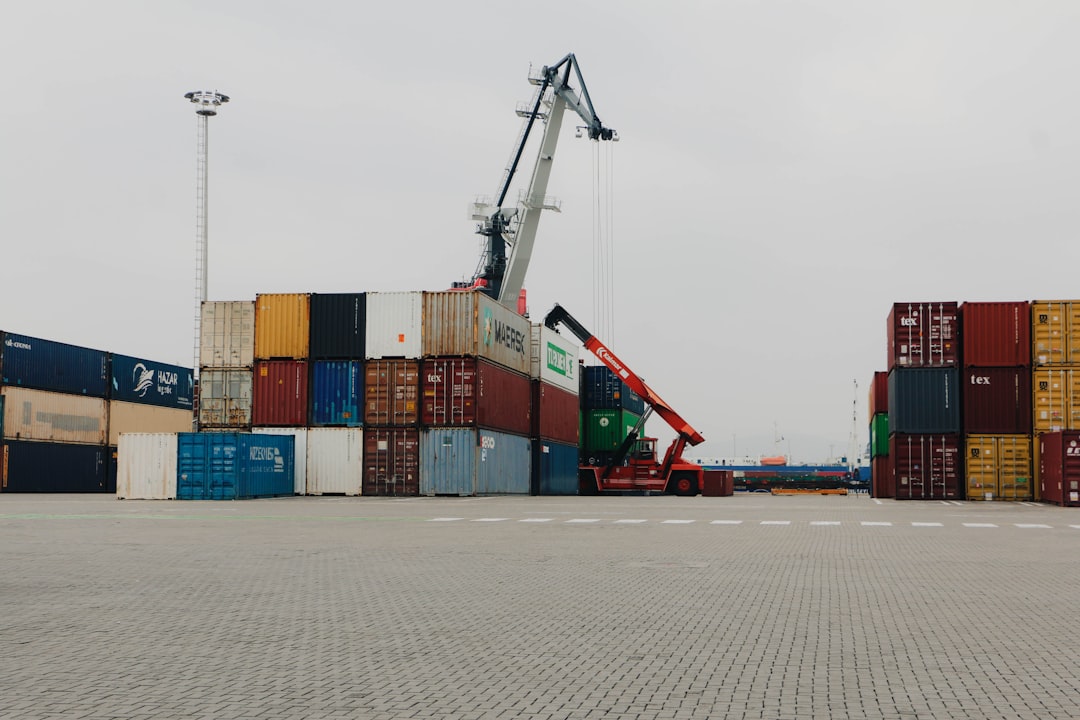
Immediate Impacts on Freight Forwarders
The fallout from the bug was swift and far-reaching. According to an anonymous operations director at a mid-sized European freight forwarder, “We were suddenly seeing over 30% of entries being bounced back by customs authorities. That volume is enough to cripple a week’s worth of exports.”
Some of the most common impacts included:
- Increased hold times at customs: Containers remained in limbo as forwarders had to refile entries or explain discrepancies to customs officials.
- Financial penalties: Misclassified goods resulted in incorrect duties, which opened forwarders to audits or serious non-compliance charges.
- Loss of customer confidence: Clients affected by delays or additional fees began seeking alternative service providers, especially in time-sensitive industries like pharmaceuticals and perishables.
How Forwarders Adapted to the Crisis
In the midst of disruption, several forwarders rose to the challenge and activated contingency plans. Here are the top strategies that helped mitigate the damage:
1. Manual Overrides and Dual Submission Systems
After identifying that the automation pipeline was the source of the problem, forwarders with robust manual entry capabilities went back to basics. Data entry teams stepped in to double-check classifications and refile entries in coordination with customs brokers.
One logistics firm maintained a parallel in-house tool for creating customs entries, intended primarily for low-volume use. They scaled up that internal system and directed all new filings through their manual platform until the SaaS provider issued a patch.
2. Leveraging API Logs for Forensics
Forwarders who had integrated the SaaS platform via APIs analyzed data logs to identify which shipments were affected. This information proved critical for:
- Contacting customs authorities proactively
- Filtering “at-risk” shipments from the broader pipeline
- Making corrections before goods reached the border
These logs also helped prove to regulatory agencies that remediation steps were being taken quickly — a move that softened the tone of potential penalties.
3. Proactive Communication with Customs and Clients
Consistent, transparent communication was perhaps the most important form of damage control. Leading forwarders issued customer advisories within 12 hours of the disruption, outlining the issue, temporary workarounds, and updated delivery estimates.
Simultaneously, they established hotlines for customs representatives, allowing for expedited review and manual processing of at-risk shipments. In some jurisdictions, forwarders received priority queues because of their openness and real-time cooperation.
What Went Wrong on the SaaS Side?
Post-mortem reports suggest that a recent code update, pushed without sufficient regression testing, caused the HS code misclassification. The SaaS provider had modified how product attributes were interpreted in automated classification — a change that failed to take into account multi-category goods that spanned more than one tariff chapter.
Key lessons include:
- Over-reliance on automation: Even small changes can have major consequences in compliance-heavy environments.
- Lack of sandbox testing environment: Forwarders were not given a preview window to vet updates before full rollout.
- Late detection: The SaaS provider took nearly 36 hours to identify and publicly acknowledge the bug — a delay that intensified forwarder frustration.
Building Post-Crisis Resilience
In the aftermath, forwarders began re-evaluating how customs-compliance SaaS fits into their tech stack. The common sentiment? Automation is a superpower — but only when paired with accountability and fallbacks.
Forwarders are now demanding:
- More transparent changelogs and communication: Advanced notice of any rule/logic changes impacting compliance functions
- Customizable logic layers: The ability to override default classification rules or filter them through additional approval thresholds
- Audit-ready log access: Tools that enable instant traceability in the event a customs audit takes place
Additionally, some forwarders began diversifying their tech vendors, choosing to split customs filing between two different platforms to mitigate single-point-of-failure risks.
Key Takeaways for the Industry
This incident may have been caused by a software patch, but its implications go far beyond code. As customs environments become more digitized, forwarders must prepare for both the benefits and vulnerabilities of deep automation.
Key recommendations:
- Maintain manual override systems even if 95% of operations are digitized
- Regularly test and audit third-party SaaS integrations
- Invest in training so operations teams can recognize abnormal patterns and react swiftly
As one global freight executive put it, “In logistics, you’re only as strong as your weakest API. And sometimes, the weakest link is one you didn’t know was there — until the shipments stop moving.”
Conclusion
SaaS platforms have revolutionized the customs-compliance landscape. But as this real-world case shows, software bugs — however rare — can quickly endanger supply chains and compliance reputations. The silver lining? Forwarders who plan for the unexpected, build manual redundancies, and foster trust with authorities and clients can not only survive, but reinforce long-term reliability.
As global trade becomes ever more complex, resilience isn’t just a buzzword — it’s a critical differentiator.