


LVMH Moët Hennessy Louis Vuitton is widely recognized as the world’s largest luxury conglomerate. Founded in 1987 through the merger of Louis Vuitton and Moët Hennessy, the group has steadily expanded its portfolio to include more than 70 prestigious brands across fashion, jewelry, perfumes, watches, wines, spirits, hospitality, and selective retail. As of 2026, LVMH continues to dominate the global luxury market through strategic acquisitions, heritage preservation, and investment in craftsmanship and innovation.
TLDR: As of 2026, LVMH owns over 70 luxury brands across six major divisions: Fashion & Leather Goods, Wines & Spirits, Perfumes & Cosmetics, Watches & Jewelry, Selective Retailing, and Other Activities. Its most famous brands include Louis Vuitton, Dior, Fendi, Bulgari, Tiffany & Co., Sephora, Moët & Chandon, Hennessy, and TAG Heuer. The group continues to expand through strategic acquisitions while maintaining the heritage and identity of each maison. LVMH remains the most influential luxury group in the world.
Understanding LVMH’s Structure in 2026
LVMH organizes its brands into six primary business groups:
- Fashion & Leather Goods
- Wines & Spirits
- Perfumes & Cosmetics
- Watches & Jewelry
- Selective Retailing
- Other Activities
This diversified structure reduces risk, balances seasonal cycles, and allows the company to maintain leadership across multiple luxury categories.
1. Fashion & Leather Goods (Core Division)
This is LVMH’s most profitable and iconic segment. It includes heritage maisons and modern luxury houses that shape global fashion trends.
Image not found in postmetaComplete Brands in Fashion & Leather Goods (2026):
- Louis Vuitton
- Christian Dior Couture
- Fendi
- Celine
- Loewe
- Givenchy
- Marc Jacobs
- Kenzo
- Emilio Pucci
- Donna Karan
- Berluti
- Loro Piana
- Rimowa
- Patou
- Off White
- Phoebe Philo (minority strategic investment)
Louis Vuitton remains the flagship and revenue powerhouse, known for leather goods, ready to wear, footwear, and accessories. Dior continues to thrive across couture and retail fashion, while Loro Piana dominates the ultra luxury textiles niche.
The acquisition strategy behind this segment focuses heavily on craftsmanship, European heritage, and vertical supply chain control.
2. Wines & Spirits
LVMH began with wine and cognac, and this division maintains significant global prestige.
Champagne Houses:
- Moët & Chandon
- Dom Pérignon
- Veuve Clicquot
- Krug
- Ruinart
- Mercier
Wines:
- Château d’Yquem
- Cheval Blanc
- Ao Yun
- Newton Vineyard
- Colgin Cellars
- Cloudy Bay
- Terrazas de los Andes
Spirits:
- Hennessy
- Belvedere
- Glenmorangie
- Ardbeg
- Volcán de Mi Tierra
- Woodinville Whiskey (strategic stake)
Hennessy remains the world’s leading cognac brand, particularly strong in the United States and China. The champagne portfolio gives LVMH dominance in celebratory luxury experiences.
3. Perfumes & Cosmetics
LVMH controls both heritage fragrance houses and modern beauty innovators.
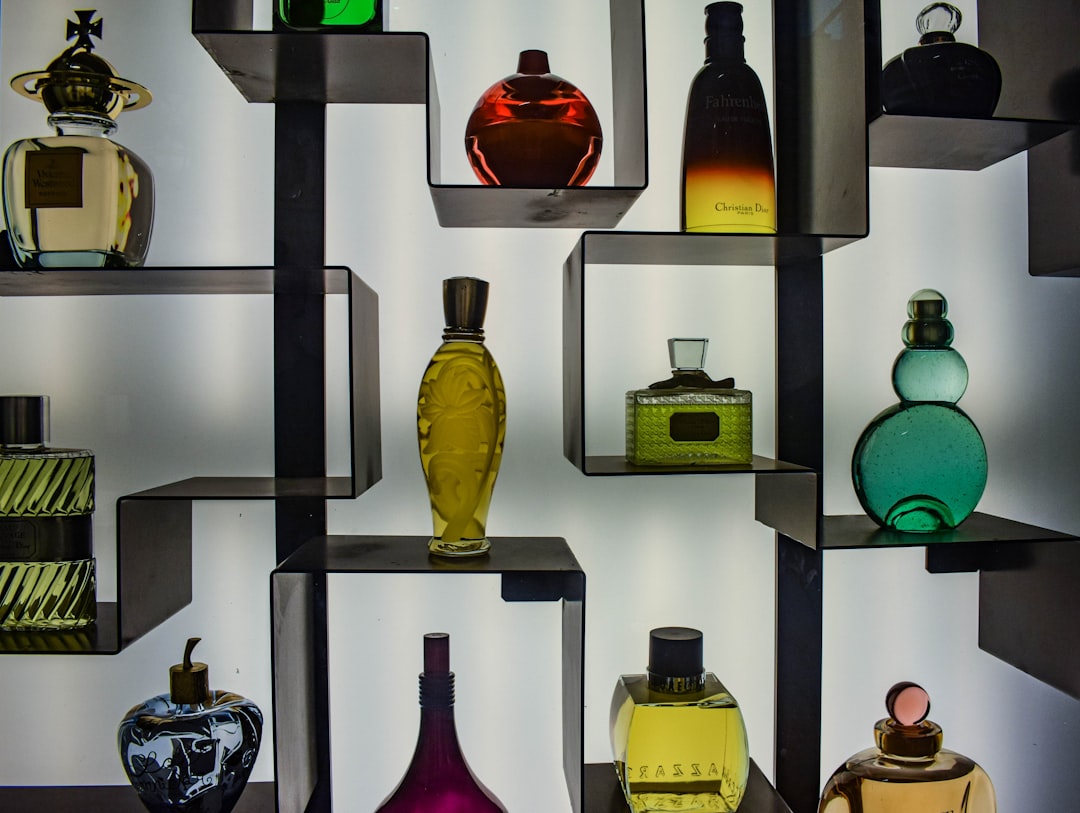
Owned Brands:
- Parfums Christian Dior
- Guerlain
- Givenchy Beauty
- Kenzo Parfums
- Benefit Cosmetics
- Make Up For Ever
- Fresh
- Fenty Beauty
- Fenty Skin
- Acqua di Parma
- Loewe Perfumes
- Maison Francis Kurkdjian
- KVD Beauty
- Ole Henriksen
Fenty Beauty, launched with Rihanna, disrupted the cosmetics industry with inclusive shade ranges. Meanwhile, Maison Francis Kurkdjian strengthened LVMH’s presence in high-end niche fragrance.
This division balances heritage (Guerlain dates to 1828) with trend-driven innovation in skincare and makeup.
4. Watches & Jewelry
Luxury timepieces and high jewelry became a major focus after several strategic acquisitions.
Core Brands:
- Bulgari
- Tiffany & Co.
- TAG Heuer
- Hublot
- Zenith
- Chaumet
- Fred
- Repossi
- Daniel Roth (revived)
- Gérald Genta (revived)
Tiffany & Co., acquired in 2021, significantly strengthened LVMH’s U.S. presence and bridal jewelry segment. Bulgari leads in high jewelry and watches, while TAG Heuer drives Swiss sports watch innovation.
The revival of historic independent watchmakers like Daniel Roth signals LVMH’s commitment to horological heritage.
5. Selective Retailing
This division focuses on luxury distribution channels.
- Sephora
- DFS Group
- Le Bon Marché
- La Grande Epicerie de Paris
- Starboard Cruise Services
Sephora is the global beauty retail leader with thousands of stores worldwide. DFS Group dominates airport and duty free luxury retailing, especially in Asia and travel retail markets.
Selective retailing allows LVMH to control distribution channels rather than relying entirely on third party retailers.
6. Other Activities
This category encompasses hospitality, publishing, and experiential luxury.
- Cheval Blanc Hotels
- Bulgari Hotels & Resorts
- Belmond (luxury travel and trains)
- Royal Van Lent (Feadship luxury yachts stake)
- Les Echos (media)
- Le Parisien (media)
- Radio Classique
Belmond, acquired in 2019, includes iconic assets such as the Venice Simplon-Orient-Express train and Hotel Cipriani in Venice. Cheval Blanc continues to expand ultra-luxury hospitality in Paris, Maldives, St. Tropez, and beyond.
How Many Brands Does LVMH Own in 2026?
In total, LVMH owns or holds controlling stakes in more than 75 luxury brands as of 2026. This number shifts occasionally due to minority investments, brand consolidations, and strategic divestitures.
The breakdown by influence:
- Fashion & Leather Goods: 15+ brands
- Wines & Spirits: 20+ estates and houses
- Perfumes & Cosmetics: 15+ brands
- Watches & Jewelry: 10+ brands
- Selective Retailing: 5 major entities
- Hospitality & Media: Several holdings and properties
This diversified portfolio makes LVMH far larger than rivals such as Kering, Richemont, or Estée Lauder Companies in combined luxury market capitalization.
Why LVMH’s Brand Portfolio Works
LVMH does not operate as a typical corporate conglomerate. Instead, it follows a “maison autonomy” model:
- Each brand maintains independent creative direction.
- Heritage and craftsmanship remain central.
- Centralized resources support manufacturing and global expansion.
- Strong financial backing enables long-term strategy rather than short-term results.
This balance between independence and central support has been critical to its sustained growth.
Recent Strategic Trends in 2025–2026
Several notable developments shape LVMH’s current direction:
- Expansion into ultra high jewelry under Tiffany and Bulgari.
- Growing investment in hospitality and experiential luxury.
- Revival of historic watchmakers.
- Increased focus on sustainability and traceable supply chains.
- Selective minority investments in emerging designers.
The company increasingly prioritizes vertical integration, acquiring suppliers and ateliers to secure exclusive production capabilities.
Final Thoughts
As of 2026, LVMH stands as the most powerful luxury group in the world, controlling an extensive portfolio of more than 70 prestigious brands. From Louis Vuitton handbags and Dior couture to Moët champagne, TAG Heuer watches, and Sephora retail stores, the company touches nearly every segment of high-end consumer culture.
Its success lies not merely in acquisitions, but in preserving the DNA of each maison while providing financial strength and global infrastructure. With continued investments in craftsmanship, hospitality, and selective expansion, LVMH appears positioned to maintain its leadership well beyond 2026.
For anyone seeking a comprehensive understanding of global luxury ownership, LVMH’s portfolio provides the clearest picture of how modern luxury is structured, scaled, and sustained.