


In a digital workplace where teams review applications, verify identities, moderate content, track devices, and document activity across screens, Screen It software represents a practical category of tools built around one main idea: making visual review faster, more organized, and easier to act on. Depending on the environment, Screen It may be used for screening workflows, screen capture, compliance checks, monitoring, reporting, or approval processes. At its best, it turns scattered visual information into structured insight that teams can search, share, and use with confidence.
TLDR: Screen It software helps organizations capture, review, organize, and act on screen-based information. It is especially useful for teams that need fast visual verification, workflow tracking, documentation, or quality control. The best solutions combine ease of use, automation, secure storage, and clear reporting. When chosen carefully, Screen It can reduce manual work, improve accuracy, and make review processes more transparent.
What Is Screen It Software?
Screen It software is a broad term that can describe platforms designed to screen, capture, review, or monitor digital information displayed on a computer or device screen. While the exact features vary by product, the common goal is to help users see, assess, record, and manage visual data more efficiently.
For example, a company might use Screen It software to inspect submitted documents, evaluate website content, review employee training progress, capture screenshots for support tickets, or verify that digital processes are being completed correctly. In education, it may support remote assessments or digital classroom oversight. In customer support, it may help agents document technical issues. In compliance-focused industries, it may provide records that prove certain checks were completed.
Rather than relying on manual notes, memory, or scattered screenshots saved across folders, Screen It software usually provides a central system where visual evidence and related information can be stored, labeled, searched, and shared.
Why Businesses Use Screen It Software
The biggest reason organizations adopt Screen It software is simple: manual screening takes time. When teams must review large amounts of visual or digital information, small inefficiencies quickly become expensive. A tool that automates capture, standardizes review steps, and keeps everything in one place can make a major difference.
Screen It software is commonly used to improve:
- Speed: Reviewers can process cases, screens, or submissions faster with organized queues and automated tools.
- Consistency: Standard checklists and workflows reduce variation between reviewers.
- Accountability: Records show who reviewed what, when it was reviewed, and what decision was made.
- Accuracy: Visual evidence, annotations, and comparison tools help teams avoid missed details.
- Collaboration: Teams can comment, assign tasks, and share findings without moving files manually.
- Compliance: Audit trails and secure storage support regulated processes.
In short, Screen It software helps transform review work from a loose, informal process into a reliable operating system for visual decision-making.
Core Features to Expect
Although different Screen It solutions serve different industries, many share a similar set of core features. Understanding these features makes it easier to evaluate whether a specific platform fits your needs.
1. Screen Capture and Recording
Many Screen It tools include the ability to capture screenshots, record screen activity, or save specific windows and application views. This is especially useful for technical support, quality assurance, training, and documentation. Instead of describing a problem in vague terms, users can show exactly what happened.
2. Review Queues and Workflow Management
A strong Screen It platform usually includes a queue-based system where items move through stages such as new, in review, approved, rejected, or escalated. This keeps work visible and prevents cases from getting lost in email threads or shared drives.
3. Annotation and Markup Tools
Annotations allow users to highlight areas, add arrows, blur sensitive details, draw boxes, or leave comments directly on captured screens. This makes communication clearer and reduces back-and-forth explanations.
4. Searchable Records
One of the most valuable features is the ability to search past reviews by date, user, status, tag, category, or keyword. Searchable records help teams quickly retrieve evidence for audits, customer disputes, training examples, or performance reviews.
5. Integrations
Screen It software often becomes more powerful when connected to other tools, such as help desk platforms, project management systems, HR software, CRM tools, cloud storage, or identity verification systems. Integrations reduce duplicate data entry and keep work moving smoothly.
6. Reporting and Analytics
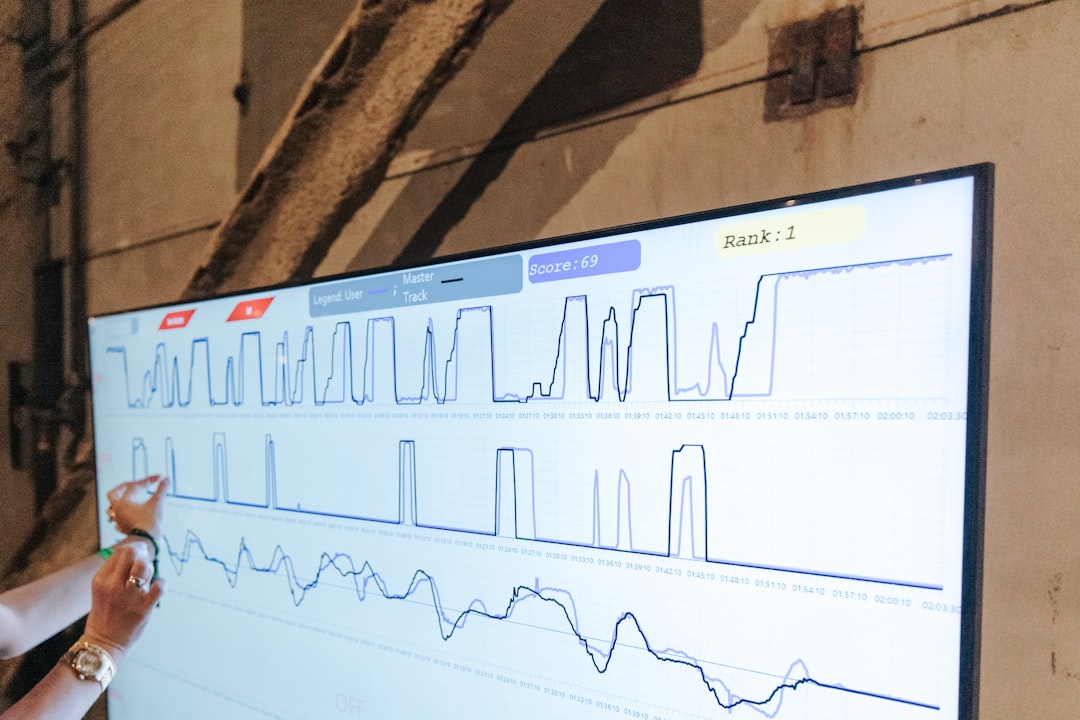
Dashboards may show how many items were screened, average review time, approval rates, error trends, workload by reviewer, or bottlenecks in the process. These insights help managers improve operations instead of guessing where delays occur.
Common Use Cases
Screen It software can be useful across many departments. Its flexibility is one reason the category continues to grow.
Customer Support
Support teams use screen capture and review tools to document bugs, reproduce user problems, and provide clearer troubleshooting steps. A visual record is often much more useful than a written description like “the page is not working.” Agents can capture the issue, annotate the problem area, and send it to developers or customers.
Quality Assurance
QA teams can use Screen It software to compare expected results with actual screen behavior. This is valuable for software testing, website reviews, mobile app checks, and digital product launches. Screenshots and recordings provide proof of defects and help developers understand exactly what needs fixing.

Human Resources and Hiring
In recruitment or employee evaluation workflows, screening tools may help organize applications, verify information, or document digital assessments. If candidates complete online tasks, a Screen It system may help reviewers evaluate submissions consistently and securely.
Compliance and Audit Preparation
Industries such as finance, healthcare, education, and government often require clear documentation. Screen It software can create records showing that required checks were performed and that decisions followed approved procedures. Audit trails, timestamps, and permission controls are especially important in these environments.
Training and Education
Trainers can use screen recordings to create tutorials, capture demonstrations, or review learner activity. Instructors may use visual evidence to provide feedback, while employees can revisit recorded steps when they need a refresher.
User Experience: What Makes a Good Screen It Platform?
The best Screen It software is powerful without feeling complicated. Since these tools are often used by busy reviewers, support agents, managers, and non-technical staff, the interface should be clean and intuitive.
A good user experience typically includes:
- A clear dashboard that shows pending work, priorities, and recent activity.
- Simple capture controls for screenshots, recordings, or uploads.
- Fast loading times so reviewers are not waiting between items.
- Clear status labels that show where each item stands.
- Role-based access so users only see what they are allowed to review.
- Mobile or browser access for teams that need flexibility.
If the software requires too much training, users may avoid it or create workarounds. That defeats the purpose. A strong platform should feel like it removes friction, not adds another layer of administration.
Security and Privacy Considerations
Because Screen It software may deal with sensitive visual data, security is a major concern. Screens can contain names, addresses, account numbers, private messages, medical details, confidential documents, or internal business information. Any organization using this type of software should pay close attention to how data is protected.
Important security features include:
- Encryption: Data should be encrypted in transit and at rest.
- Access controls: Administrators should be able to define who can view, edit, export, or delete records.
- Audit logs: The system should track user activity for accountability.
- Data retention settings: Organizations should control how long captured information is stored.
- Redaction tools: Sensitive information should be blur-able or removable before sharing.
- Compliance support: Depending on the industry, the platform may need to support standards such as GDPR, HIPAA, SOC 2, or ISO-related practices.
Privacy should not be an afterthought. Before implementation, leaders should define what will be captured, why it is needed, who can access it, and when it should be deleted.
Benefits of Implementing Screen It Software
When implemented well, Screen It software can deliver measurable advantages. The benefits are not limited to saving time; they also influence quality, trust, and decision-making.
- Reduced manual effort: Automated capture, routing, and reporting cut down on repetitive administrative work.
- Better communication: Visual context helps teams understand issues more quickly than text alone.
- Improved decision records: Review histories make it easier to explain why an action was taken.
- Higher productivity: Organized queues and dashboards help teams focus on priority work.
- Stronger training: Real examples can be used to teach best practices and reduce future errors.
- Fewer lost details: Screenshots, recordings, and notes preserve information that might otherwise be forgotten.
For managers, the real value often appears in reporting. Once work is tracked consistently, leaders can identify bottlenecks, compare workloads, and make process improvements based on evidence instead of assumptions.
Potential Limitations
No software is perfect, and Screen It tools have limitations that buyers should consider. First, they can create privacy concerns if used without clear policies. Employees, customers, or students may feel uncomfortable if they do not understand what is being captured and why.
Second, storing large volumes of screenshots or recordings can increase storage costs. Organizations should use retention rules and compression settings to avoid keeping unnecessary data forever.
Third, automation is helpful but not always flawless. Visual screening may still require human judgment, especially in complex cases where context matters. The best approach is usually a balanced one: let software handle repetitive organization while skilled reviewers make final decisions.
How to Choose the Right Screen It Software
Before selecting a platform, organizations should define their main objective. Are they trying to document support issues, screen submissions, monitor compliance, improve QA testing, or build training resources? The right choice depends heavily on the workflow.
Useful questions to ask include:
- What exactly needs to be captured or reviewed?
- How many users will need access?
- Does the software need to integrate with existing systems?
- What security requirements apply?
- How long should records be retained?
- Can the platform scale as review volume grows?
- Is reporting detailed enough for managers and auditors?

It is also wise to request a demo or trial. During testing, involve the people who will use the software daily. Their feedback on speed, layout, and usability is just as important as the feature list.
Implementation Best Practices
A successful rollout requires more than installing software. Teams should create clear procedures and expectations from the beginning.
- Start with a pilot group: Test the software with a small team before expanding company-wide.
- Create naming and tagging rules: Consistent labels make records easier to search later.
- Train users with real examples: Show how the tool fits into existing work, not just how buttons function.
- Define privacy boundaries: Make it clear what should and should not be captured.
- Review analytics regularly: Use reports to improve workflows and identify bottlenecks.
Good implementation turns Screen It software into a trusted part of daily operations. Poor implementation can make it feel like extra monitoring or unnecessary bureaucracy, so communication matters.
The Future of Screen It Software
The future of Screen It software will likely involve more automation, smarter recognition, and deeper integration with everyday business systems. Artificial intelligence may help identify patterns, detect sensitive information, summarize screen recordings, flag unusual activity, or recommend next steps based on past decisions.
At the same time, privacy expectations will continue to rise. The strongest platforms will be those that combine intelligent screening with transparent controls, ethical data handling, and user-friendly design. Organizations will increasingly look for tools that do not just capture information, but help interpret it responsibly.
Final Thoughts
Screen It software is valuable because modern work is increasingly visual. Whether teams are reviewing applications, documenting technical problems, checking compliance steps, or training employees, they need reliable ways to capture and understand what appears on screen. A well-chosen platform can reduce confusion, speed up reviews, and create a stronger record of decisions.
The key is to choose software that matches the organization’s real workflow, not just the longest feature list. With the right balance of usability, security, automation, and reporting, Screen It software can become a powerful tool for clarity, accountability, and smarter digital operations.