


Businesses today generate more data than ever before, much of it flowing not from people but from connected devices. From smart thermostats and wearable health trackers to industrial sensors and fleet tracking systems, the Internet of Things (IoT) has transformed how organizations collect and interpret information. At the same time, Customer Relationship Management (CRM) software has evolved beyond contact databases into sophisticated platforms for sales, marketing, and service orchestration. When these two ecosystems are integrated, companies unlock a new level of intelligence, automation, and operational efficiency.
TLDR: Integrating CRM software with the Internet of Things allows businesses to turn real-time device data into actionable customer insights. This integration enhances personalization, automates service processes, and improves operational efficiency across departments. By connecting IoT-generated data directly to customer profiles, organizations can predict needs, prevent problems, and deliver faster, smarter experiences. The result is a data-driven ecosystem that strengthens customer relationships while streamlining internal workflows.
The integration of CRM and IoT is more than just a technical upgrade. It represents a strategic shift toward proactive engagement, predictive decision-making, and seamless automation. Let’s explore how this combination is reshaping modern business.
Understanding the Convergence of CRM and IoT
Traditionally, CRM platforms relied on human input: sales calls, support tickets, emails, and purchase histories. While valuable, this data often reflected past interactions rather than current conditions. IoT changes this dynamic by providing continuous, real-time streams of information from connected products and environments.
When integrated, IoT devices feed data directly into CRM systems, enriching customer profiles with contextual insights such as:
- Product usage patterns
- Performance metrics and diagnostics
- Environmental data and location tracking
- Maintenance or service alerts
Instead of reacting to customer complaints, companies can anticipate needs before the customer is even aware of an issue. This shift from reactive to proactive engagement is the core value of CRM-IoT integration.
Smarter Data: Turning Device Signals into Customer Intelligence
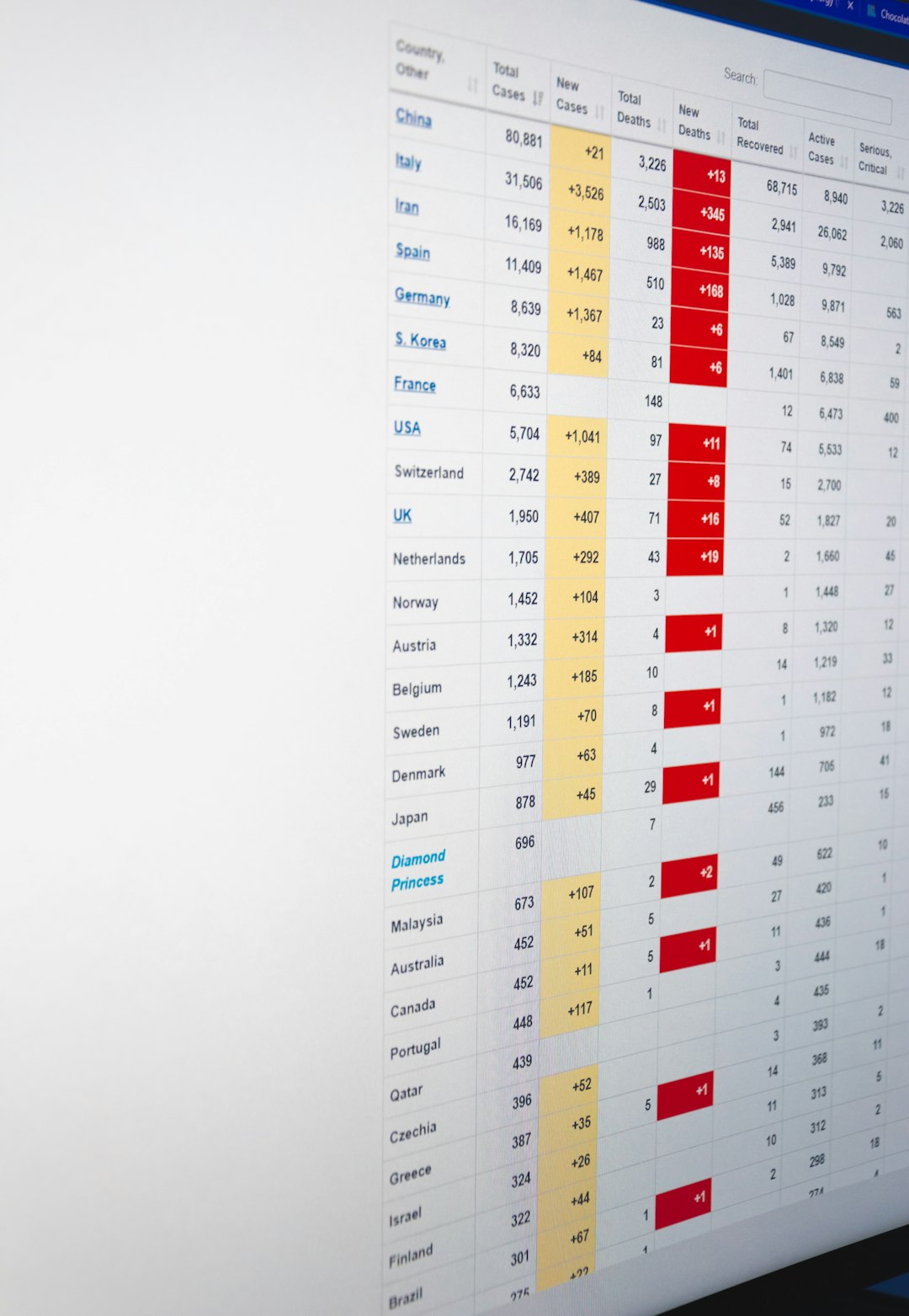
Data alone is not valuable unless it is actionable. Integrating IoT with CRM platforms enables businesses to contextualize raw device data within customer lifecycle stages. This combination transforms signals into strategic intelligence.
For example:
- A smart appliance manufacturer can detect abnormal performance and automatically create a service case in the CRM.
- A fleet management company can correlate vehicle diagnostics with client accounts to recommend preventative maintenance.
- A healthcare provider can monitor wearable device data and trigger alerts for follow-up communication.
By embedding IoT data within customer records, sales and service teams gain a 360-degree view that goes far beyond transaction history. They can see how products are being used, how often, and under what conditions. This context enables:
- Personalized upselling based on usage trends
- Targeted marketing campaigns tailored to real-life behavior
- Early risk detection for churn prevention
In essence, CRM becomes a living reflection of the customer’s ongoing interaction with the product, not just a record of past conversations.
Automation That Eliminates Friction
One of the most significant advantages of integration lies in automation. IoT devices generate triggers; CRM systems execute workflows. Together, they eliminate manual intervention and reduce costly delays.
Consider these automated scenarios:
- Predictive Maintenance: When a sensor detects performance degradation, the CRM automatically schedules a service appointment and notifies the customer.
- Renewal Reminders: Usage thresholds can trigger automated contract extension offers.
- Inventory Replenishment: Smart devices can notify the CRM when consumable supplies are running low, prompting a reorder process.
This automation improves operational efficiency by:
- Reducing the burden on support teams
- Minimizing downtime for customers
- Ensuring consistent, timely communication
Rather than waiting for customers to initiate contact, businesses can proactively resolve potential issues, building trust and strengthening long-term loyalty.
Enhancing Customer Experience Through Proactive Service
Customer expectations are evolving rapidly. People now expect personalized, immediate, and intuitive interactions. CRM and IoT integration provides the infrastructure to meet these demands.
When devices continuously communicate their status, companies can:
- Deliver real-time notifications
- Offer customized product recommendations
- Provide predictive troubleshooting support
This proactive approach dramatically improves first-contact resolution rates. Service representatives no longer need to diagnose an issue from scratch; the data is already attached to the customer profile.
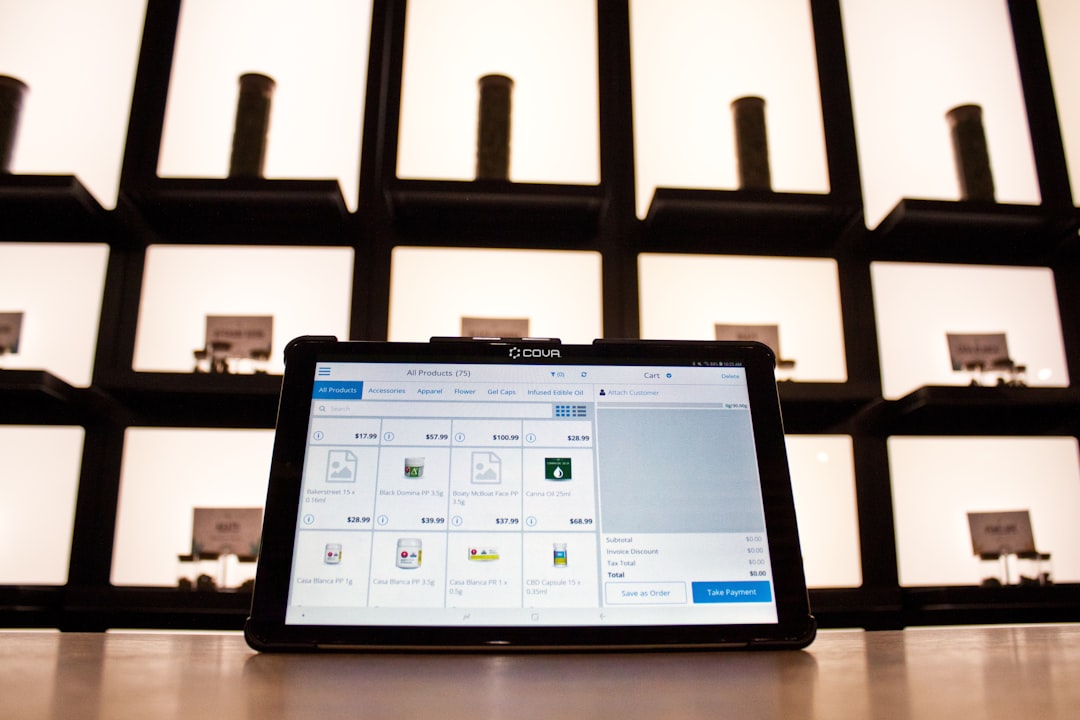
Imagine a smart HVAC provider. If sensors detect declining efficiency in a customer’s system, the CRM can automatically:
- Create a service case.
- Assign a technician based on location and availability.
- Send a notification with appointment options.
- Provide the technician with equipment diagnostics before arrival.
The customer experiences seamless service without needing to troubleshoot or explain the problem. This level of responsiveness becomes a powerful competitive differentiator.
Driving Sales and Revenue Growth
The integration is not just about service optimization; it is also a revenue engine. IoT-driven insights allow sales teams to identify precise opportunities based on actual usage patterns.
For example:
- Heavy product usage might indicate readiness for premium upgrades.
- Underutilization could signal a need for additional training or support services.
- Frequent maintenance alerts may suggest an upsell to a more durable model.
By aligning sales recommendations with real-world data, organizations avoid generic pitches. Instead, communications are supported by measurable insights, increasing conversion rates and customer trust.
Marketing departments also benefit. Campaigns can be triggered by IoT events rather than static timelines. This leads to:
- Event-driven promotions
- Behavior-based segmentation
- Hyper-personalized messaging
The result is a more agile revenue strategy grounded in dynamic customer behavior rather than assumptions.
Improving Operational Efficiency Across Departments
Beyond customer-facing roles, CRM and IoT integration enhances internal processes. When data flows seamlessly between systems, departments operate with greater coordination.
Key internal benefits include:
- Better resource allocation: Service teams can predict workloads based on device health data.
- Streamlined inventory management: Parts and supplies can be replenished proactively.
- Data-driven product development: Engineering teams gain insight into real-world performance.
This cross-departmental visibility reduces silos and fosters collaboration. Operations become more predictable, and planning becomes more accurate.
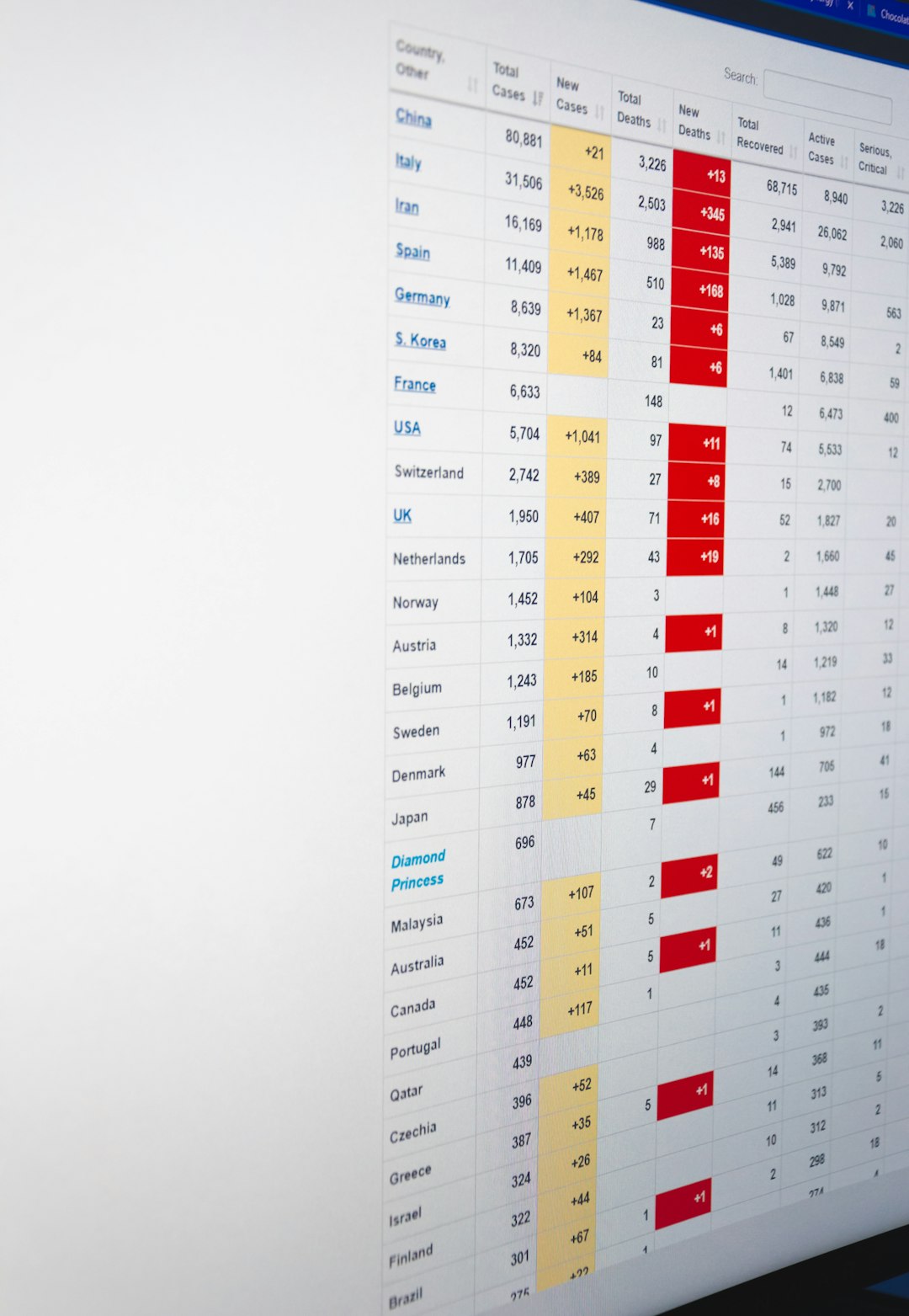
For manufacturing and industrial sectors, the impact is particularly transformative. Sensors embedded in machinery can relay performance details into CRM systems, linking them to specific client accounts. This enables contract optimization, warranty management, and even outcome-based pricing models.
Challenges and Considerations
Despite its promise, integration requires careful planning. Businesses must address several key considerations:
- Data Security: IoT devices are potential entry points for cyber threats. Robust encryption and authentication are critical.
- Data Governance: Clear policies are needed to manage data ownership, access, and compliance.
- System Compatibility: Ensuring APIs and middleware allow seamless communication between platforms.
- Scalability: Infrastructure must support growing data volumes as more devices come online.
Organizations should approach integration strategically rather than as an isolated IT project. Aligning technical implementation with business objectives ensures measurable returns.
The Future of Connected Intelligence
As artificial intelligence and machine learning become more advanced, the synergy between CRM and IoT will grow even stronger. Predictive models will analyze historical and real-time device data simultaneously, generating deeper insights and automated recommendations.
Emerging trends include:
- AI-powered predictive analytics for churn prevention
- Voice-activated service integration connected to customer profiles
- Autonomous service scheduling without human intervention
In this future landscape, CRM systems will function as intelligent command centers. They will not just manage relationships but actively optimize them through continuous learning and connected feedback loops.
Conclusion
Integrating CRM software with the Internet of Things represents a fundamental evolution in how businesses operate. By transforming device data into enriched customer profiles, companies can deliver proactive service, automate complex workflows, and uncover precise revenue opportunities. The combination strengthens customer loyalty while improving internal efficiency across sales, marketing, service, and operations.
Organizations that embrace this integration today position themselves for a smarter, more agile tomorrow. In a world increasingly defined by connectivity, the ability to bridge physical devices with digital customer intelligence is no longer optional. It is the key to unlocking sustainable growth, operational excellence, and truly data-driven relationships.