



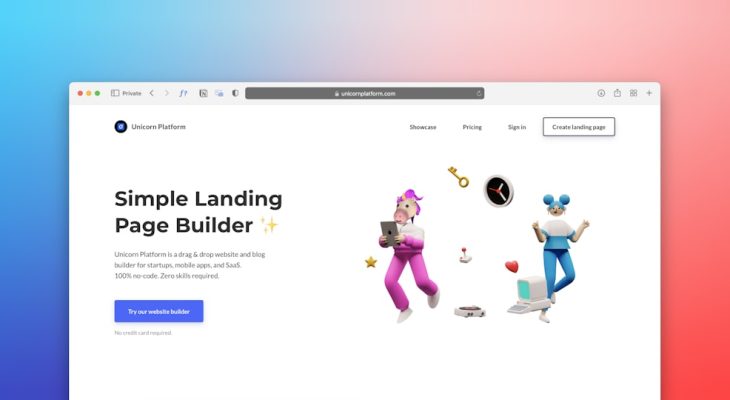
SEO landing pages work best when the page answers the searcher’s real goal before asking for a click, form fill, demo request, or purchase. A high-ranking page often fails when it matches a keyword but misses intent. A strong page connects three things: content that fits the query, trust signals that reduce doubt, and conversion paths that feel natural.
TLDR: A landing page should match the reason behind the search, prove that the brand is credible, and make the next step obvious. For example, a B2B software team that rewrote a “best project management tool” page with comparison tables, proof points, and clearer demo CTAs saw demo clicks rise by 31% and scroll depth improve from 46% to 68% in six weeks. The content did not get longer for the sake of length. It got more useful at the exact moment the visitor needed help.
Search Intent Comes Before Page Design
Search intent is the job behind the query. A person searching “what is CRM software” needs education. A person searching “best CRM for small business” wants options and proof. A person searching “HubSpot alternative pricing” is closer to a purchase decision.
When a page treats all three visitors the same, performance suffers. The catch is that many teams still build landing pages around internal goals, not search behavior. They want leads now, so they push a form too early. Then the page ranks, gets clicks, and loses people within seconds.
A practical intent map helps avoid that problem:
- Informational intent: answer questions, define terms, explain process, add examples.
- Commercial intent: compare options, show benefits, include product fit, add proof.
- Transactional intent: show price, availability, trial, demo, guarantees, and clear actions.
- Local intent: present location, service area, reviews, maps, hours, and contact options.
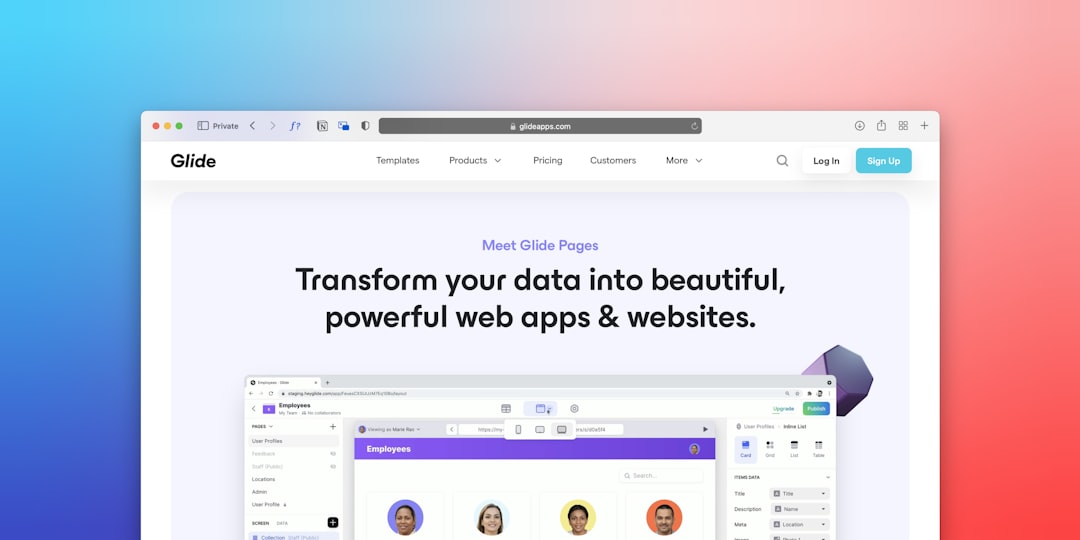
Match the Page Format to the Query
A landing page does not need to look like a classic sales page every time. The format should match the query type. If the search results show guides, a thin lead form page will struggle. If the results show product pages, a long educational article may create friction.
Teams should review the top results before writing. They should look at headings, page types, depth, snippets, reviews, and calls to action. This is not copying. It is reading the room.
For example, a search for “email marketing services for ecommerce” may need:
- A short definition of the service.
- A list of ecommerce-specific features.
- Proof from similar stores.
- Pricing cues or package ranges.
- A CTA for consultation or audit.
That page should not start with a vague brand story. It should answer, “Can this provider help an ecommerce business make more revenue from email?”
Place the Main Answer Above the Fold
The top section should confirm relevance fast. A visitor should know within five seconds that the page fits the query. The headline, subheading, supporting copy, and first CTA all need to point in the same direction.
A strong opening section usually includes:
- A keyword-aligned headline that sounds natural.
- A clear value statement tied to the visitor’s problem.
- A primary CTA that matches buying stage.
- One proof point, such as ratings, client count, or result data.
- A secondary path for visitors who are not ready yet.
It drives teams crazy when analytics show plenty of impressions and clicks, but the page loses half its users before the first scroll. Often, the issue is not traffic quality. The page simply waits too long to say something useful.
Build Content Around Questions and Objections
Good landing page content feels like a smart sales conversation. It answers the current question, then the next question, then the objection that would stop action.
For a commercial page, useful sections may include:
- Who the offer is for and who it is not for.
- Key benefits tied to specific pain points.
- Feature explanations written in plain language.
- Comparison blocks against common alternatives.
- Process steps that reduce uncertainty.
- FAQs that handle price, timing, setup, support, and risk.
The content should avoid empty claims. “Increase productivity” is weak by itself. “Reduce manual reporting time by syncing sales data into one dashboard” is stronger. It says what changes and why it matters.
Use Trust Signals Near Moments of Doubt
Trust signals should sit close to the claims they support. A testimonial buried near the footer may help, but it works harder when placed beside a pricing claim, feature promise, or form.
Useful trust elements include:
- Customer logos from relevant industries.
- Reviews and ratings with source labels.
- Case study metrics, such as “22% lower cost per lead.”
- Security badges for data-sensitive offers.
- Guarantees, trial details, or cancellation terms.
- Author bios for expert-led content.
Specific proof beats broad praise. A quote such as “The team helped reduce onboarding time from 14 days to 6 days” is more persuasive than “Great service and great people.”
Create Conversion Paths for Different Readiness Levels
Not every visitor is ready to buy. A strong SEO landing page gives each visitor a reasonable next step. One buyer may request a quote. Another may download a checklist. Another may compare pricing. If the only option is “Book a demo,” many visitors leave.
Conversion paths can include:
- Primary CTA: book a demo, get a quote, start a trial, buy now.
- Secondary CTA: view pricing, read a case study, watch a video.
- Soft CTA: download a guide, join a newsletter, use a calculator.
The best CTA depends on intent. Informational pages may convert better with a useful download. Commercial pages may perform better with comparison tools. Transactional pages should make buying or booking simple.
Measure Intent Match With Behavior Data
Rankings are not enough. A page can rank and still fail. Teams should review behavior metrics to see whether the content matches the visitor’s goal.
Useful metrics include:
- Engagement rate: shows whether visitors interact with the page.
- Scroll depth: reveals whether users reach key sections.
- CTA click rate: shows whether the offer feels relevant.
- Form start rate: indicates interest before friction appears.
- Form completion rate: shows whether the request feels fair.
- Query data: reveals which searches bring visitors to the page.
Honestly, it feels like some reporting tools hide the useful detail three clicks too deep. Teams should still check the data weekly after major edits. If scroll depth is low, the top section may be weak. If CTA clicks are low, the offer may not fit intent. If form starts are high but completions are low, the form may ask too much.
Keep SEO and Conversion Working Together
SEO copy should not feel separate from sales copy. The page needs keywords, but it also needs clarity. The page needs depth, but it also needs speed. The page needs expert content, but it also needs a clear action.
A balanced page includes semantic keywords, helpful headings, fast loading, internal links, and structured answers. It also includes persuasive proof, clean design, and CTAs placed after value has been shown.
The final test is simple. If a searcher arrives from the target query, can that person quickly say, “This is what was needed, and this seems safe to try”? If yes, the page has a strong foundation.
FAQ
What is SEO landing page optimization?
SEO landing page optimization is the process of improving a page so it can rank for relevant searches, satisfy search intent, build trust, and convert visitors into leads or customers.
How can a team identify search intent?
A team can review the current search results, study query wording, check competitor page formats, and analyze on-page behavior. The best clues often come from the pages already ranking well.
How many CTAs should an SEO landing page have?
Most pages need one primary CTA and one or two secondary options. Too many choices can weaken focus, but only one aggressive CTA can lose visitors who need more proof.
Where should trust signals be placed?
Trust signals should appear near key decisions. Good placements include the hero section, pricing area, feature claims, case study sections, and beside forms.
How often should landing pages be updated?
High-value pages should be reviewed at least once per quarter. Pages in competitive search results may need updates more often, especially when rankings, clicks, or conversions drop.