




AI ad infrastructure is a chain of systems that decides who sees an ad, what they see, what the advertiser pays, and how results are credited. The useful part is not “AI” as a buzzword. It is the way prediction, automation, data pipelines, creative tools, auctions, and analytics work together in milliseconds.
TLDR: AI advertising stacks use data to predict the best audience, assemble or choose the right creative, bid in real time, and measure what happened after the impression or click. For example, an ecommerce brand might feed product views, cart events, and purchase history into a campaign, then let the system raise bids by 28% for users likely to buy within 24 hours. In a simple test, that could mean spending $10,000, reaching 180,000 people, and cutting cost per purchase from $42 to $31. The hard part is keeping the data clean, the models honest, and the measurement usable.
The stack at a glance
Most automated ad systems have four big jobs: targeting, creative generation or selection, bidding, and measurement. Around those jobs sit identity tools, data storage, consent systems, fraud filters, brand safety checks, and reporting dashboards. It is less like one magic brain and more like a busy control room.
A typical stack includes:
- Data collection: pixels, SDKs, server events, CRM imports, product feeds, and offline sales files.
- Identity and audience matching: hashed emails, device IDs where allowed, clean rooms, lookalike models, and consent signals.
- Decision engines: models that score users, placements, products, and predicted value.
- Creative systems: tools that generate text, crop images, test layouts, and match offers to segments.
- Bidding systems: engines that decide how much to bid for each impression.
- Measurement layers: attribution, incrementality testing, media mix modeling, and business reporting.

Targeting: from audience lists to probability scores
Automated targeting starts with signals. Some are direct, such as a product page visit or newsletter signup. Others are inferred, such as shopping intent, interest category, price sensitivity, or churn risk. AI models turn these signals into scores.
Instead of telling a platform, “show this ad to women aged 25 to 44 who like running,” a modern system may ask, “find people likely to buy these shoes at a profitable cost.” That small shift matters. The model is not just matching demographics. It is estimating future action.
The common inputs are:
- Behavioral events: views, clicks, searches, carts, wish lists, video watched, and app sessions.
- Commercial data: order value, purchase frequency, margin, returns, and discount use.
- Context: page topic, location, time of day, device type, weather, and content category.
- First party records: CRM segments, loyalty tiers, abandoned carts, and subscription status.
The model then ranks people or impressions by expected value. One user may have a 1.8% chance of buying a $120 item. Another may have a 0.4% chance but a higher average order value. The targeting system weighs both.
The catch is that weak data makes confident junk. A broken pixel, duplicate purchase event, or stale CRM upload can push spend toward the wrong people. It drives me crazy that some ad dashboards will still show “learning” badges while hiding the fact that half the events arrived 36 hours late.
Creative: the ad is now part template, part experiment
AI creative systems do more than write headlines. They combine brand assets, product feeds, audience signals, and performance data to assemble many ad versions. A travel brand can show beach imagery to one user, a city break to another, and a family package to someone comparing school holiday prices.
Creative automation usually works in three layers:
- Asset generation: producing copy, backgrounds, voiceovers, product descriptions, or short video cuts.
- Asset adaptation: resizing, cropping, translating, captioning, and adjusting for placement rules.
- Asset selection: choosing which combination is most likely to work for a user, channel, or goal.
This is where AI can save real time. A marketer who once needed two weeks to brief, design, review, and export 60 ad variants can generate a first batch in a day. The tradeoff is quality control. Bad AI creative can sound generic, ignore brand tone, or make claims legal teams will hate.
Smart teams set guardrails. They use approved claims, banned phrases, brand colors, product rules, and human review for sensitive categories. The best stacks also feed results back into the creative engine. If ads with customer reviews beat discount-led ads by 19%, that signal should shape the next batch.

Bidding: the millisecond auction
Programmatic bidding is where prediction becomes money. When an ad slot becomes available, an exchange sends a bid request. It may include page context, device type, location, content category, floor price, and user signals if consent allows them. Demand side platforms, or DSPs, decide whether to bid and how much.
The AI model estimates value. It asks: What is the chance this impression leads to the desired result? The result might be a click, lead, purchase, app install, store visit, or subscription renewal.
A simplified bid formula looks like this:
- Predicted conversion rate × expected value = estimated impression value.
- Then the system adjusts for budget, pacing, competition, frequency, and risk.
- The final bid is submitted in real time, often within 100 milliseconds.
If a user is likely to buy a $200 product with a 40% gross margin, the system can afford a higher bid than it would for a low margin accessory. This is why value based bidding matters. It pushes the model toward revenue quality, not just cheap conversions.
Still, bid automation is not a free pass. Expect to waste time on settings that sound simple but are not. A seven day attribution window, a $50 target acquisition cost, and a limited budget can fight each other. The system may underbid in the morning, panic in the evening, then buy weaker traffic to catch up.
Measurement: the part everyone argues about
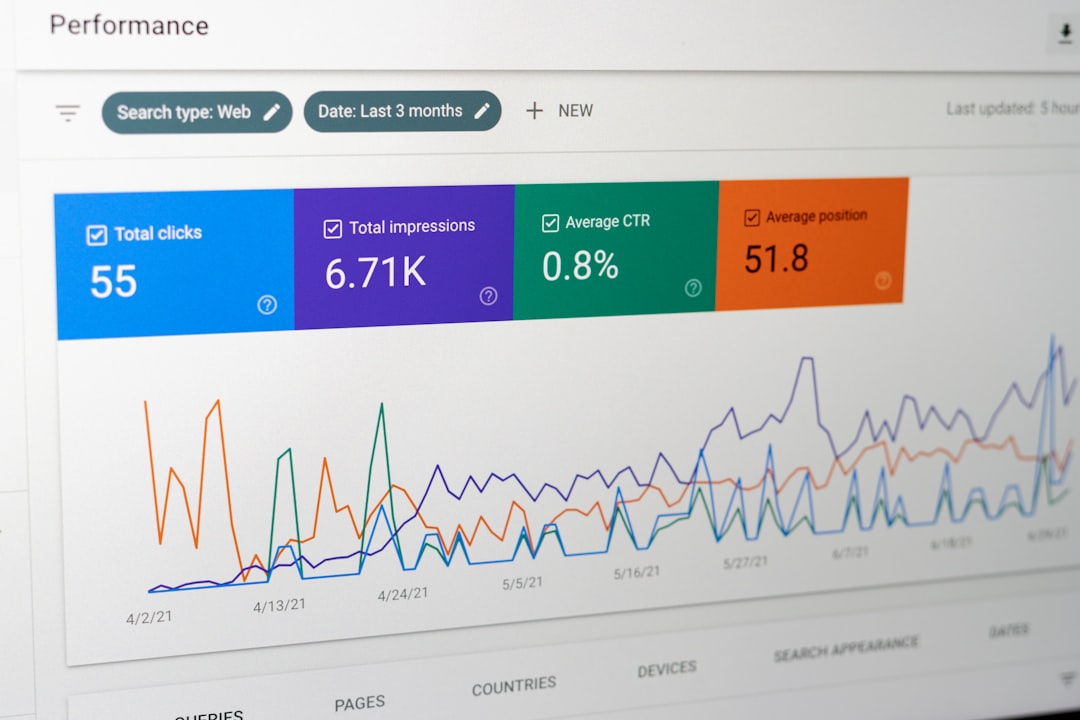
Measurement connects ad exposure to business outcomes. It sounds clean. It rarely is. People use several devices, reject cookies, buy days later, see ads across many channels, and may convert without clicking anything.
Most stacks use a mix of methods:
- Attribution: assigns credit to touchpoints such as views, clicks, emails, and searches.
- Conversion APIs: send server side events back to ad platforms for better matching.
- Incrementality tests: compare exposed and holdout groups to see what ads actually caused.
- Media mix modeling: estimates channel impact using spend, sales, seasonality, pricing, and external factors.
- Clean rooms: match datasets between advertisers and media owners without exposing raw user records.
Attribution is useful for daily steering, but it can overcredit channels that sit close to purchase. Incrementality is better for truth, but it takes planning and volume. Media mix modeling is strong for budget planning, but less helpful for picking tomorrow’s headline.
A practical measurement stack does not worship one number. It uses attribution for tactical signals, incrementality for causal proof, and finance data for reality checks. If platform dashboards report a 6.5 return on ad spend but total revenue is flat, something is wrong.
The hidden infrastructure: privacy, governance, and speed
Behind the shiny campaign screen sits the machinery that keeps the system lawful and stable. Consent management controls what data can be used. Data warehouses store events. Feature stores prepare model inputs. APIs move product, audience, and conversion data between systems.
Latency matters. If inventory data updates once a day, ads may promote sold out products. If conversion uploads lag by 18 hours, bidding models learn too slowly. If product margins are missing, the system may chase revenue that does not create profit.
Governance matters too. Teams need access controls, audit logs, naming standards, approval flows, and model monitoring. Without them, automation scales mistakes. A bad audience rule once wasted $500. In an automated stack, it can waste $50,000 before lunch.
What a strong AI ad stack looks like
A healthy setup has clean first party data, fast event flow, clear goals, and creative variety. It also has humans who question the machine. That last part matters. AI can spot patterns people miss, but it does not understand company strategy, legal risk, inventory pressure, or customer trust unless those rules are built in.
The best teams keep the system simple where possible:
- Define one primary goal per campaign.
- Send high quality server side conversion data.
- Use value signals, not just conversion counts.
- Refresh creative before fatigue crushes performance.
- Run holdout tests to check real lift.
- Watch profit, not only platform return metrics.
AI ad infrastructure works best when it is treated as an operating system for growth, not a slot machine. Feed it accurate data. Give it enough creative options. Set firm rules. Measure against real business outcomes. Then let automation do what it does well: make thousands of small decisions faster than a human team ever could.