


Digital merchandising is how your online store “sets the table.” It helps shoppers find products, feel excited, and click add to cart. Good digital merchandising is not magic. It is smart placement, clear messages, and a little bit of fun.
TLDR: Digital merchandising helps you show the right products to the right people at the right time. Use smart layouts, product badges, bundles, reviews, and personalized sections to guide shoppers. The goal is simple: make buying feel easy, fast, and exciting.
15 Digital Merchandising Examples That Increase Ecommerce Sales
Think of your ecommerce site as a real store. Your homepage is the front window. Your product pages are the shelves. Your checkout is the cash register. Every part should help shoppers move forward.
Here are 15 simple examples you can use to sell more online.
1. Personalized Product Recommendations
Show products based on what a shopper has viewed, bought, or searched for. This makes the store feel smart. It says, “Hey, we get you.”
For example, if someone views running shoes, show socks, shorts, and water bottles. Keep it useful. Do not show random stuff.
2. “Best Seller” Product Badges
People like products that other people already love. A Best Seller badge gives shoppers a quick reason to trust the item.
Use badges like:
- Best Seller
- Top Rated
- New Arrival
- Staff Pick
Badges should be clear and honest. Too many badges can feel noisy.

3. Smart Homepage Hero Sections
Your homepage hero is prime space. Do not waste it on a boring welcome message. Use it to show your best offer, newest collection, or seasonal sale.
Make the message short. Add one clear button. Try words like Shop New Arrivals or Get 20% Off Today.
4. Product Bundles
Bundles increase order value. They also make shopping easier. A customer does not need to hunt for matching items.
Examples include:
- A skincare routine kit
- A laptop plus case plus mouse
- A coffee machine plus pods
- A baby gift set
Add a small discount if possible. Even 10% can feel good.
5. “Complete the Look” Sections
This works very well for fashion, home decor, beauty, and fitness. Show related items that match the main product.
If a shopper views a dress, show shoes, earrings, and a bag. If they view a sofa, show cushions, lamps, and a rug.
You are not just selling one item. You are selling the full story.
6. Clear Product Filters
Filters help shoppers find what they want fast. This is key when you have many products.
Good filters include:
- Size
- Color
- Price
- Brand
- Material
- Rating
Keep filters simple. If shoppers feel lost, they leave.
7. Search Results That Actually Help
Site search is not just a search box. It is a sales tool. If someone searches for “black boots,” show black boots first. Not sandals. Not socks. Boots.
Add typo support too. If someone types “sneekers,” they should still find sneakers. Your search bar should be forgiving.
8. Social Proof Near the Buy Button
Reviews are powerful. Put star ratings and review counts near the product title or buy button. Do not hide them at the bottom.
Simple lines work well:
- 4.8 stars from 1,240 reviews
- Over 5,000 sold this month
- Loved by 98% of customers
Social proof lowers fear. It helps shoppers say yes.
9. Limited-Time Offers
Urgency can boost sales. But it must be real. Fake countdowns feel shady.
Use offers like:
- Sale ends tonight
- Free shipping this weekend
- Only 3 left in stock
When shoppers know time is short, they act faster.
10. Seasonal Collections
Seasonal merchandising keeps your store fresh. It also matches what shoppers already have in mind.
Create collections for holidays, weather, events, and trends. Think Summer Travel Picks, Back to School Basics, or Cozy Winter Favorites.
Seasonal pages make browsing feel fun. They also help shoppers discover products they did not search for.
11. Product Videos
Photos are great. Videos are better. A short video can show size, texture, fit, movement, and use.
Keep videos short. Show the product in action. If you sell a backpack, show the pockets. If you sell makeup, show the color on skin.
Let shoppers feel like they are holding the product.
12. Easy Comparison Tables
Some shoppers get stuck between choices. Help them compare. A table can make the answer clear.
Use comparison tables for products with different features, sizes, or prices. This works for electronics, plans, furniture, tools, and beauty kits.
Compare things like:
- Price
- Size
- Main features
- Best use
- Warranty
When choices feel easy, shoppers move faster.
13. Recently Viewed Products
People browse. Then they forget. Then they come back. A Recently Viewed section helps them pick up where they left off.
This small feature can recover lost interest. It is like saying, “Still thinking about this one?”
14. Cart Upsells
The cart is a great place to suggest useful extras. But be careful. Do not interrupt checkout too much.
Good cart upsells are low-cost and relevant. If someone buys shoes, offer socks. If they buy a camera, offer a memory card.
Use a simple button like Add to Cart. Make it quick.
15. Free Shipping Progress Bars
This one is simple and very effective. Show shoppers how close they are to free shipping.
For example: You are $12 away from free shipping!
This can push shoppers to add one more item. It feels like a mini game. They get a reward. You get a higher order value.
Quick Tips to Make These Ideas Work
Digital merchandising works best when it feels helpful, not pushy. Your store should guide shoppers. It should not shout at them.
Keep these tips in mind:
- Use clear words. Do not make shoppers guess.
- Show fewer choices. Too many options can freeze people.
- Keep pages fast. Slow pages kill sales.
- Test often. Try new badges, layouts, and offers.
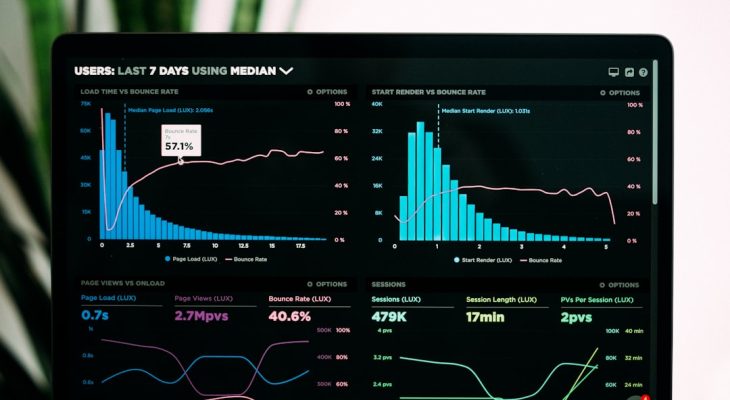
- Use real data. Watch what shoppers click and buy.
Final Thoughts
You do not need a giant team to improve digital merchandising. Start with one or two ideas. Add a badge. Create a bundle. Fix your filters. Show reviews near the button.
Small changes can make a big difference. The best ecommerce stores feel easy, helpful, and a little exciting. That is the real goal. Help shoppers find what they love. Then make it simple to buy.