


Western embroidery is more than decorative stitching—it is a visual language shaped by frontier life, ranch culture, rodeo traditions, and Indigenous artistry. Over generations, it has served as a marker of identity, resilience, and craftsmanship. Today, this enduring textile art is experiencing a resurgence, merging time-honored methods with contemporary design sensibilities. The result is a vibrant conversation between past and present, where tradition is preserved while innovation is embraced.
TLDR: Western embroidery blends historic frontier craftsmanship with contemporary fashion and design. Rooted in ranch wear, rodeo culture, and Indigenous influence, it has evolved from purely functional decoration to high-style statement art. Modern designers reinterpret classic motifs through new fabrics, technology, and sustainability practices. The tradition remains relevant because it honors heritage while adapting to modern aesthetics.
The Historical Roots of Western Embroidery
Western embroidery developed alongside the expansion of the American West in the 19th century. Practical needs intersected with cultural expression. Cowboys required durable clothing, yet garments were often personalized with stitched initials, floral scrollwork, or symbolic imagery. Immigrant groups, particularly from Mexico and Europe, brought with them rich embroidery traditions that heavily influenced Western motifs.
Early Western shirts became canvases for elaborate chain stitching and satin stitching. Decorative yokes, cuffs, and collars were not merely ornamental; they communicated regional pride and individuality. Rodeo performers and country musicians later amplified this aesthetic, transforming embroidered garments into showpieces.
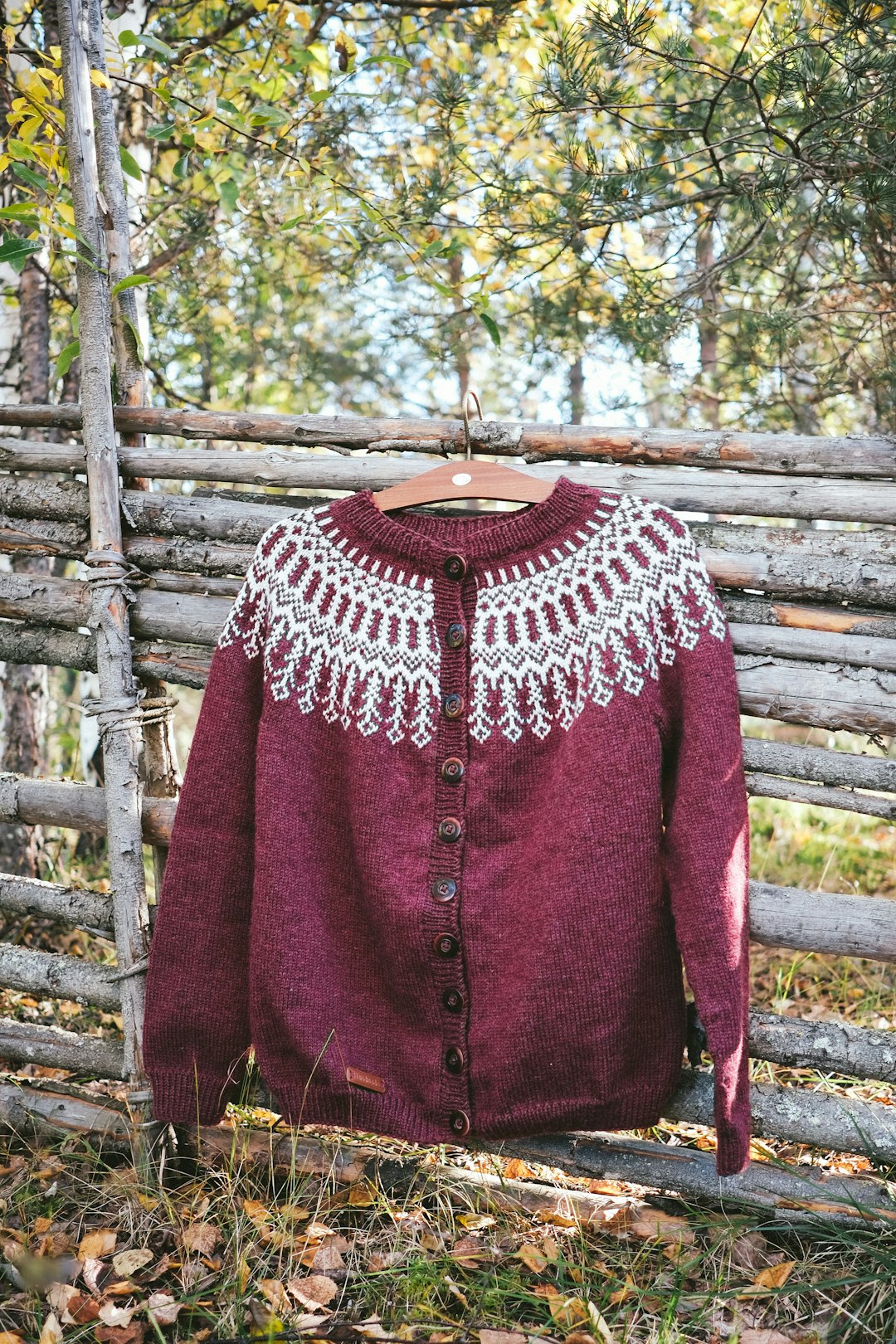
By the early 20th century, embroidery houses in cities like Denver and Dallas specialized in handcrafted Western wear. These garments featured:
- Floral scrollwork inspired by Victorian and Mexican designs
- Bold chain-stitched lettering for ranch names and rodeo sponsors
- Western iconography such as horseshoes, longhorns, and desert flora
- Contrasting piping and fabric inlays to emphasize structure
Each element contributed to a distinctive style that balanced function with flamboyance.
Core Techniques That Define the Tradition
Western embroidery relies on specialized stitching techniques that provide both texture and durability. While methods vary by region and artisan, several foundational techniques continue to define the craft:
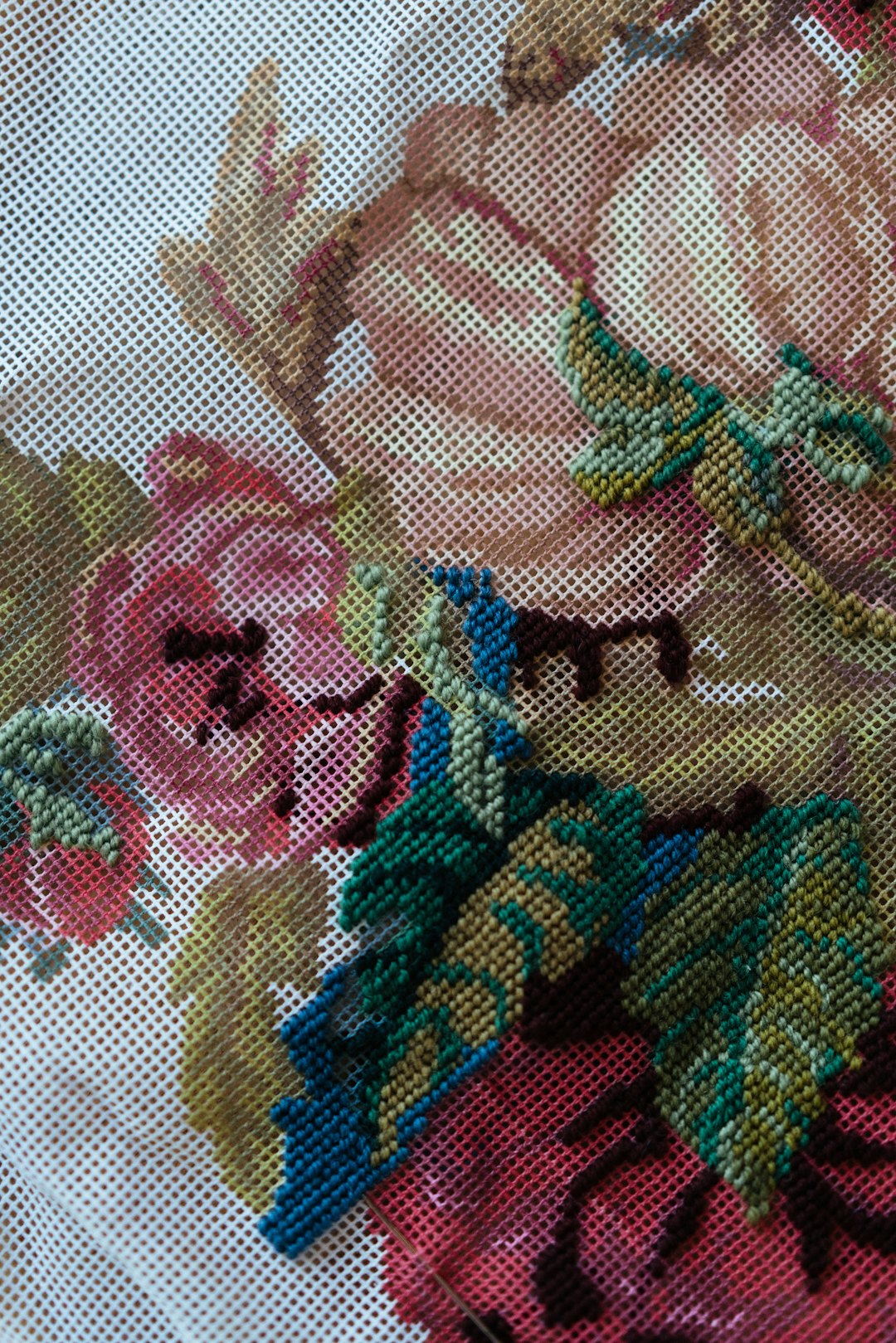
- Chain Stitch: Often executed with a single thread looped in a continuous pattern, creating flowing outlines and script lettering.
- Satin Stitch: Used to fill shapes, producing smooth, glossy blocks of color.
- Appliqué: Fabric pieces layered onto garments and secured with decorative stitching.
- French Knots: Small raised knots adding dimension, particularly in floral motifs.
Traditionally completed by hand, these techniques required precision and patience. The process demanded not only artistic ability but also technical mastery of tension, spacing, and thread weight.
Symbolism in Western Motifs
Western embroidery is deeply symbolic. Patterns often convey meaning beyond aesthetics. Common imagery includes:
- Roses and desert blooms symbolizing endurance and beauty in adversity
- Longhorn cattle representing ranch heritage and strength
- Eagles and horses signifying freedom and mobility
- Stars and geometric borders reflecting Western skies and landscape
These motifs are not random. They emerge from lived experiences shaped by the land, labor, and community of the American West. Indigenous beadwork and embroidery also profoundly influenced patterns and symbolism, contributing geometric precision and spiritual reverence to many designs.
The Transition Into Modern Style
In recent decades, Western embroidery has transcended its regional roots, appearing in high fashion runways, urban streetwear, and contemporary interior design. This shift is not accidental. Designers recognize the authenticity, texture, and narrative embedded in the craft.
Modern reinterpretations often feature:
- Minimalist Western motifs embroidered onto tailored jackets
- Monochromatic threadwork replacing traditional bright palettes
- Oversized back panel embroidery inspired by vintage rodeo shirts
- Mixed media combinations incorporating denim, leather, and silk
Rather than copying historical garments, contemporary designers distill their essence. They remove excess while preserving signature elements such as curved yokes or stylized florals.
The Role of Technology in Preservation and Innovation
Technology has undeniably transformed Western embroidery. Computerized embroidery machines now replicate intricate patterns with exceptional consistency. While some purists argue this diminishes handcrafted integrity, others contend that technology enables broader accessibility and experimentation.
Digital pattern software allows artists to:
- Scale and refine complex motifs
- Test thread density before production
- Create custom typography with Western flair
- Reduce material waste through precise mapping
Importantly, many modern artisans blend machine and hand techniques, preserving artisanal authenticity while benefiting from efficiency. The result is a hybrid practice that respects craftsmanship without rejecting innovation.
Western Embroidery in Contemporary Fashion
Luxury brands and independent designers alike have integrated Western embroidery into modern collections. Denim jackets adorned with tonal floral stitching appear alongside structured blazers featuring subtle Western panel detailing. Even accessories—boots, belts, handbags—carry embroidered embellishments that nod to heritage without overwhelming modern lines.
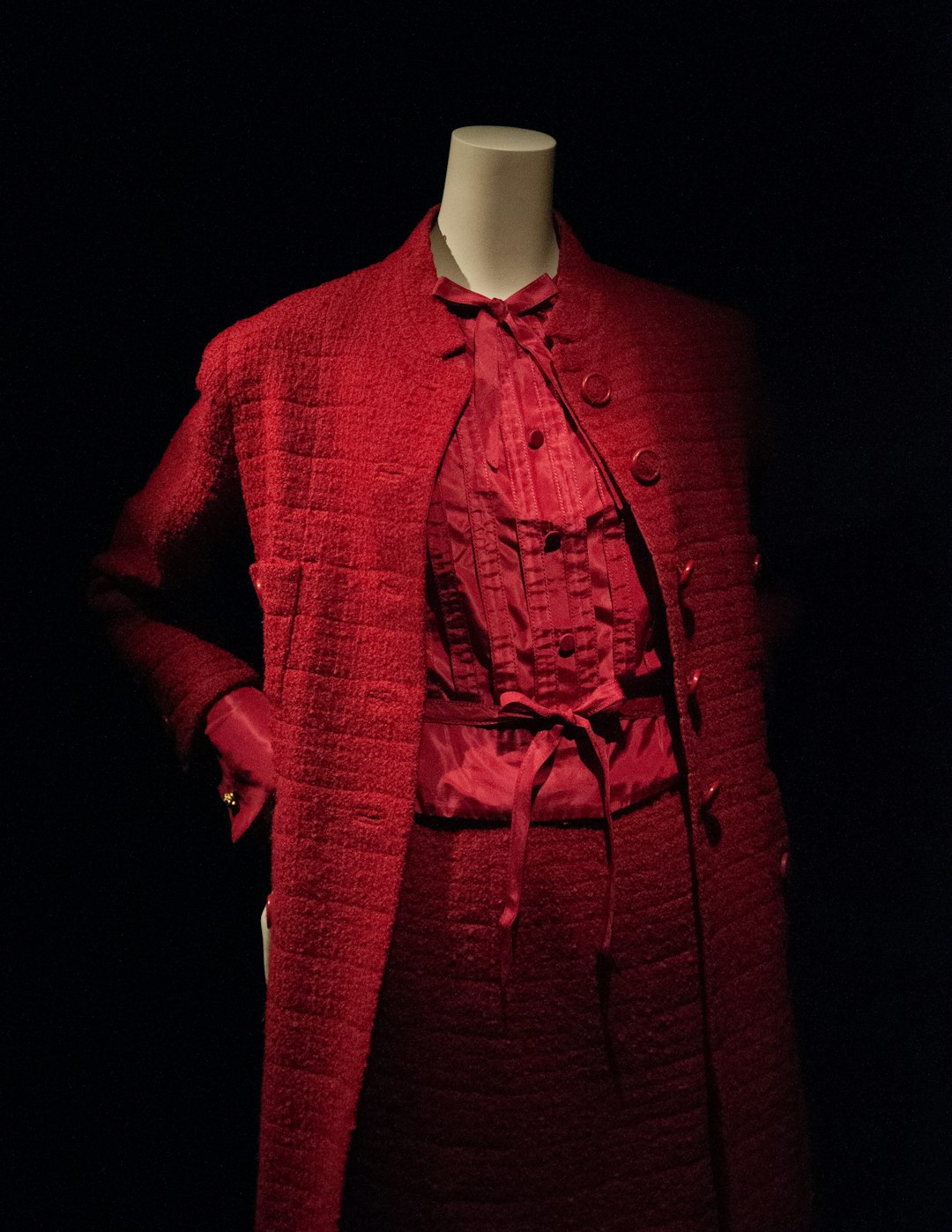
This resurgence aligns with broader cultural interest in authenticity and craftsmanship. Consumers increasingly seek garments that tell a story. Western embroidery answers that desire through visible, tactile artistry.
Notable contemporary trends include:
- Gender-neutral Western tailoring with subtle stitched accents
- Sustainable production using organic threads and recycled textiles
- Custom embroidery services emphasizing personal identity
- Revival of vintage Western shirts through restoration and resale markets
These developments demonstrate that the tradition adapts without losing its foundational identity.
Beyond Apparel: Interior and Artistic Applications
Western embroidery has expanded into home decor and fine art. Framed textile panels, embroidered pillows, and custom wall hangings reinterpret ranch imagery in sophisticated settings. Designers integrate Western motifs into modern interiors through muted palettes and abstracted forms.
For example, a contemporary living space may feature a linen wall tapestry stitched with oversized desert botanicals in subdued earth tones. The effect is refined rather than rustic.
Artists also experiment with scale, producing large embroidered installations that challenge the perception of textile as merely decorative. By enlarging cowboy iconography or floral scrollwork, they transform familiar symbols into conceptual commentary on heritage and identity.
Maintaining Authenticity in a Commercial Era
As Western embroidery gains popularity, concerns regarding cultural appropriation and mass production arise. Maintaining authenticity requires:
- Respecting Indigenous and regional origins
- Supporting skilled artisans rather than relying solely on automated production
- Providing transparent sourcing of materials and labor
- Documenting historical references in modern reinterpretations
Responsible designers acknowledge the multifaceted history of Western embroidery and collaborate with communities whose artistry shaped the tradition. This ethical awareness ensures that modernization does not erase historical context.
The Future of Western Embroidery
Looking forward, Western embroidery is positioned to thrive at the intersection of heritage and innovation. Sustainability initiatives encourage slower fashion cycles and handcrafted durability—values deeply aligned with traditional embroidery. Meanwhile, digital platforms allow artisans to share their work globally, connecting niche communities with broader audiences.
Emerging designers are also experimenting with:
- Augmented reality previews of custom embroidery designs
- Biodegradable threads that reduce environmental impact
- Cross cultural collaborations blending Western motifs with global textile traditions
These explorations suggest that Western embroidery will not remain static. It will continue to evolve, shaped by social consciousness, technical advancement, and artistic curiosity.
Conclusion
The art of Western embroidery stands as a testament to continuity and change. Rooted in frontier necessity and enriched by diverse cultural influences, it developed into one of the most recognizable textile traditions in American history. Today, it occupies runways, galleries, and homes while preserving its distinctive identity.
Its enduring appeal lies in its balance: disciplined technique paired with expressive ornamentation, historical reverence alongside stylistic reinvention. Western embroidery does not merely decorate fabric—it tells stories of land, labor, artistry, and aspiration. As long as those stories remain relevant, the tradition will continue to thrive, stitching together past and present in every carefully crafted thread.