



Modern businesses operate in an environment where customers expect personalized, timely, and seamless interactions across every channel. To meet these expectations at scale, organizations increasingly rely on marketing automation—technology that streamlines, automates, and measures marketing tasks and workflows. From email campaigns to lead nurturing and customer segmentation, marketing automation enables companies to deliver the right message to the right person at the right time, without manual effort at every step.
TLDR: Marketing automation is the use of software to automate marketing processes, personalize communication, and guide customers through optimized journeys. The best platforms combine data, analytics, and multichannel outreach to improve engagement and increase conversions. With well-designed strategies, businesses can scale personalization, align sales and marketing, and enhance customer experience. When implemented correctly, marketing automation transforms fragmented interactions into cohesive, revenue-generating journeys.
What Is Marketing Automation?
Marketing automation refers to the use of technology platforms and software to automate repetitive marketing tasks such as email campaigns, social media posting, ad management, lead scoring, and customer segmentation. More than simple automation, it integrates customer data, behavioral tracking, and analytics to create highly personalized experiences across multiple touchpoints.
Rather than sending the same generic message to every contact, marketing automation systems monitor how individuals interact with a website, emails, and other channels. Based on these behaviors, the system triggers specific responses—such as follow-up emails, targeted offers, or notifications to sales teams.
At its core, marketing automation focuses on three primary pillars:
- Efficiency: Automating repetitive tasks to save time and reduce human error.
- Personalization: Delivering relevant content based on user behavior and preferences.
- Measurement: Tracking metrics to refine strategies and optimize performance.
Why Marketing Automation Matters in Modern Business
Consumers today expect immediate responses and tailored communication. Businesses that fail to provide relevant messaging risk losing customers to competitors who can. Marketing automation bridges this gap by combining technology and strategy.
Key benefits include:
- Improved lead nurturing: Leads receive consistent communication that moves them through the funnel.
- Higher conversion rates: Targeted campaigns increase relevance and engagement.
- Better alignment between marketing and sales: Shared data improves collaboration.
- Data-driven decisions: Detailed analytics reveal what works and what does not.
- Scalability: Businesses can manage thousands or millions of interactions simultaneously.
Without automation, managing these processes manually becomes inefficient, inconsistent, and nearly impossible at scale.
Core Features of the Best Marketing Automation Platforms
Not all automation systems are created equal. The most powerful platforms combine usability, integration, and advanced features that support complex customer journeys.
1. Customer Segmentation and Targeting
Effective platforms enable businesses to categorize contacts based on demographics, behavior, purchase history, and engagement. Advanced segmentation ensures highly specific targeting, improving message relevance.
2. Lead Scoring
Lead scoring assigns numerical values to behaviors such as downloading content, visiting pricing pages, or opening emails. This helps sales teams prioritize prospects who are most likely to convert.
3. Workflow Automation
Workflow builders allow marketers to create automated sequences based on triggers and conditions. For example, if a user downloads an ebook, they might receive a series of educational emails over the next two weeks.

4. Multichannel Campaign Management
The best platforms integrate email, SMS, social media, push notifications, and paid ads into cohesive campaigns, ensuring consistent messaging across all touchpoints.
5. Analytics and Reporting
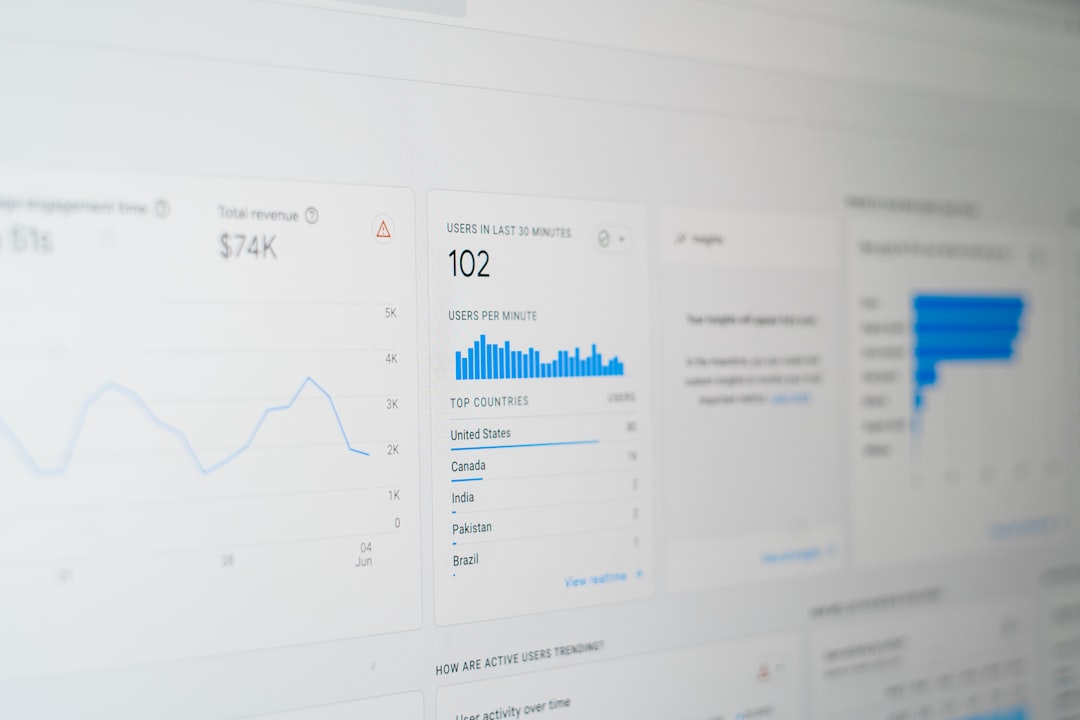
Robust reporting dashboards provide insights into open rates, click-through rates, conversion rates, revenue attribution, and customer lifetime value.
How Marketing Automation Transforms Customer Journeys
A customer journey represents every interaction a person has with a brand—from awareness to purchase and beyond. Marketing automation revolutionizes this journey by eliminating friction, enhancing personalization, and strengthening relationships.
Personalized First Impressions
During the awareness stage, prospects often encounter a business through ads, blog posts, or social media. Marketing automation captures data from these interactions and begins building individualized profiles. Instead of generic follow-ups, users receive tailored messages reflecting their specific interests.
Seamless Lead Nurturing
As prospects move into the consideration phase, automation nurtures them with targeted content—case studies, product comparisons, or testimonials—based on previous engagement. This steady flow of relevant information builds trust.
Intelligent Sales Handoff
When a lead reaches a predefined score, the system notifies sales representatives. Equipped with detailed behavioral insights, sales teams approach prospects with context and confidence.
Post-Purchase Engagement
Marketing automation does not end at conversion. Automated onboarding emails, satisfaction surveys, loyalty programs, and upsell campaigns maintain long-term relationships.
Strategies That Maximize Marketing Automation Success
Technology alone does not guarantee results. Successful automation requires thoughtful strategy and ongoing optimization.
Define Clear Objectives
Before implementing any platform, businesses should identify key goals: generating leads, increasing retention, improving conversion rates, or boosting upsells. Clear objectives guide automation design.
Map the Customer Journey
By outlining each stage—from awareness to advocacy—companies can identify key triggers and touchpoints suitable for automation.
Invest in Quality Content
Automation amplifies content but cannot replace it. High-value blog posts, emails, videos, and offers drive meaningful engagement.
Continuously Test and Optimize
A/B testing subject lines, call-to-action buttons, and workflows ensures maximum performance. Data-driven refinement is essential.
Maintain Data Hygiene
Accurate, up-to-date data ensures precise segmentation and targeting. Regular database cleaning prevents inefficiencies.
Common Challenges and How to Overcome Them
Despite its advantages, marketing automation presents challenges:
- Over-automation: Excessive automated messaging can feel impersonal. Balancing automation with human touchpoints is crucial.
- Poor integration: Disconnected tools limit data accuracy. Choosing platforms with strong integration capabilities solves this issue.
- Lack of strategy: Automating poorly designed campaigns only scales inefficiency.
- Insufficient training: Teams must understand how to leverage platform capabilities effectively.
Organizations that proactively address these issues experience smoother implementation and stronger results.
The Future of Marketing Automation
Artificial intelligence and machine learning continue to expand automation capabilities. Predictive analytics, advanced personalization engines, and conversational AI enhance accuracy and responsiveness.
In the coming years, marketing automation will likely focus on:
- Predictive engagement modeling
- Dynamic content personalization
- Voice and conversational marketing integration
- Deeper CRM and customer data platform integration
As customer expectations evolve, businesses that adopt intelligent automation strategies will remain competitive.
Conclusion
Marketing automation represents a powerful intersection of technology, data, and strategy. By automating repetitive tasks, personalizing communication, and guiding prospects through well-designed journeys, businesses can significantly enhance customer experiences and drive revenue growth.
The best platforms provide advanced segmentation, workflow builders, analytics, and multichannel capabilities. However, true transformation occurs when organizations combine these tools with strategic planning, high-quality content, and continuous optimization. In a digital-first world where attention spans are short and competition is fierce, marketing automation is no longer optional—it is essential for building meaningful, scalable customer relationships.
Frequently Asked Questions (FAQ)
-
1. What is the main purpose of marketing automation?
The primary purpose is to automate marketing tasks while delivering personalized experiences that guide customers through the buying journey and improve conversions. -
2. Is marketing automation only for large businesses?
No. While enterprise companies often use advanced systems, small and medium-sized businesses can benefit from scalable automation platforms tailored to their needs. -
3. How does marketing automation improve lead generation?
It captures user data, segments audiences, and delivers targeted campaigns, increasing engagement and identifying high-quality leads through lead scoring. -
4. Does marketing automation replace human marketers?
No. It enhances efficiency by automating repetitive tasks, but strategy, creativity, and relationship-building still require human input. -
5. How long does it take to see results from marketing automation?
Results vary depending on strategy and implementation, but many businesses see measurable improvements in engagement and conversions within a few months. -
6. What should businesses look for in a marketing automation platform?
Key features include segmentation, workflow automation, lead scoring, analytics, multichannel support, and strong integration with existing systems.