


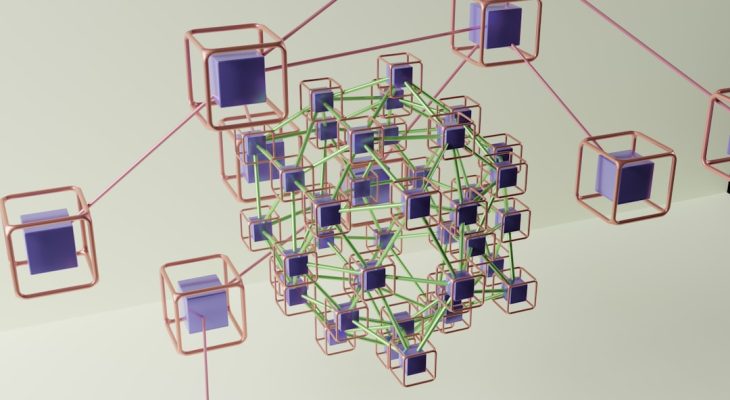
Traditional mind mapping has long been a popular technique for brainstorming, organizing ideas, and visualizing relationships. However, as projects grow more complex and information becomes increasingly interconnected, linear and radial mind maps often struggle to keep up. Knowledge graphs offer a more dynamic, multidimensional alternative. They allow users to model relationships between ideas, documents, people, and processes in a way that mirrors how knowledge actually evolves—non‑linear, contextual, and continuously expanding.
TLDR: Traditional mind maps are useful but limited when dealing with complex, evolving information. Knowledge graph tools such as TheBrain, Obsidian, Roam Research, Logseq, Heptabase, and Kumu provide more flexible and context-rich ways to organize ideas. These platforms enable bidirectional linking, dynamic relationships, and scalable knowledge structures. For professionals, researchers, and teams handling large volumes of interconnected data, knowledge graphs represent a powerful upgrade.
Unlike mind maps, which typically revolve around a central node with branches, knowledge graphs allow every node to connect with any other node. This network-based approach reflects real-world thinking more accurately and avoids hierarchy constraints. Below are six of the most capable tools available today for replacing traditional mind mapping with knowledge graph systems.
1. TheBrain
TheBrain is often considered the benchmark for personal knowledge graph software. Rather than presenting a fixed diagram, it creates a dynamic visual interface where each node—called a “Thought”—can connect to multiple parents, children, and siblings simultaneously.
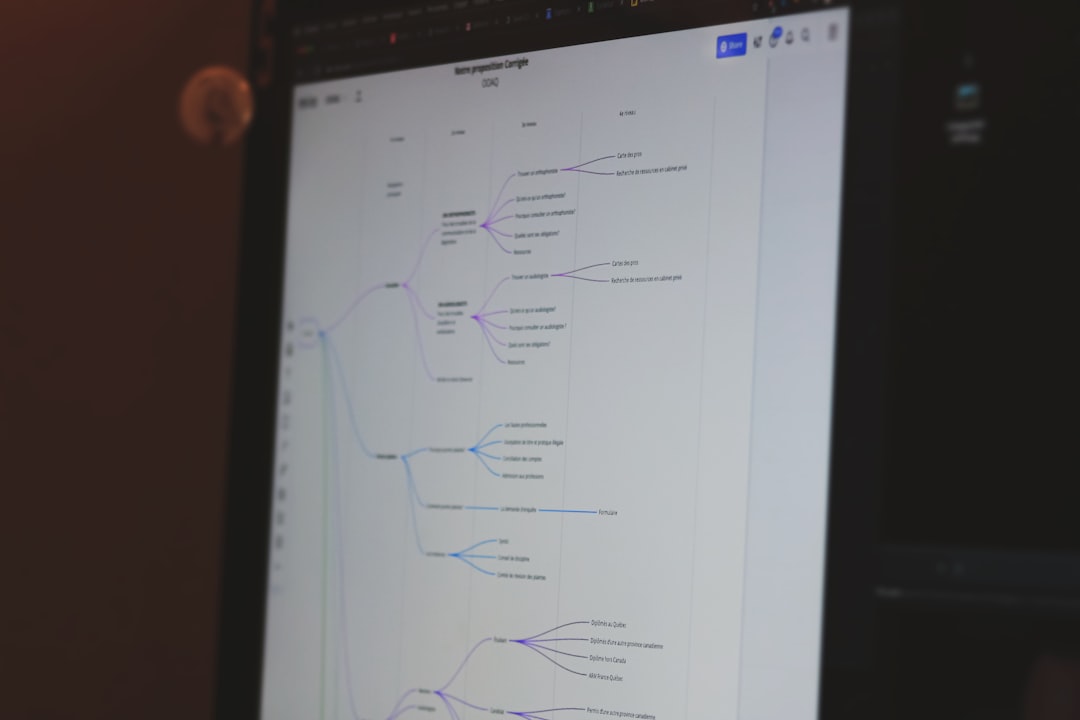
What makes TheBrain particularly compelling is its fluid navigation. When you focus on a single Thought, the interface re-centers dynamically, showing its relationships without overwhelming you with the entire network. This maintains clarity even when the database contains tens of thousands of interconnected items.
- Strengths: Dynamic navigation, powerful linking, file attachments, enterprise-grade performance.
- Best for: Professionals managing complex research, legal cases, strategic planning, or long-term knowledge bases.
- Limitation: The interface may require time to master.
TheBrain moves far beyond traditional mind maps by enabling multidimensional relationships and contextual exploration rather than static diagrams.
2. Obsidian
Obsidian has rapidly become a favorite among researchers, writers, and developers. At its core, it is a markdown-based note-taking application, but its graph view transforms linked notes into a living knowledge network.
Every note can link to any other note, creating bidirectional relationships automatically. Over time, clusters and patterns form organically. Unlike rigid mind mapping tools, Obsidian allows you to build knowledge incrementally without predefined structures.
- Strengths: Local file storage, robust plugin ecosystem, customizable graph visualization.
- Best for: Writers, academics, and PKM (Personal Knowledge Management) enthusiasts.
- Limitation: Requires deliberate linking habits to unlock full potential.
Obsidian’s graph view visually demonstrates how ideas relate across projects, enabling deeper insight than conventional radial diagrams.
3. Roam Research
Roam Research pioneered mainstream interest in networked note-taking. Its defining feature is effortless bidirectional linking: whenever you reference another page, that page automatically records the backlink.
This functionality creates an interconnected system where relationships emerge naturally. Over time, the database behaves less like a notebook and more like a personal knowledge graph.
- Strengths: Frictionless linking, daily notes workflow, strong community methodology.
- Best for: Researchers, strategists, and thinkers who value associative thinking.
- Limitation: Web-based performance can slow with very large datasets.
Roam transcends mind mapping by eliminating rigid structural planning. Instead, it rewards consistent, small connections that evolve into a richly woven intellectual network.
4. Logseq
Logseq is an open-source alternative built on similar principles to Roam but with greater control over data ownership. It supports both outline-based workflows and graph-based visualization.
Because Logseq stores content locally, it appeals to users concerned about privacy and long-term access. Its graph view highlights relationships between pages and blocks of text, allowing insight into both macro- and micro-level knowledge structures.
- Strengths: Open source, local-first storage, block-level references.
- Best for: Technically inclined users or teams wanting transparency and flexibility.
- Limitation: Interface can feel less polished than commercial competitors.
Logseq offers a strong bridge between structured outlining and flexible knowledge graph modeling, replacing static mind maps with living idea ecosystems.
5. Heptabase
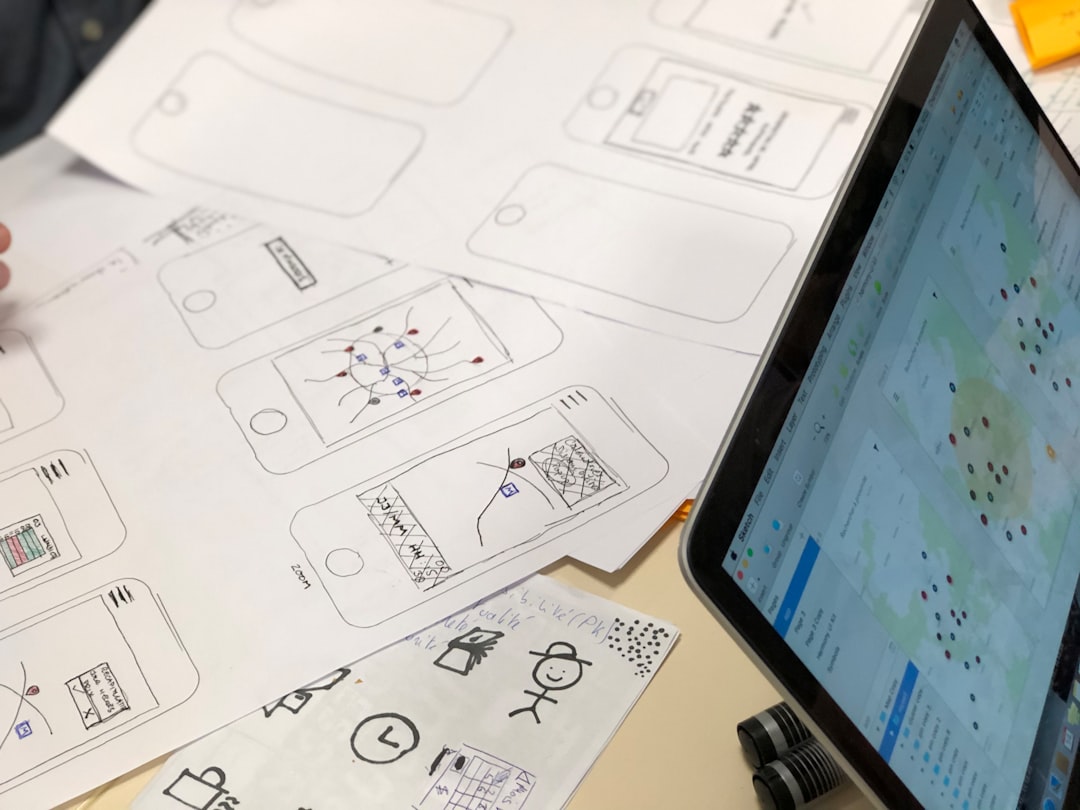
Heptabase differentiates itself by combining spatial whiteboarding with knowledge graph principles. Users can visually arrange cards across a canvas, linking them to reflect conceptual relationships.
This makes Heptabase particularly effective for visual thinkers who need both spatial organization and relational data modeling.
- Strengths: Spatial layout plus relational linking, intuitive visual interface.
- Best for: Students, visual learners, and strategic planners.
- Limitation: More focused on visual projects than massive databases.
Unlike traditional mind maps that lock you into a branching hierarchy, Heptabase allows clusters, cross-links, and layered perspectives, closely mirroring complex cognitive processes.
6. Kumu
Kumu is a professional-grade relationship mapping and systems visualization platform. While it is often used for organizational mapping and stakeholder analysis, its underlying structure is a robust knowledge graph engine.
Kumu excels at representing systems with many entities and intricate relationships. Users can apply filters, perspectives, and custom views to analyze patterns and dependencies.
- Strengths: Advanced visualization, system mapping, collaboration features.
- Best for: Consultants, policy analysts, researchers, and strategy teams.
- Limitation: More complex than typical personal knowledge tools.
If mind mapping feels too simplistic for mapping ecosystems, institutions, or research networks, Kumu provides a scalable alternative grounded in graph theory.
Why Knowledge Graphs Surpass Traditional Mind Mapping
To understand why these tools are transformative, it is important to recognize the structural limits of traditional mind maps:
- They enforce a central hub.
- They assume hierarchical relationships.
- They struggle with cross-connections.
- They become visually cluttered at scale.
Knowledge graphs address each of these limitations. They are non-hierarchical, allowing any node to connect to any other. They enable bidirectional linking, ensuring context is never lost. And most importantly, they scale efficiently as information grows.
In professional environments—legal research, product development, academic scholarship, or enterprise knowledge management—the need for contextual relationships outweighs the simplicity of radial diagrams.
Choosing the Right Tool
Selection depends largely on your use case:
- If you require enterprise-grade robustness, TheBrain or Kumu are excellent options.
- For personal knowledge management and writing, Obsidian and Roam are highly effective.
- If privacy and open-source transparency matter, Logseq stands out.
- For visual spatial thinkers, Heptabase offers an intuitive canvas-based system.
Before transitioning, consider how you currently use mind maps. Are you brainstorming temporarily, or building a long-term body of knowledge? Knowledge graphs are particularly powerful when information must accumulate and maintain relational meaning over time.
Final Thoughts
The shift from traditional mind mapping to knowledge graphs represents more than a tool upgrade—it reflects an evolution in how we structure thought. Modern work demands adaptability, depth, and interconnectedness. Static, hierarchical diagrams often limit insight when complexity increases.
TheBrain, Obsidian, Roam Research, Logseq, Heptabase, and Kumu each demonstrate how knowledge graphs can replace and significantly outperform traditional mind maps. By embracing non-linear thinking and dynamic relationships, these platforms help individuals and organizations navigate complexity with clarity and precision.
For serious thinkers, researchers, and decision-makers, knowledge graphs are no longer optional—they are foundational.





)