

Embarking on the sacred journey of Umrah is a deeply spiritual endeavor for Muslims around the world. For individuals and families planning to travel from the UK, managing finances and creating a realistic budget is essential to ensure a smooth and worry-free pilgrimage. While the cost of Umrah can vary significantly based on timing, accommodation, flights, and personal preferences, careful planning can help reduce financial strain and maximize the overall experience.
TLDR (Too long, didn’t read)
If you’re planning an Umrah trip from the UK, creating a budget early will help prevent overspending. Book flights and accommodation well in advance, travel during off-peak seasons, and consider group packages for better deals. Use price comparison tools and be aware of additional costs like visas and transport. Prioritize essentials and allocate funds accordingly to enjoy a spiritual and financially manageable journey.
Understanding the Costs Involved
To efficiently budget for Umrah, it’s vital to know the core components that contribute to the overall cost. These include:
- Flights: Prices vary significantly depending on the season. Peak periods include Ramadan, Islamic holidays, and school breaks in the UK.
- Visa and Processing Fees: Travellers from the UK need an Umrah visa, which may be included in some packages, but fees can also apply separately.
- Accommodation: Ranges from budget hotels to luxury suites near the Haram in Makkah and Madinah.
- Transportation: Between cities (Makkah, Madinah, Jeddah) and local transit.
- Food and Daily Expenses: Eating out, groceries, and other essentials.
- Extras: Travel insurance, mobile sim cards, souvenirs, and emergency funds.
1. Start Budgeting Early
The earlier the planning begins, the better the financial control. Setting aside a small amount monthly, even a year in advance, can ease the overall burden on your bank account. Creating a dedicated Umrah fund in a savings account or digital saving platform can help keep funds separate and growing.
2. Choose the Right Time to Travel
Timing plays a crucial role in your overall budget. Prices for flights and accommodation peak during Ramadan, December holidays, and the Hajj/Umrah season. Opting to travel during off-peak months like January (post-holiday season) or September can drastically cut costs while still allowing a spiritually fulfilling experience.
Pro Tip: Consider the weather in Saudi Arabia during different times of the year; cooler months allow for more comfortable ibadah without the peak-season price tag.
3. Book Flights Strategically
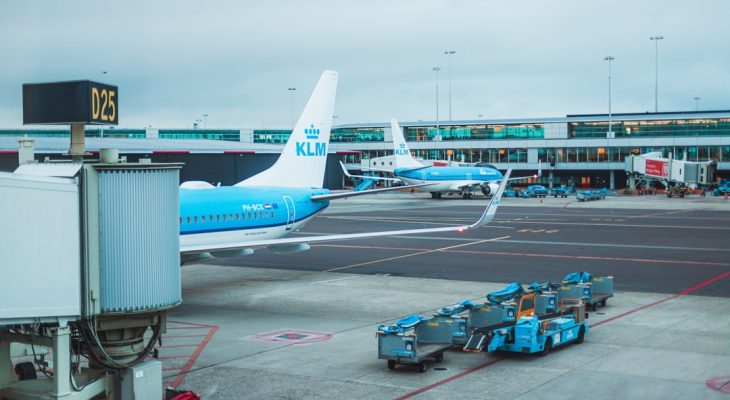
International flights make up one of the largest portions of your Umrah budget. To save:
- Use flight comparison websites like Skyscanner or Google Flights to monitor prices.
- Set up price alerts to get notified when there’s a drop.
- Be flexible with your departure and return dates.
- Consider flying from alternative airports (e.g., Manchester or Birmingham) if they offer lower fares.
4. Go for a Group Package or DIY?
There are two main ways to approach your Umrah trip: purchasing a group package through an agency or organizing everything on your own. Each option has benefits:
- Group Packages: May include visa, flight, accommodation, and transportation. Good for first-timers or those who prefer convenience.
- DIY: Offers more flexibility to customize your itinerary and potentially reduce costs. However, it requires more research and planning.
Tip: If it’s your first Umrah journey, working with a reputable travel agency can reduce stress and offer better assurance of logistics.
5. Accommodation: Luxury vs. Location
Hotels closer to the Haram generally cost more, especially during busy seasons. Evaluate what’s more important: convenience or savings.
- Budget Hotels: Often located further away but more cost-effective. Many provide shuttle services to the Holy Mosque.
- Mid-Range Options: Offer a balance between comfort and affordability.
- Luxury Hotels: Suitable for those prioritizing comfort and proximity with less concern about cost.
Booking early, as soon as your travel dates are confirmed, gives you access to better pricing and a wider selection of rooms.
6. Plan for Internal Transportation
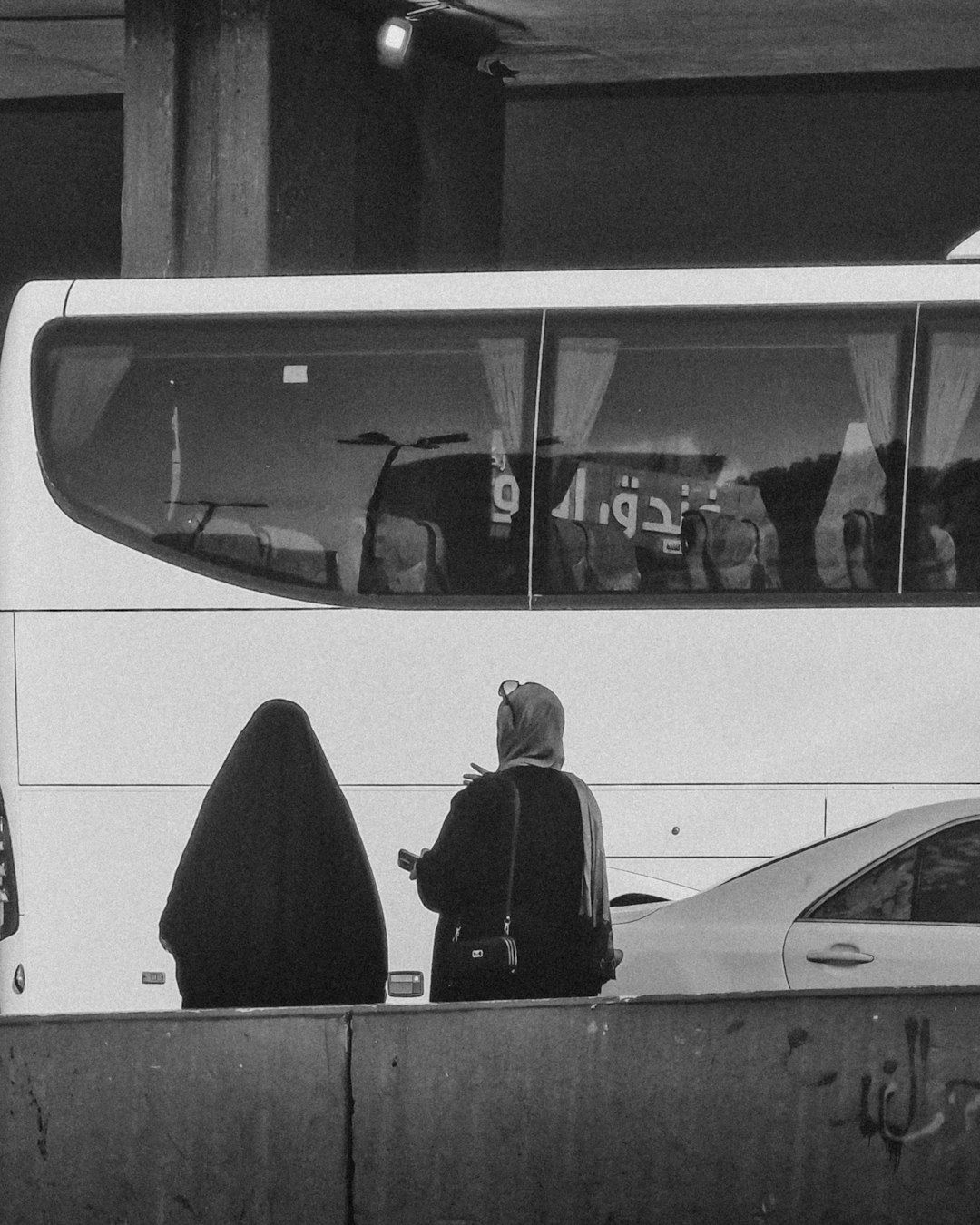
Travelling between Jeddah, Makkah, and Madinah can be done by bus, taxi, private car hire, or the high-speed train. Budget-conscious travellers might choose buses, while the Haramain High-Speed Railway offers a faster and still-affordable option.
7. Budget for Meals and Daily Expenses
Food is generally affordable in Saudi Arabia, especially if you eat where the locals eat. Many hotels offer complimentary breakfasts, so take advantage of that. Consider:
- Dining in local eateries instead of hotel restaurants.
- Buying fresh fruits and snacks from local markets.
- Avoiding high-end tourist restaurants unless budget allows.
Also budget for toiletries, laundry, phone sims, and minor personal items you might need during the trip.
8. Account for Additional Costs
Don’t forget to include the less obvious but important expenses in your Umrah budget:
- Travel Insurance: Ensure it covers international travel with medical protection.
- Vaccinations: Meningitis and possibly COVID-19 or flu vaccinations may be required.
- Mobile SIM or Roaming: Prepaid local SIM cards are often cheaper than UK roaming plans.
- Spending Money: Souvenirs, gifts for family and charitable donations should also be budgeted.
9. Save Using Loyalty and Cashback
Several travel expenses can be minimized using rewards programs and cashback offers:
- Use airline reward points if you have them.
- Pay for flights and hotels using cashback credit cards (ensure full repayment to avoid interest).
- Register on websites that offer cashback on bookings, such as TopCashback or Quidco.
10. Create a Tracking Spreadsheet
Use a simple spreadsheet or a budgeting app to track all planned and actual spending. Categorize your expenditures (e.g., flights, hotels, food, shopping) to see where your money is going. This can also be helpful for future Umrah or Hajj planning.
Conclusion
Planning Umrah from the UK requires both spiritual intent and financial foresight. With careful research, early preparation, and strategic spending, pilgrims can fulfill their religious obligation without undergoing undue financial stress. Whether it’s a first-time trip or a returning visit, a well-planned budget ensures a more meaningful and worry-free experience.
FAQs
- Q1: How much does Umrah typically cost from the UK?
A: The average cost can range from £800 to £2,500 per person, depending on the duration, travel season, accommodation type, and package choice. - Q2: Do I need a visa for Umrah from the UK?
A: Yes, UK passport holders require an Umrah visa, which can be obtained through agents or as part of a package deal. - Q3: What’s the cheapest month to perform Umrah?
A: Off-peak months such as January, mid-May to late June, or September generally have lower costs due to reduced demand. - Q4: Can I plan Umrah on my own without a travel agent?
A: Yes, independent planning is possible and can save money, but it requires more time, research, and familiarity with Saudi travel requirements. - Q5: Are group packages always cheaper?
A: Not necessarily. While group packages offer convenience, DIY trips can be more affordable depending on your preferences and travel flexibility.