


In an era where digital presence matters, the humble business card remains a timeless tool for entrepreneurs to make a memorable first impression. Whether at networking events, coffee shop meetings, or chance encounters, a well-designed business card instantly communicates professionalism and strengthens personal branding. But creating the perfect card doesn’t have to be a chore — not with today’s range of intuitive and customizable business card makers.
TLDR: Best Business Card Makers for Entrepreneurs
Modern entrepreneurs have access to various online platforms to design attractive, personalized business cards quickly. Top contenders like Canva, Vistaprint, and Moo offer intuitive interfaces, customizable templates, and professional printing services, making them ideal for startups and small business owners alike. Depending on whether you prioritize design flexibility, eco-conscious printing, or affordability, there’s a business card maker to meet your needs. Here’s a breakdown of the best platforms to consider when crafting your professional calling card.
1. Canva – Best for Easy Customization
Ideal for beginners and creatives alike, Canva’s drag-and-drop editor makes designing a breeze. It offers an abundant library of templates tailored for various industries, which users can modify with custom colors, fonts, logos, and images. Canva supports cloud-based saving and real-time collaboration, which is especially useful for team-based design efforts.
- Pros: Free account option, user-friendly interface, extensive template library
- Cons: Premium templates and printing require a paid plan or additional cost
Whether you’re looking to keep things minimal or go bold with your brand colors, Canva gives you total control over your card design with very little learning curve. It also allows direct ordering of prints once the design is complete, adding a layer of convenience.

2. Vistaprint – Best for Professional Printing
Vistaprint has long stood as a giant in the printing space, and it remains a top choice for entrepreneurs who prioritize quality and consistency. While it offers its own online design tools, one of Vistaprint’s biggest strengths lies in the hundreds of professional templates it has for nearly every profession.
- Pros: Reliable printing, affordable bulk options, design services available
- Cons: Lesser design flexibility compared to purely digital platforms
In addition to standard paper offerings, Vistaprint provides options like matte, glossy, soft-touch, and even recycled materials. The platform is particularly suitable for entrepreneurs who want to tie business card printing into a broader range of branded merchandise like brochures, signage, and packaging.
3. Moo – Best for Premium, Unique Designs
If standing out is the goal, Moo offers a premium solution with a high-end aesthetic. Known for its clean and bold template designs and exceptional print quality, Moo allows entrepreneurs to upload unique artwork for each card in a single pack — a great feature for creatives, consultants, or anyone in a visually-driven field.
- Pros: High-quality materials, unique print options, double-sided designs
- Cons: On the pricier side, longer delivery times
Moo’s flagship “Printfinity” feature lets users showcase a different image or information on every card in their order, making it easy to personalize and impress. While not the most cost-effective for every entrepreneur, Moo is highly recommended for those willing to invest in distinct, memorable business cards.
4. Zazzle – Best for Artistic Freedom
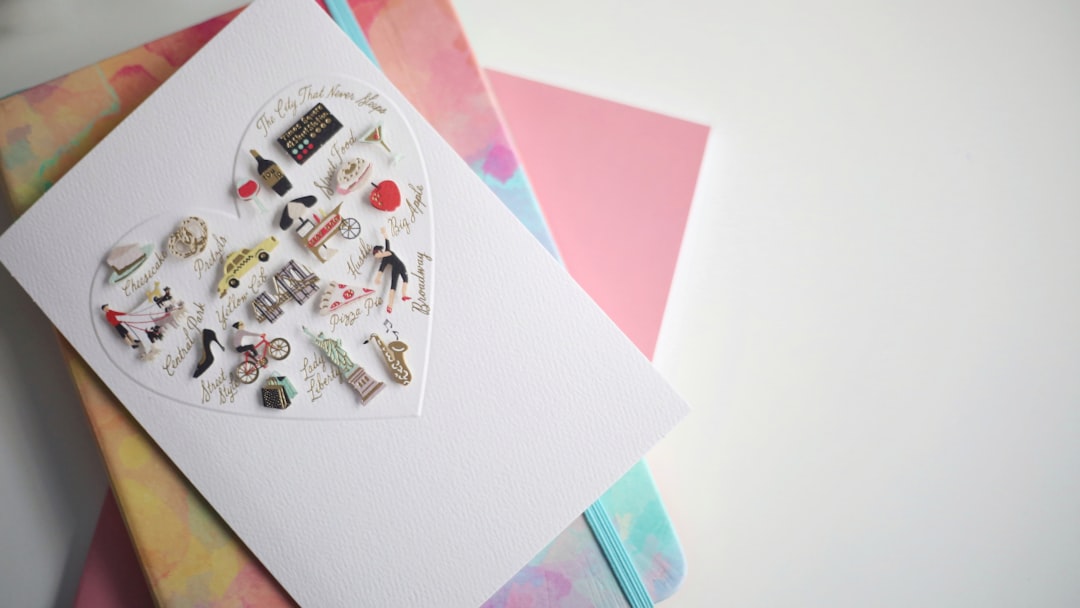
Entrepreneurs with a flair for design will appreciate the artistic flexibility that Zazzle offers. While it’s widely known for custom merchandise, Zazzle’s business card printing capabilities are robust and feature thousands of community-submitted templates to choose from.
- Pros: Extensive design options, artistic templates, creative freedom
- Cons: User interface can be overwhelming for beginners
Zazzle also features niche styles such as vintage, artsy, or minimalist aesthetics that cater to less conventional ventures. Entrepreneurs can collaborate with independent artists on the platform or upload completely original designs for printing.
5. Adobe Express – Best for Brand Integration
Adobe Express (formerly Adobe Spark) is geared toward entrepreneurs already familiar with Adobe’s creative suite. The platform combines professional-grade customizability with ease of use and allows for niche styles and polished typography.
- Pros: Great branding integration, useful tools for Adobe users, professional finish
- Cons: Might be overkill for simple cards, premium features behind a paywall
Adobe Express is especially useful for entrepreneurs looking to maintain brand consistency across social media, presentations, and printed materials because of its seamless syncing with other Adobe tools like Photoshop and Illustrator.
6. Business Card Maker by Shopify – Best for E-commerce Entrepreneurs
Shopify offers a free, no-frills business card maker that’s perfect for e-commerce store owners and entrepreneurs looking for a quick solution. Although basic, it covers the essentials like company name, logo, contact info, and professional templates.
- Pros: Free to use, integrates with e-commerce branding
- Cons: Limited design functionality, no advanced graphics
This tool is straightforward and relies on prebuilt templates, making it ideal for bootstrappers or those launching online businesses who just need a decent-looking card in minimal time.
Conclusion: Choosing the Right Business Card Maker
Selecting the best business card maker depends largely on your business needs, budget, and design skills. Entrepreneurs seeking high-end presentation should lean toward Moo, while bootstrappers might find Canva or Shopify’s offering sufficient. For those looking to align their card with broader marketing material, Vistaprint is a trustworthy and traditional choice.
Ultimately, a great business card isn’t just about aesthetics — it’s about creating a tactile extension of your brand and values. Don’t hesitate to experiment with several tools and samples until you land on a style that authentically represents your entrepreneurial spirit.
Frequently Asked Questions
- What information should I include on my business card?
Typically, your name, job title, company name, phone number, email, and website are essential. Including a logo and a tagline can further enforce your brand identity. - Is it better to create business cards online or use a graphic designer?
Online tools are cost-effective and fast, especially for startups. However, hiring a graphic designer may be worthwhile for personalized branding or intricate designs. - How many business cards should I order?
Entrepreneurs should start with a batch of 100–250 cards to test out design and distribution. Once you’re confident in the format, you can scale up to 500 or more. - Are digital business cards a good alternative?
Digital cards are useful in tech-savvy environments or remote networking; however, physical cards are still valued for their personal touch in in-person encounters. - Which paper finish should I choose?
Matte offers a clean, glare-free look, while glossy provides vibrancy. Soft-touch has a luxurious feel. Choose based on the image you wish to portray.