


Urban planning in the 21st century is driven by data—specifically spatial data that helps professionals visualize, analyze, and forecast urban growth, land use patterns, infrastructure needs, and social dynamics. Whether it’s planning for transit-oriented development, disaster risk mitigation, or equitable housing, having access to accurate, structured geographic data is key. Fortunately, a number of powerful tools exist to help urban planners access and analyze public government datasets. This article outlines the top four tools urban planners rely on to bulk-download geospatial data in formats like GeoJSON and Shapefiles, ready for integration with GIS tools such as QGIS or ArcGIS.
TL;DR
Urban planners require robust access to spatial datasets for analysis and decision-making. Tools like Data.gov, USGS EarthExplorer, OpenStreetMap via Geofabrik, and Copernicus Open Access Hub allow users to download public data in bulk, often in GeoJSON and Shapefile formats. These platforms support large-scale spatial planning by offering standardized, open-access government and satellite data. If you’re involved in city planning, transportation design, or environmental monitoring, these resources are indispensable.
1. Data.gov: The U.S. Government’s Primary Open Data Portal
Overview: Data.gov is the U.S. federal government’s flagship open data platform that aggregates over 250,000 datasets across federal, state, and municipal levels. It spans multiple domains such as housing, transportation, climate, and demographics.
Why It’s Useful:
- Offers bulk download options in multiple formats including GeoJSON, CSV, Shapefile, and KML.
- Integrates with APIs for developers needing dynamic access to datasets.
- Data quality is typically high due to federal standards and frequent updates.
Common Use Cases: Urban zoning analysis, public transportation assessments, environmental impact studies.
Tip: Use search filters to quickly locate datasets by location, format, or publisher. Many shapefiles come embedded with metadata that improves integration with GIS software.

2. USGS EarthExplorer: High-Quality Satellite Imagery & Geospatial Layers
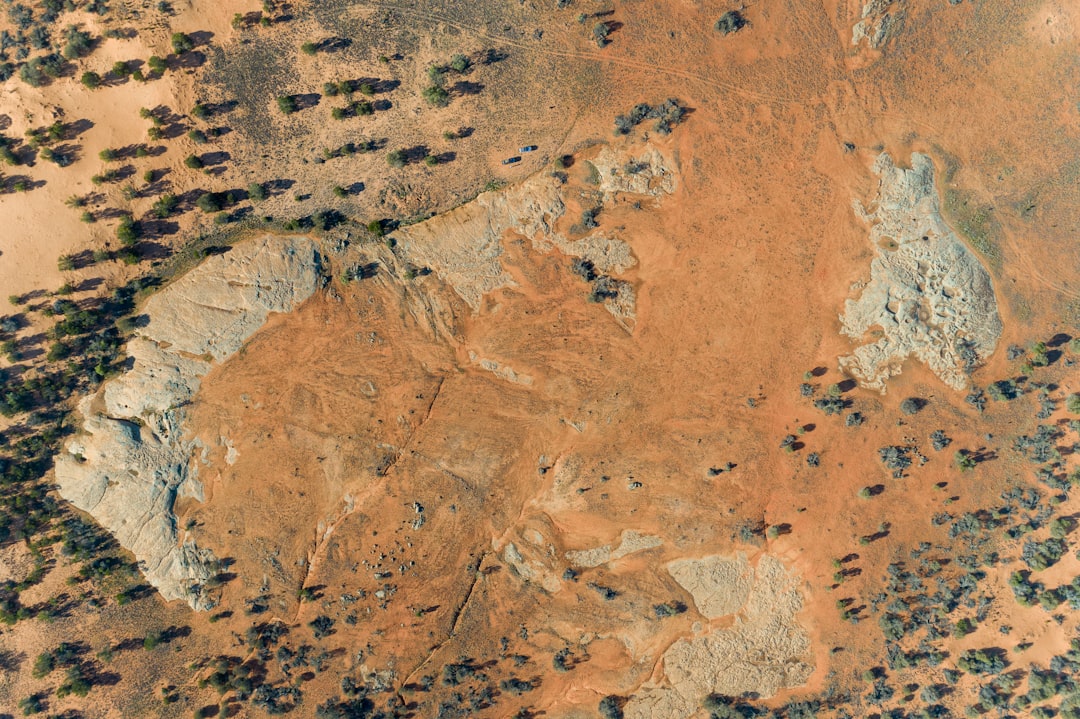
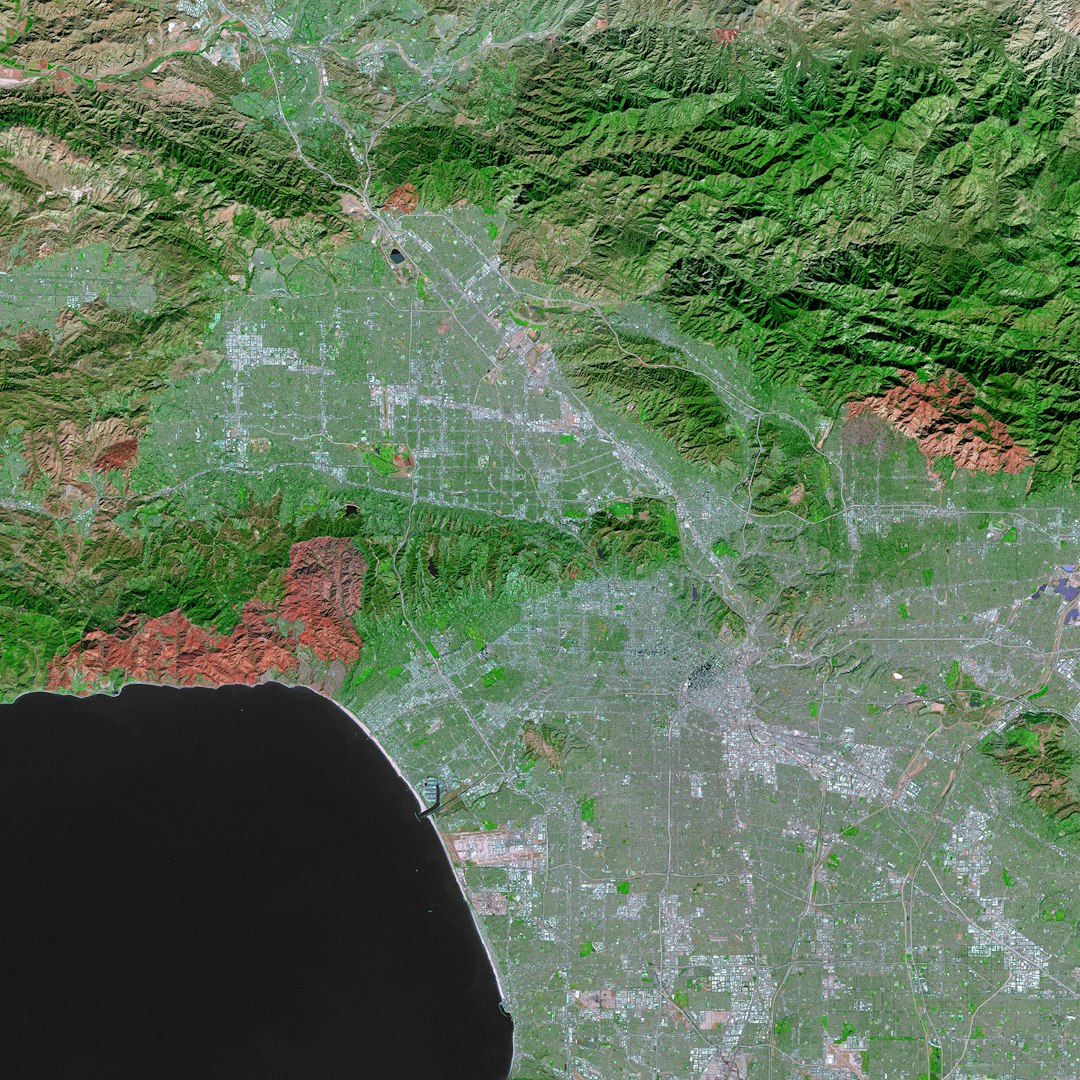
Overview: The USGS EarthExplorer offers users access to a massive archive of satellite images, including Landsat, MODIS, and high-resolution digital elevation models (DEMs). Over time, it has become one of the most trusted sources for topography and imagery data that inform land-use planning and environmental assessment.
Why It’s Useful:
- Supports bulk export and batch downloads of raster and vector layers.
- Filters allow users to narrow results by sensor type, acquisition date, and geographic coordinates.
- Includes critical datasets like National Land Cover Database (NLCD) and 3D Elevation Program (3DEP).
Common Use Cases: Floodplain mapping, terrain modeling, urban sprawl detection, land cover classification.
Tip: Register for a free USGS account to access additional datasets and enhance download capabilities. Export data in GeoTIFF and then convert to Shapefile using GIS software for layered analysis.
3. OpenStreetMap via Geofabrik: Community-Curated GIS Data at Scale
Overview: Geofabrik allows users to download OpenStreetMap (OSM) extracts by continent, country, or region. It is especially valuable for accessing street networks, land use, and building footprints in rapidly developing nations where governmental data might be scarce or outdated.
Why It’s Useful:
- Daily and weekly data updates ensure accuracy for fast-changing urban areas.
- Data is available in PBF format but can be easily converted into Shapefile or GeoJSON using tools like Osmosis or osmconvert.
- OSM includes rich attribute information—from road types to building heights to amenities.
Common Use Cases: Infrastructure mapping, pedestrian and cycling route planning, smart mobility solutions.
Tip: For advanced users, combine Geofabrik files with Overpass API queries to isolate thematic layers such as biker lanes or points of interest, allowing for more focused spatial analysis.
4. Copernicus Open Access Hub: Free Sentinel Satellite Imagery for the European Region
Overview: Managed by the European Space Agency, the Copernicus Open Access Hub delivers high-resolution imagery from the Sentinel-1, Sentinel-2, and Sentinel-3 satellites. These images offer multispectral data useful for urban monitoring, vegetation analysis, and sustainability planning.
Why It’s Useful:
- Sentinel data is cloud-free for large swaths of Europe and supports frequent revisits, making it ideal for time-series analysis.
- Data is free and open-access under the EU’s Copernicus Directive, motivating global collaboration and research.
- Files are bulk-downloadable using command-line tools or APIs for efficient project use.
Common Use Cases: Heat island mapping, soil moisture monitoring, green space planning, climate-related disaster prediction.
Tip: Use the SNAP toolbox for preprocessing and exporting files into GIS-ready formats. While original files are in .SAFE or JP2 format, they can be aligned with vector data for hybrid geospatial analysis.
Bringing It All Together: Workflow Tips for Urban Planners
While each tool independently offers a rich trove of data, their real strength lies in how urban planners integrate these datasets into a unified workflow. Here are a few recommendations for maximizing data use:
- Coordinate Systems Matter: Always reproject datasets into a common Coordinate Reference System (CRS) to avoid misalignments in your GIS application.
- Data Cleaning: Use tools like ogr2ogr or Python’s GeoPandas for data wrangling and conversion across formats.
- Metadata Integrity: Ensure each downloaded file includes associated metadata, particularly when dealing with jurisdictional boundaries or timestamped imagery.
- Hybrid Analysis: Combine raster data (e.g. satellite imagery) from USGS or Copernicus with vector datasets from OSM or Data.gov to perform comprehensive spatial modeling.
Conclusion
Access to reliable, public geospatial data is non-negotiable in the modern urban planner’s toolkit. With platforms like Data.gov, USGS EarthExplorer, Geofabrik, and Copernicus Open Access Hub, practitioners can not only download bulk spatial datasets but also convert and customize them for a wide range of planning applications. The key lies in knowing not just where to find data, but how to preprocess and analyze it efficiently. By integrating these powerful data sources, urban planners can offer better-informed, future-ready design and policy solutions.