


The rise of AI-driven video generation and motion graphics platforms has fundamentally reshaped how studios, marketing teams, and independent creators approach visual storytelling. While Runway has established itself as a prominent player in this space, a growing number of competitors now offer compelling alternatives with specialized strengths in cinematic AI video, generative animation, workflow automation, and collaborative production. For organizations evaluating creative infrastructure in 2026, understanding these platforms is essential for making informed, strategic investments.
TLDR: Several powerful platforms now rival Runway in AI-powered motion graphics and video creation. Tools like Pika, Kaiber, Adobe Firefly, Synthesia, and Descript offer specialized strengths—from cinematic generative video to enterprise-ready avatar production. Each platform excels in different workflows, budgets, and collaboration environments. Choosing the right solution depends on whether your priority is creative experimentation, marketing automation, studio-level production, or scalable content operations.
Below are five serious competitors to Runway that merit close attention from creative professionals, media companies, and enterprise content teams.
1. Pika Labs – Advanced AI Video Generation for Cinematic Output
Pika Labs has quickly become one of the most talked-about AI video platforms due to its strong emphasis on cinematic aesthetics and natural motion consistency. The platform specializes in text-to-video generation with impressive camera dynamics, scene coherence, and stylistic variety.

Why it stands out:
- Strong physics simulation and motion realism
- Advanced prompt control for stylistic precision
- Fast iteration cycles for experimentation
- High-quality rendering suitable for short films and social campaigns
Compared to Runway, Pika emphasizes stylistic control and scene quality over extensive editing pipelines. This makes it particularly attractive for:
- Creative agencies producing concept visuals
- Filmmakers generating previsualization sequences
- Experimental artists pushing narrative boundaries
Limitation: Pika currently focuses more on generation than on layered post-production editing, meaning additional software may be required for complex compositing workflows.
2. Kaiber – Creative Motion Graphics and Music-Driven Visuals
Kaiber has carved a niche by blending AI animation with music-responsive content creation. It is especially popular among musicians, social media marketers, and multimedia artists who want fast, stylized outputs.
Unlike Runway’s broader toolkit, Kaiber emphasizes short-form visual storytelling and dynamic loops that sync well with audio.
Key features include:
- Audio-reactive animation generation
- Style transformation for existing footage
- Storyboarding features for structured sequences
- Efficient social media export optimization
Kaiber excels in:
- Music video drafts
- Podcast visual branding
- Short promotional content
- Instagram and TikTok-ready clips
For businesses seeking polished marketing visuals with strong aesthetic impact and minimal technical complexity, Kaiber offers an accessible yet creative-focused alternative.
Limitation: It is less suitable for enterprise-scale collaboration or detailed VFX compositing pipelines.
3. Adobe Firefly and Premiere Pro Integration – Enterprise-Grade AI Production
Adobe’s Firefly ecosystem represents one of the most structurally mature competitors in the generative video space. Rather than functioning as a standalone experimental platform, Firefly integrates directly into Adobe’s Creative Cloud tools, including Premiere Pro and After Effects.
What differentiates Adobe:
- Tight integration with professional editing workflows
- Commercially safe training data approach
- Generative fill for video extensions
- Automated captioning and translation tools
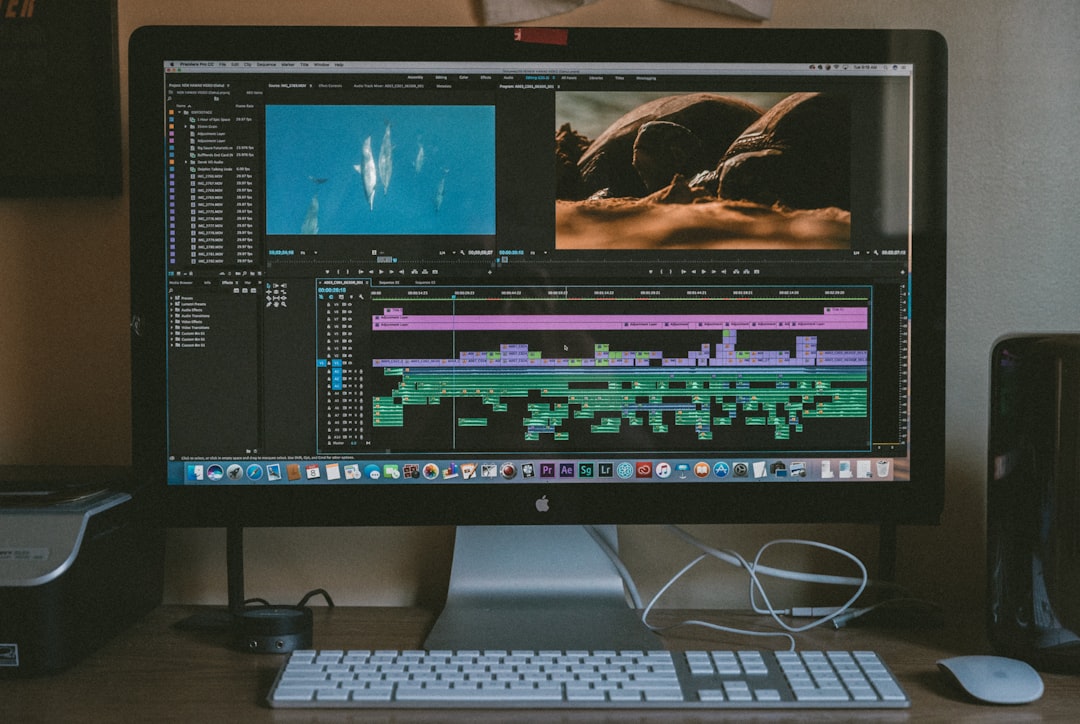
For studios and agencies already embedded within Creative Cloud, Adobe’s AI tools create a seamless extension rather than a separate production silo. Where Runway provides an all-in-one web experience, Adobe prioritizes modular AI enhancement inside established editing systems.
This makes Adobe particularly effective for:
- Corporate video departments
- Broadcast production houses
- Advertising agencies with layered editing pipelines
- Educational media teams
Limitation: Creative experimentation may feel constrained relative to specialized generative-first platforms.
4. Synthesia – AI Avatar Video for Scalable Communication
Synthesia takes a fundamentally different approach compared to Runway. Rather than focusing on cinematic AI generation, it specializes in AI-generated presenters and scalable corporate communication videos.
Its core strength lies in transforming scripts into professional videos featuring realistic digital avatars delivering the content in multiple languages.
Primary advantages:
- Over 120 language options
- Customizable AI avatars
- Enterprise integration with LMS and training systems
- Security and compliance readiness
Use cases are predominantly business-focused:
- Employee onboarding
- Product training
- Internal communications
- Customer education modules
Compared to Runway’s generative video emphasis, Synthesia prioritizes reliability, clarity, and scalability over stylistic creativity.
Limitation: Not suited for cinematic storytelling or artistic motion graphics.
5. Descript – AI-Driven Editing for Content Creators
Descript occupies a hybrid space between AI automation and traditional editing. Known for its transcription-based editing model, Descript allows users to edit video and audio by editing text transcripts.
While not a generative-first video platform like Runway, Descript provides powerful AI automation features that streamline post-production workflows.
Core capabilities:
- Text-based video editing
- Automatic filler word removal
- AI voice cloning
- Multi-track editing in a simplified interface
This platform is especially well-suited for:
- Podcasters
- YouTube creators
- Marketing teams producing recurring content
- Online educators
Limitation: Limited native support for high-end visual effects or cinematic generative sequences.
Comparison Chart
| Platform | Primary Strength | Best For | Enterprise Ready | Cinematic Quality |
|---|---|---|---|---|
| Pika Labs | High-quality AI video generation | Filmmakers and creative agencies | Moderate | High |
| Kaiber | Music-driven animation | Social media and musicians | Low to Moderate | Stylized |
| Adobe Firefly | Integrated AI editing tools | Studios and agencies | High | Professional |
| Synthesia | AI avatar communication | Corporate training | Very High | Functional |
| Descript | Text-based editing automation | Content creators | Moderate | Limited |
Key Considerations When Choosing a Platform
When evaluating alternatives to Runway, decision-makers should consider the following criteria:
- Creative Control: Does the platform allow deep prompt manipulation and stylistic adjustments?
- Collaboration: Are multi-user workflows supported?
- Storage and Asset Management: Can teams manage large-scale projects effectively?
- Licensing and Compliance: Is the output commercially safe?
- Integration: Does the tool integrate with existing workflows?
- Scalability: Can the system handle enterprise-level volume?
No single tool dominates across all categories. Instead, organizations must align platform strengths with operational priorities.
Final Thoughts
The motion graphics and AI video creation ecosystem is evolving rapidly. While Runway remains influential, it no longer operates without serious competition. Platforms such as Pika Labs and Kaiber push the boundaries of generative creativity, Adobe strengthens enterprise-grade integration, Synthesia leads in scalable corporate communication, and Descript optimizes AI-powered editing efficiency.
For small creative teams, flexibility and stylistic freedom may hold the highest value. For enterprises, integration, compliance, and scalability will weigh more heavily. Ultimately, selecting a Runway competitor should involve careful analysis of long-term creative objectives, not just short-term novelty.
The next generation of visual storytelling tools will likely combine high-fidelity generation, granular editing, and operational automation into unified systems. Until then, these five platforms represent the most credible and strategic alternatives currently shaping the AI-driven video production landscape.